Navigating Conversations on Systemic Racism and Safety
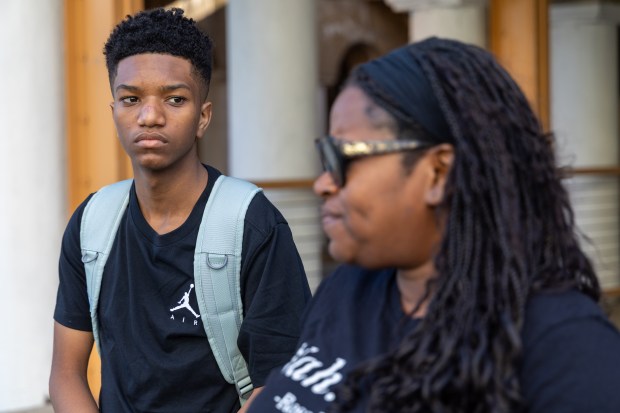
As students adjust to the new school year, parents accompany them, offering support and guidance. This period brings challenges, similar to a complex decision-making scenario, where one wrong move can have significant consequences. A key conversation during this time is ‘the talk’ about systemic racism, a discussion Black and brown parents have had for generations with their children to prepare them against racial profiling and its potential dangers.
Joy Sapp, a Chatham resident, recalls discussing this with her sons Robert and Elliott when they were young. Parents like Sapp now revisit these talks, sometimes including their children’s friends, to ensure they remain safe and aware of biases.
The discussions have gained urgency following the death of Nolan Wells, an incident that raised questions about racial implications. Wells, a Black teen, went missing after a trip to an uninhabited island with white friends. His body was discovered days later. Law enforcement’s quick dismissal of foul play and a grand jury’s decision not to indict anyone further deepened concerns.
Langston Golden’s recent experience illustrates the importance of ‘the talk.’ His interaction with law enforcement at a bus stop on the South Side led to him reflecting on what his parents taught him: maintaining distance and ensuring a parent is present during conversations with officers. His mother’s concerns about impersonators highlighted the importance of these lessons.
Proactive strategies are beneficial in reducing race-related stress, according to Riana Elyse Anderson, a psychologist who heads RACE Space Inc. She notes the complexity of cases like Wells’ and emphasizes the need for youth to manage their reactions more effectively.
Jamie Nesbitt Golden, Langston’s mother, works to address such incidents by encouraging open dialogue with her son. Programs like TMH Mancave offer mental health support, discussing cases like Wells’ to improve resilience among young Black men.
During high-stress interactions, the teachings of ‘the talk’ might not always translate into action. However, such discussions aid in better psychological regulation, according to Anderson. Sapp and Nesbitt Golden agree that these conversations must continue as their children grow older, helping them navigate not only police interactions but other precarious situations as well.
Anderson suggests that initiating ‘the talk’ can start early, using relatable concepts like the preference in choosing candy to introduce discrimination. Programs exist to guide families in discussing their feelings and ensuring children know they’re supported.