Brazilians Vote in Crucial Presidential Election Amid Political Divide
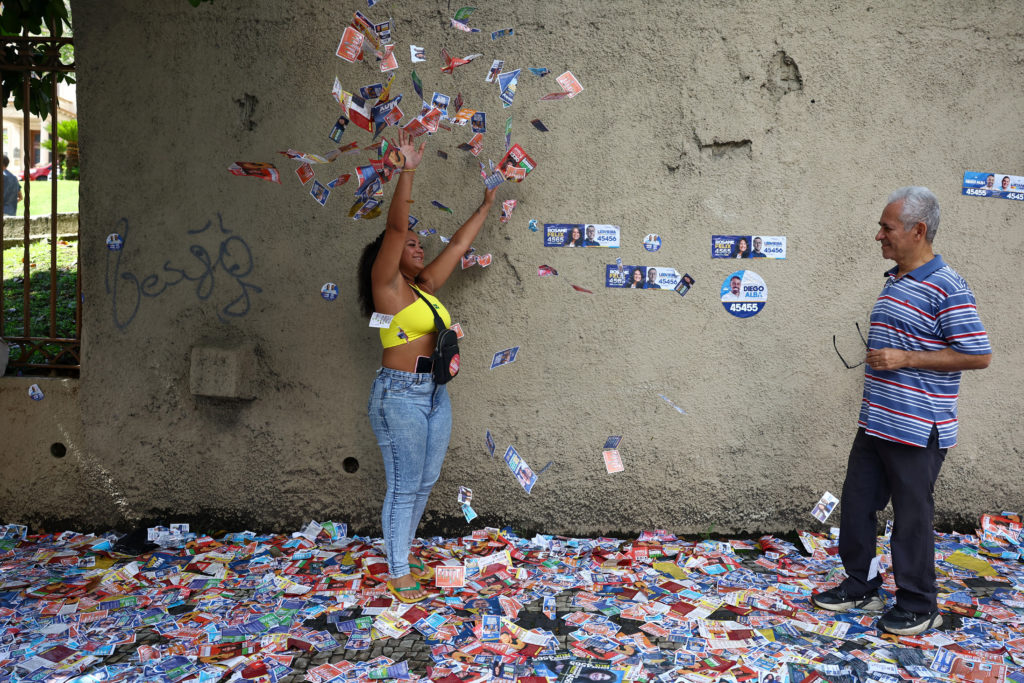
Brazilians took to the polls on Sunday to vote in a pivotal presidential election. The contest is between incumbent Luiz Inácio Lula da Silva and Sen. Flávio Bolsonaro, representing opposing political ideologies. If no candidate secures more than 50% of the vote, the two leading candidates will face a runoff on October 25. A total of ten other candidates are expected to collect fewer votes.
Lula, at 80, is one of the oldest heads of state and is running in his seventh presidential election. Flávio Bolsonaro, 45, is the son of former President Jair Bolsonaro and a supporter of U.S. President Donald Trump. Approximately 159 million Brazilians are eligible to vote in this significant political event.
Competing Alliances
Flávio Bolsonaro has emphasized his alliance with Trump, arguing for improved deals with the U.S., including in the rare minerals sector. Brazil reportedly holds up to 21 million tons of such minerals, placing it just behind China in reserves. Lula, on the other hand, often criticizes U.S. intervention in Brazil, particularly after Trump’s administration imposed tariffs on Brazilian exports and sanctioned a Supreme Court justice involved in prosecuting Jair Bolsonaro.
In addition to the presidential race, Brazilians voted for 27 state governors, state legislature members, 513 members of the lower house, and 54 of the 81 senators.
Voter Perspectives
Rosane Wink, a retired engineer, supports Bolsonaro due to his promise to label criminal groups as terrorists. Her decision stems from personal experiences with crime. Maria Ribeiro, a cell phone vendor, supports Bolsonaro because of his stance on religious freedoms. Conversely, Rosangela Resende da Rocha backs Lula for his social policies that benefit the less fortunate.
Even abroad, Lula gains support for his social programs. Catia Oliveira, a Brazilian residing in Portugal, voted for Lula, emphasizing the need for health, education, housing, and food programs.
Election Uncertainties
Political consultant Thomas Traumann highlights that last-minute mistakes by candidates may sway undecided voters. The election is characterized by fierce polarization, with accusations overshadowing policy debates.
Four years ago, Lula narrowly defeated Jair Bolsonaro by a margin of 2.1 million votes. At that time, issues such as pandemic handling, threats to democracy, and economic challenges influenced voter sentiment.
Now, Lula faces challenges related to a corruption scandal involving the justice leading the investigation into Bolsonaro. Political science professor Carlos Melo notes that Lula’s campaign did not anticipate such a tough election, and worries loom about future elections without Lula.
Bolsonaro faces corruption allegations, including transactions with a disgraced banker. He faces criticism from Roman Catholics concerned about excessive concessions to evangelicals.
Associated Press writers Eléonore Hughes, Anna-Catherine Brigida, and Helena Alves contributed to this report.