Trump’s Influence on Latin American Politics: A Complex Relationship
President Donald Trump has demonstrated strong inclinations toward supporting right-wing candidates in Latin America. Over the past year and a half, seven presidential elections have seen victories for conservative leaders in a region often regarded by Washington as its strategic backyard.
One notable example is Honduras, where Trump clearly signaled a potential cutoff of U.S. aid to influence the election’s outcome in his favor. Similarly, in Argentina, Trump offered incentives like a $20 billion currency swap, aiming to bolster Argentine President Javier Milei’s political standing.
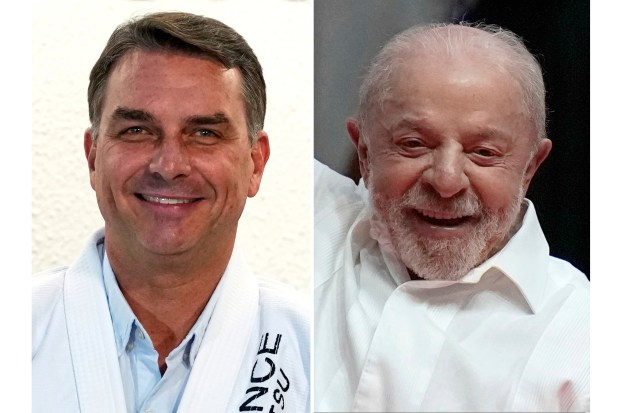
Success in Brazil, the region’s largest economy, would further solidify Trump’s influence. Flávio Bolsonaro, son of Jair Bolsonaro, leads with 47.03% of the votes compared to Brazilian President Luiz Inácio Lula da Silva’s 45.16%. With a second round scheduled, Bolsonaro garners support from right-leaning candidates.
The U.S.-Brazil relationship has faced challenges, notably during Jair Bolsonaro’s presidency. Issues included Amazon destruction, divisive rhetoric, and increasing China ties. In contrast, Trump’s interactions with Lula have been strained due to differing national priorities and leadership styles.
For Trump, maintaining U.S. leadership in the Western Hemisphere aligns with his foreign policy objectives. Lula, however, advocates for Brazil’s autonomy and multi-alignment globally, reducing dependence on any single nation.
In July 2025, Trump’s imposition of 40% tariffs on Brazilian products intended as a penal measure for Jair Bolsonaro’s prosecution. These tariffs eventually led Brazil to enhance trade with China, and Trump later eased some tariffs on food products to address rising grocery costs.
Tensions arose as Brazil’s election season unfolded. In May, after meeting Flávio Bolsonaro, Trump labeled major Brazilian criminal groups as terrorist organizations. July saw the imposition of more tariffs, and U.S. officials planned to discuss election integrity in Brazil, igniting concerns about interference.
Despite not explicitly endorsing Flávio Bolsonaro, Trump’s preference for a younger, right-wing leader over Lula is apparent. Bolsonaro’s promised policies, including alignment with U.S. anti-cartel efforts, resonate with Trump’s administration.
Yet, while Trump anticipates a cooperative Brazilian leadership akin to Venezuela’s Delcy Rodríguez, Brazil’s president wields significant influence, potentially challenging U.S. directives.
Regardless of the election outcome, Trump’s expectations may remain unfulfilled as Brazil’s leadership navigates its position on the international stage.
Daniel DePetris is affiliated with Defense Priorities and contributes columns on foreign affairs for the Tribune. Readers can submit letters to the editor, limited to 400 words, via email at [email protected].