Former FBI Agent Discusses Ransom Notes Involving Missing Nancy Guthrie
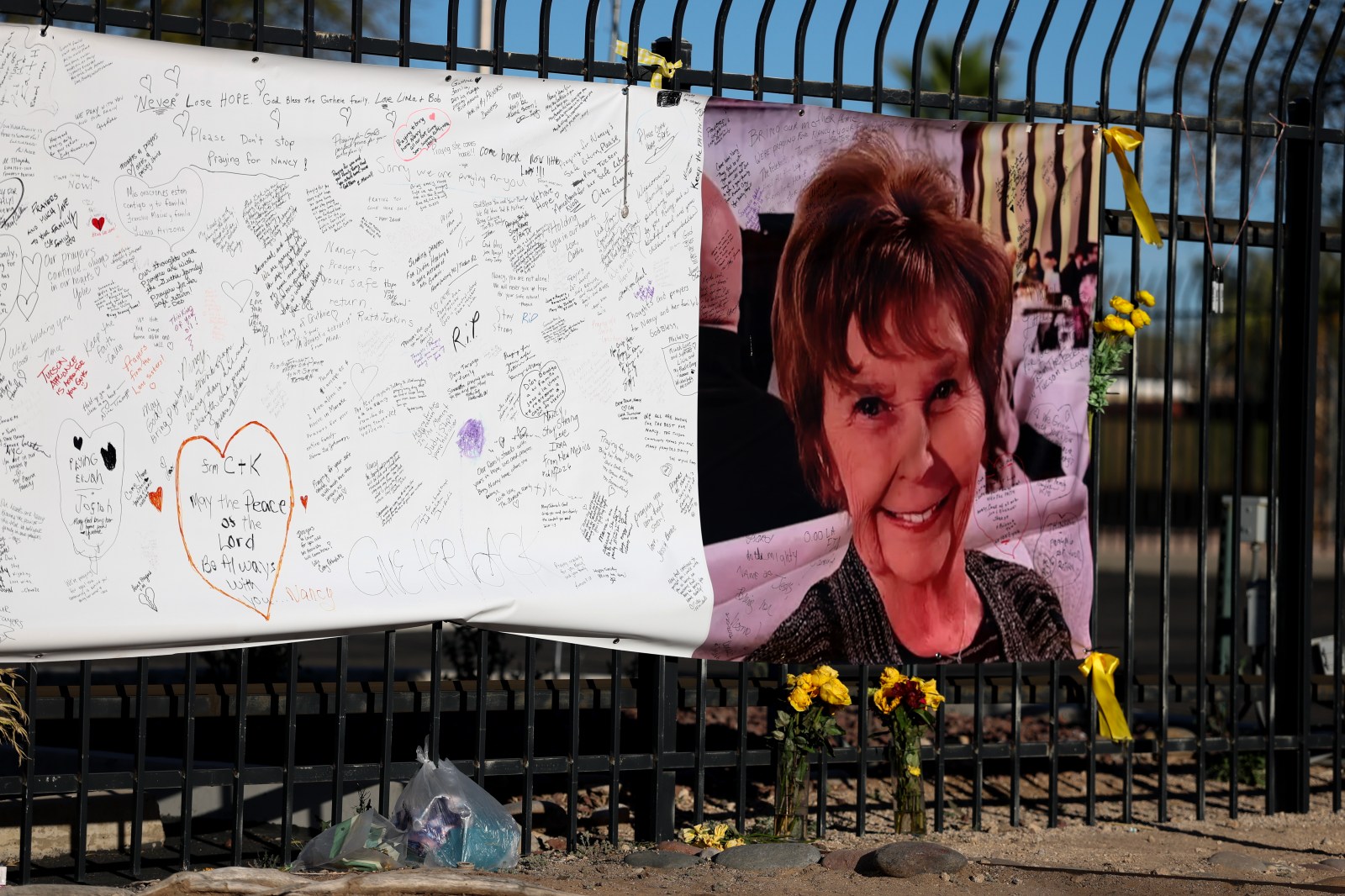
Former FBI agent Jennifer Coffindaffer has disclosed to Newsweek her receipt of four ransom notes related to Nancy Guthrie’s disappearance in April. She believes scammers sent these messages to exploit the case’s high public interest.
Scam Attempts through Ransom Notes
Coffindaffer received four emails over two days demanding bitcoin payment for Guthrie’s release, along with an AI-generated image resembling Guthrie. “I never responded,” she said to Newsweek. Instead, she immediately reported the communications to the FBI.
The emails targeted her private email, which few people know. It’s suspected that the same scammers also contacted Guthrie’s neighbor, Lauren Serpa, in late September. The Pima County Sheriff’s Department investigated Serpa’s ransom demand and deemed it “not credible.” They urge the public not to send money or share personal information when receiving such communications and to report them to law enforcement.
Guthrie, aged 84 and mother of Savannah Guthrie, was last seen on January 31 in the Catalina Foothills near Tucson, Arizona. Authorities reported drops of Guthrie’s blood near her doorstep and released surveillance footage showing a masked individual, now a suspect, outside her home. Despite nationwide attention, authorities have not identified a suspect.
Details of the Ransom Notes
Coffindaffer shared that the first email arrived on April 10 at 12:30 p.m., featuring only the AI image of Guthrie. Shortly after, another email demanded 25 bitcoins for her release, citing a Bible verse and containing the same AI image.
No one sees Mrs Nancy Guthrie without me, I need 25 BTC to bring Mrs Nancy Guthrie back home within 12 hours, she’s alive.
She recognized similarities between these images and those sent to Serpa. By April 10 at 3:52 p.m., another email reiterated the demand. The fourth email arrived the next morning with a reduced demand of 2 bitcoins and included a QR code for a bitcoin wallet.
Shared discussions with Serpa suggested matching bitcoin addresses in their received notes. Newsweek has yet to verify these findings.
Targeting and Motives
Coffindaffer suspects she was targeted due to her public advice to Guthrie’s family to consider paying ransom notes to gather clues about the sender’s identity.
Earlier, she had advocated “tickling the wire,” a federal tactic to elicit responses from criminals. Newsweek’s April interview with Coffindaffer explored how this tactic might help identify suspects.
Coffindaffer consistently doubted the scammers’ connection to Guthrie’s disappearance, terming them “extortionists.” A California man’s probation sentence for sending fake ransom notes to Guthrie’s family sets a concerning precedent, she added.
She warned others against responding to such messages, urging immediate FBI contact.
Previous Ransom Incidents
In July, as six months passed since Guthrie’s disappearance, authorities shared two earlier ransom notes in the hope of recognition. The first, sent on February 2 to a Tucson station, demanded $4 million in bitcoin and threatened Guthrie’s life, revealing detailed knowledge of her home. The second note, sent to the family, claimed Guthrie died shortly after her abduction.
Although the FBI’s Phoenix office determined some ransom notes to be scams, they continue investigating potentially credible demands.