British Airways Flight Experiences Altitude Change and Emergency Landing
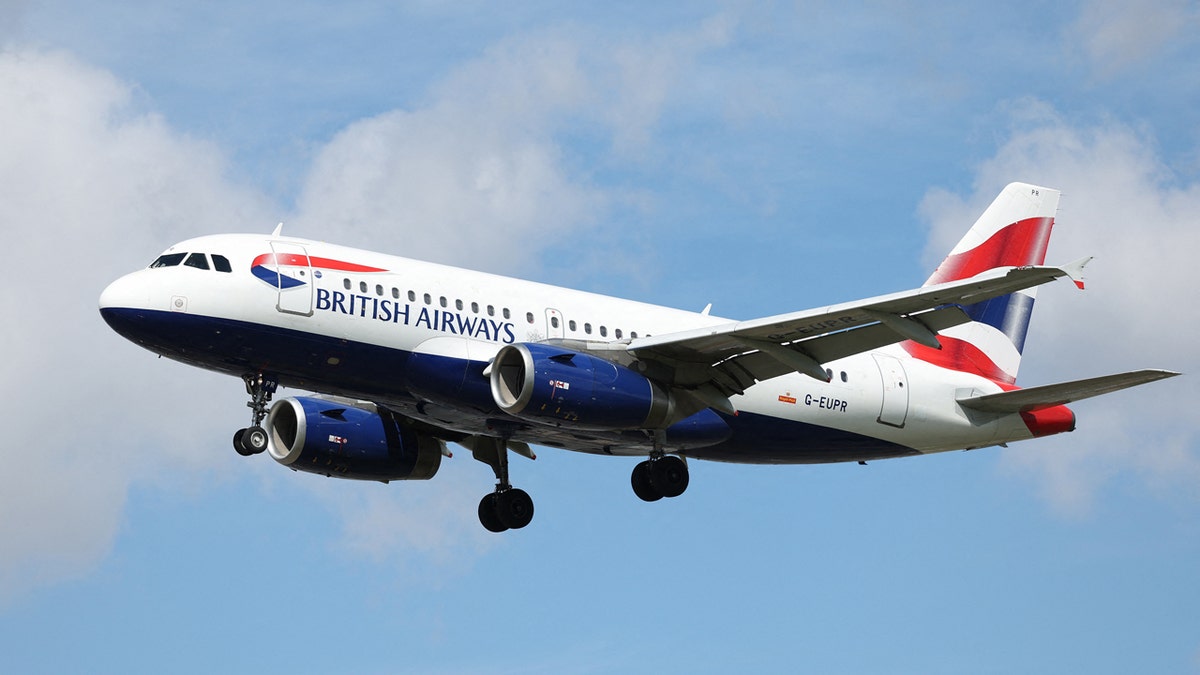
A British Airways flight from London to Chicago underwent a dramatic altitude change shortly after departure. The Boeing 777, aimed at the U.S., descended approximately 27,000 feet to reach an altitude of around 9,000 feet, as reported.
According to a British Airways representative, the aircraft returned to Heathrow due to a technical issue. “The safety of our customers and crew is always our top priority, and the aircraft landed safely after our highly-trained pilots returned to Heathrow following a technical issue,” the spokesperson noted.
Passengers left the plane normally and the airline worked to adjust their travel plans swiftly. FlightAware, a flight-tracking platform, documented the aircraft turning back towards London, maintaining flight for several hours before finally returning to Heathrow.
“They did everything by the book,” said Matthew “Whiz” Buckley, a retired U.S. Navy F/A-18 fighter pilot. “It sounds like everything worked as advertised.”
Buckley noted that an emergency descent strategy to address a pressurization problem could involve reducing the altitude below 10,000 feet. This avoids the need for supplemental oxygen if cabin pressure fails. Despite protocols working correctly, Buckley recognized such descents can be nerve-wracking, especially if oxygen masks deploy.
The prolonged circling post-turning back also elicited questions on the delayed landing. Buckley explained that planes at the start of a transatlantic flight carry ample fuel, which might need lowering before landing. If offloading fuel isn’t possible, continuing to circle while burning fuel ensures safe weight for landing.
Buckley clarified that landing with excess weight stresses the aircraft’s landing gear and brakes. Pilots assess the situation to find the safest action without compounding the initial emergency.