Plague Death in Russia Sparks International Concern
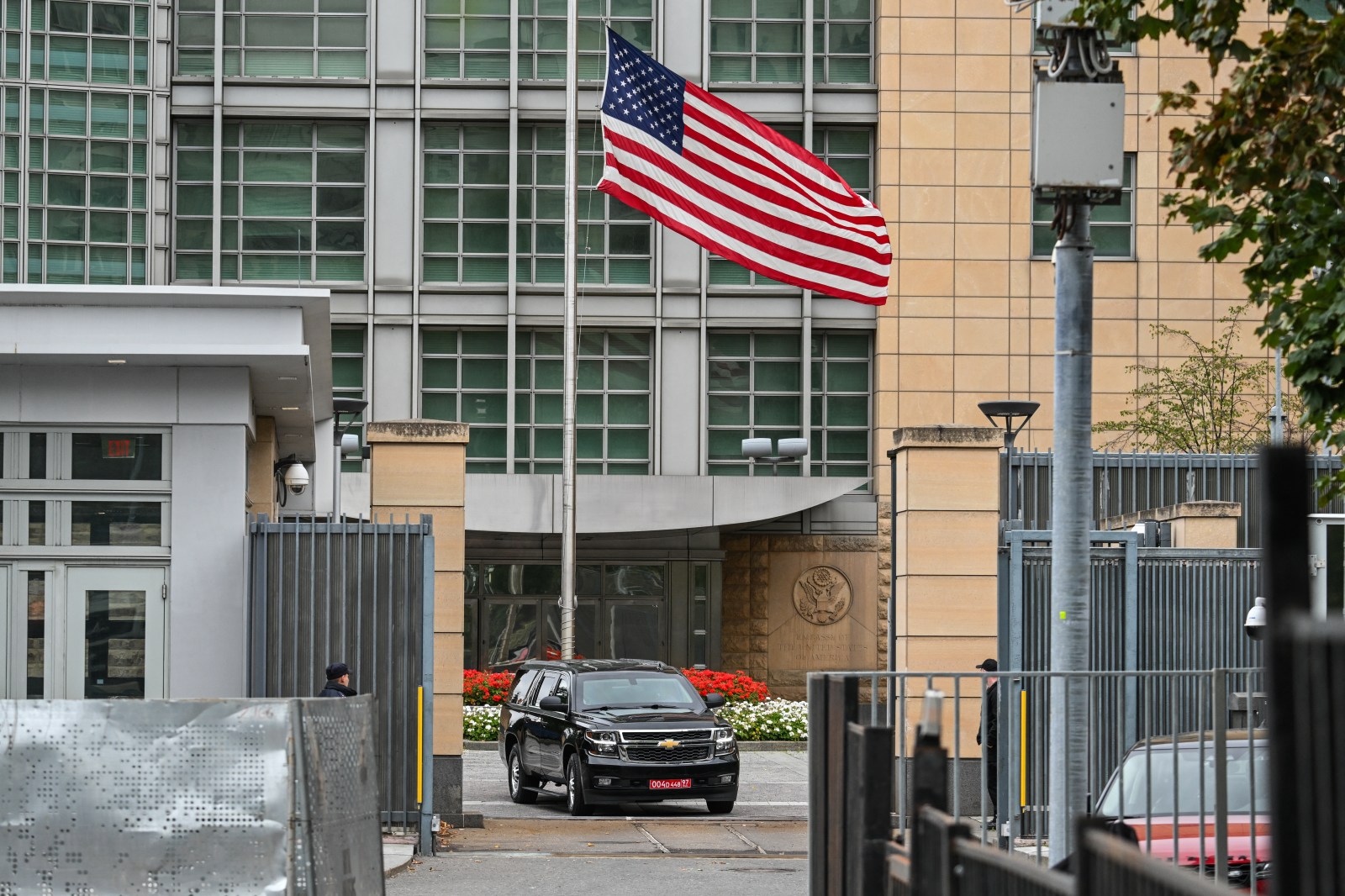
The U.S. Embassy in Russia is closely monitoring press reports about a suspected case of pneumonic plague and related quarantine actions in the Irkutsk region. The embassy clarified on Tuesday that this does not alter the existing State Department’s Level 4 advisory, which strongly advises against traveling to Russia because of issues like terrorism and security threats.
The advisory, posted on December 29, 2025, mentions the risk of terrorism, unrest, and wrongful detention. It also highlights the limited capacity of the U.S. government to assist its citizens in Russia, particularly outside of Moscow.
Recent reports linked Daria Shipilova’s death to pneumonic plague, which impacts the lungs and can spread through respiratory particles. The World Health Organization (WHO) stated that while pneumonic plague can be fatal without prompt treatment, it is effectively treated with common antibiotics.
The WHO assessed the public health risk as ‘moderate to low’ for Irkutsk and ‘low’ for the rest of Russia. They mentioned that these assessments could change as new information comes in.
U.S. Embassy Update
The U.S. Embassy remains alert to developments, as stated by the State Department’s TravelGov account on social media. It emphasized ongoing observation of reports concerning quarantine measures and hospital closures in Irkutsk.
The advisory remains at Level 4, indicating no change in U.S. travel guidance. U.S. citizens in Russia are advised to leave immediately due to safety concerns and the potential for wrongful detention.
WHO and Expert Insights
The WHO reported that Russian authorities responded to their inquiries, indicating no plague case was recorded in Irkutsk. They tested Shipilova’s contacts and detected no dangerous pathogens.
Dr. Amesh Adalja from the Johns Hopkins Center for Health Security criticized the scale of the Russian response, suggesting it was disproportionate. He stated that plague is a treatable disease, and preventive antibiotics are typically given in such settings.
About Daria Shipilova
Daria Shipilova worked at the Irkutsk Anti-Plague Institute as a laboratory technician. Russian authorities reported her death as due to pneumonia of undetermined origin. No microorganisms related to her work were found in her body, according to Russia’s health watchdog.
The items surrounding a possible lab accident have not been confirmed. The WHO stated the institute handles pathogens like plague, common in the region’s wildlife.
Biosecurity Concerns and Responses
Some experts, like Dr. Adalja, raise questions over the extensive containment measures if the illness wasn’t plague. He highlighted the Soviet Union’s history with biological weapons, suggesting that anti-plague institutes might work with various pathogens.
Kevin Esvelt, an MIT professor, pointed out that locking down hospitals and deploying agents could indicate handling a transmissible biological agent. However, full details on the cause of Shipilova’s illness remain undisclosed.
The presence of agents and hospital closures mentioned in media reports have not been independently verified by the WHO or the U.S. Embassy. As the WHO continues to monitor, the risk outside of Irkutsk remains low, pending further investigations.