California’s Migration Patterns: A Generational Gap
Erika Lee, 30, transitioned from growing up in Diamond Bar and attending USC to starting a career in Southern California. She eventually shifted to the crypto sector and moved to San Francisco in February for a role at an artificial intelligence insurance startup. She expressed surprise at her fondness for San Francisco, seeing it as an opportunity in a thriving industry.
Lee exemplifies a generational difference in California’s demographic transition. Often, conversations about these shifts focus on the ‘California exodus’, where people leave the state for more affordable living, lower taxes, and a slower pace. But new data highlights that demographic changes, both within and beyond California, have seen people move to diverse locations based on age and perhaps income.
Boomers and Their Migration Choices
Boomers, for example, tend to relocate to places such as Arizona, Nevada, and Texas. In contrast, younger Californians find moving more challenging. When they do move, destinations like Oregon, Utah, and Colorado attract them.
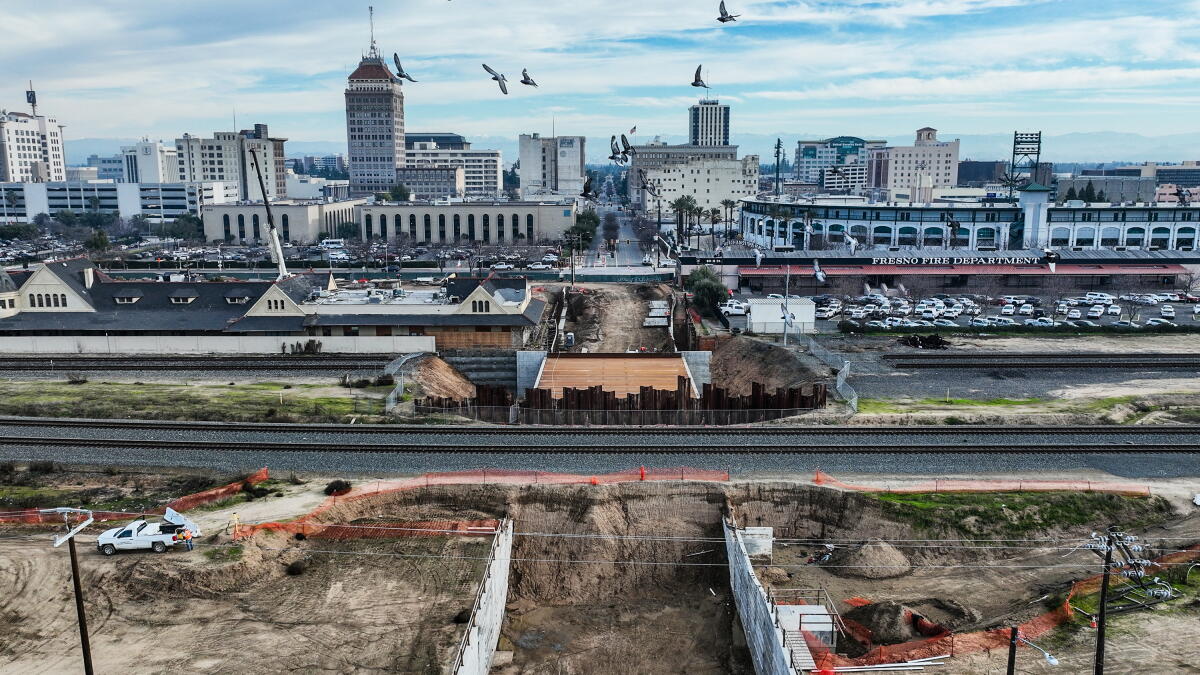
Fresno has emerged as a surprising choice for young Angelenos like Lee, drawn by the AI boom. While San Francisco remains a popular choice, Fresno offers a robust job market and significantly cheaper housing than coastal regions. Reports indicate a wave of relocation from the Bay Area and Los Angeles to Fresno since 2021, as noted by Fresno mayor Jerry Dyer. This trend began with families moving remotely, but now younger individuals have joined in, bringing the average age of residents to 31, below the state average.
“Cost of living is very affordable still,” said Mayor Dyer, noting an average home price of $400,000.
However, this influx has increased housing demand, outpacing supply and leading to concerns about decreased affordability for locals. Residents express concerns about newcomers bringing different political views to what Dyer describes as a moderately political city.
Online conversations reflect mixed sentiments from ex-Angelenos in Fresno. Despite fewer cultural attractions than Los Angeles, many find joy in the smaller city atmosphere and its attractive prices. One person shared their experience on Reddit, noting how they managed to purchase a home, which seemed impossible in Southern California due to the high costs.
The Generational Shift in Migration
U-Haul data highlights a generational gap in California’s migration patterns. While older residents increasingly leave the state, younger ones relocate within California, attempting to build futures there.
From June 2025 to June 2026, data showed that the places gaining the most new residents were Las Vegas, Palm Springs, and Arizona cities like Lake Havasu, Phoenix, and Prescott. Baby boomers, born between 1946 and 1965, largely moved to Arizona, Nevada, Texas, Oregon, and Utah. Gen Xers, born from 1965 to 1980, followed similar paths.
Millennials, those born between 1981 and 1996, often remained in California, picking different states if they left: Texas, Oregon, Tennessee, Colorado, and Utah. Popular Californian metro areas for millennials included San Francisco, Bakersfield, Sacramento, and Riverside.
For Gen Z, born from 1997 to 2012, preferred destinations aligned with millennials: Texas, Oregon, Washington, Nevada, and Arizona. Top metro areas for Gen Z included San Francisco, Fresno, Bakersfield, Houston, and Dallas.
An Angeleno’s Decision
Lee represents many young Angelenos who have chosen San Francisco. She acknowledges the influence of the AI industry in the Bay Area, affecting living costs. Although she prefers Los Angeles for its food and diversity, she is unsure if she can afford a home in San Francisco. Lee highlights the 9-9-6 work culture, where she works long hours but plans for this to be temporary. Her future in San Francisco remains uncertain, with family closer in consideration.
California: A Mixed Attraction
Nationally, California does not rank in the top 10 states for domestic movers among boomers and Gen Xers. For millennials, it ranks third behind Florida and Texas. For Gen Z, California stands as the second-most popular choice, trailing only Texas. San Francisco and Los Angeles are major attractions within the state for these groups.
Data from the state Department of Finance reveals that net domestic out-migration continues, with about 215,000 more people leaving than arriving from July 2024 to 2025. Although this gap peaked at 370,000 in 2021, it has increased from 2024’s figures. In Los Angeles County, nearly 100,000 more people left than arrived in 2025. However, San Francisco County’s net domestic migration nears zero, a trend consistent since 2023, as seen in Kern and Fresno counties.
California’s population has grown slightly over the last three years, yet it has not matched its pre-pandemic levels following significant outmigration from 2020 to 2022.