David E. Collins: Tylenol Crisis Leader and Business Visionary
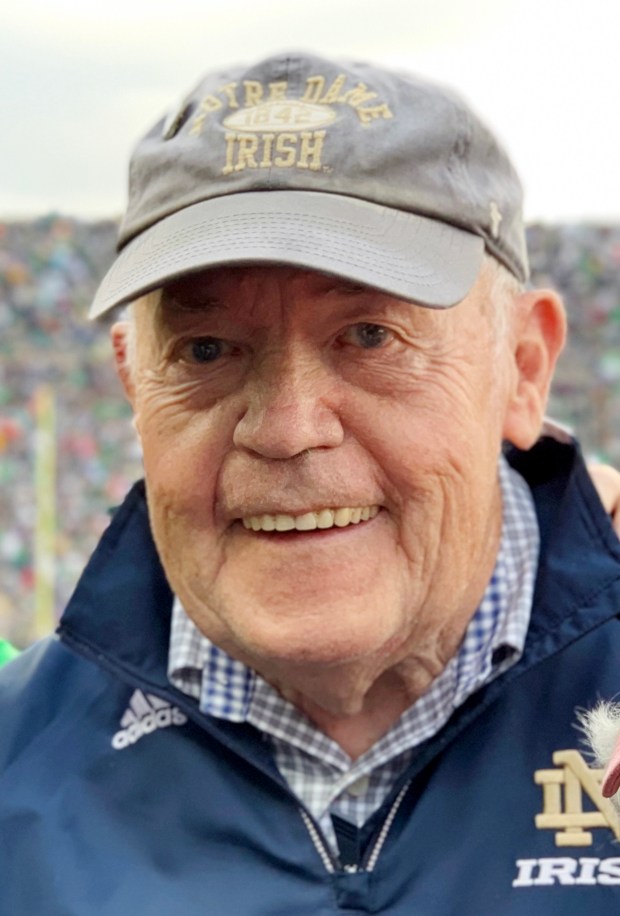
David E. Collins, a notable leader during the 1982 Tylenol crisis, passed away at 92 due to leukemia complications on September 22 at his Palm Desert, California home. His son Pat confirmed his death. Collins led Johnson & Johnson’s McNeil Consumer Products unit when Tylenol capsules were poisoned in the Chicago area, causing several deaths.
At the time, Chicago’s Mayor Jane Byrne considered banning Tylenol. Collins became the company’s spokesperson, working to manage the crisis and re-establish public trust in the brand. Under his leadership, Tylenol regained its market dominance, illustrating a model of effective crisis management.
Born in Oak Park in 1934, Collins graduated from Fenwick High School. He earned a bachelor’s degree from the University of Notre Dame in 1956 and a law degree from Harvard Law School in 1959. He began his career at Shearman & Sterling, a New York law firm. In 1962, he transitioned to Johnson & Johnson’s legal team. Over 16 years, he served as the corporate secretary, general counsel, and board member.
By 1978, Collins became president of McNeil Consumer Products. His roles expanded to include oversight of Latin American subsidiaries and, eventually, all consumer products as chairman. He pioneered Johnson & Johnson’s effort to manufacture codeine amid skepticism, succeeding in obtaining a DEA license.
“He was a natural leader,” said Roger Fine, a retired Johnson & Johnson general counsel hired by Collins. “He was smart, warm, and friendly.”
The Tylenol tampering crisis involved cyanide-laced capsules, leading to a historic recall and stricter packaging laws. Collins represented the company, expressing sympathy for victims and emphasizing commitment to safety improvements. He moved to Chicago to coordinate efforts at the crisis center. His collaboration with law enforcement was vital, as was communicating the need to work closely with those knowledgeable about the product.
In an NBC interview, Collins reassured employees and shareholders, emphasizing consumer confidence in Tylenol. He launched ads in Chicago highlighting new tamper-resistant packaging. By April 1983, sales nearly returned to pre-crisis levels. By fall 1983, Tylenol’s market share increased significantly.
In 1986, Collins was appointed vice chairman of public affairs at Johnson & Johnson, retiring in 1988. He later restructured Schering-Plough Healthcare before fully retiring in 1994. Collins shared his expertise in business education at top universities, including UC Davis and Dartmouth. He served on Align Technology’s board and contributed to the Notre Dame Law School Advisory Council.
Collins is survived by his wife Judy, children Pat, Paul, and Ann Cazalot, six grandchildren, brothers Chas and Eddie, and sister Penny. Services will be private.