Chinese Espionage Activities in the U.S. and Taiwan
Espionage is a global activity, but China’s approach stands out. Since 2017, Chinese citizens and organizations are legally required to assist in state intelligence work. China’s espionage tactics have evolved significantly since dismantling a CIA network over a decade ago. The focus now includes activities on American soil.
Espionage Tactics: Sex, Money, and Power
An FBI investigation in 2015 highlighted how these tools remain central to China’s espionage strategy. An example is Christine Fang. Operating under the alias ‘Fang Fang,’ she volunteered in multiple political campaigns in California, targeting influential politicians like former Congressman Eric Swalwell. Though her mission was unsuccessful, others continue similar endeavors.
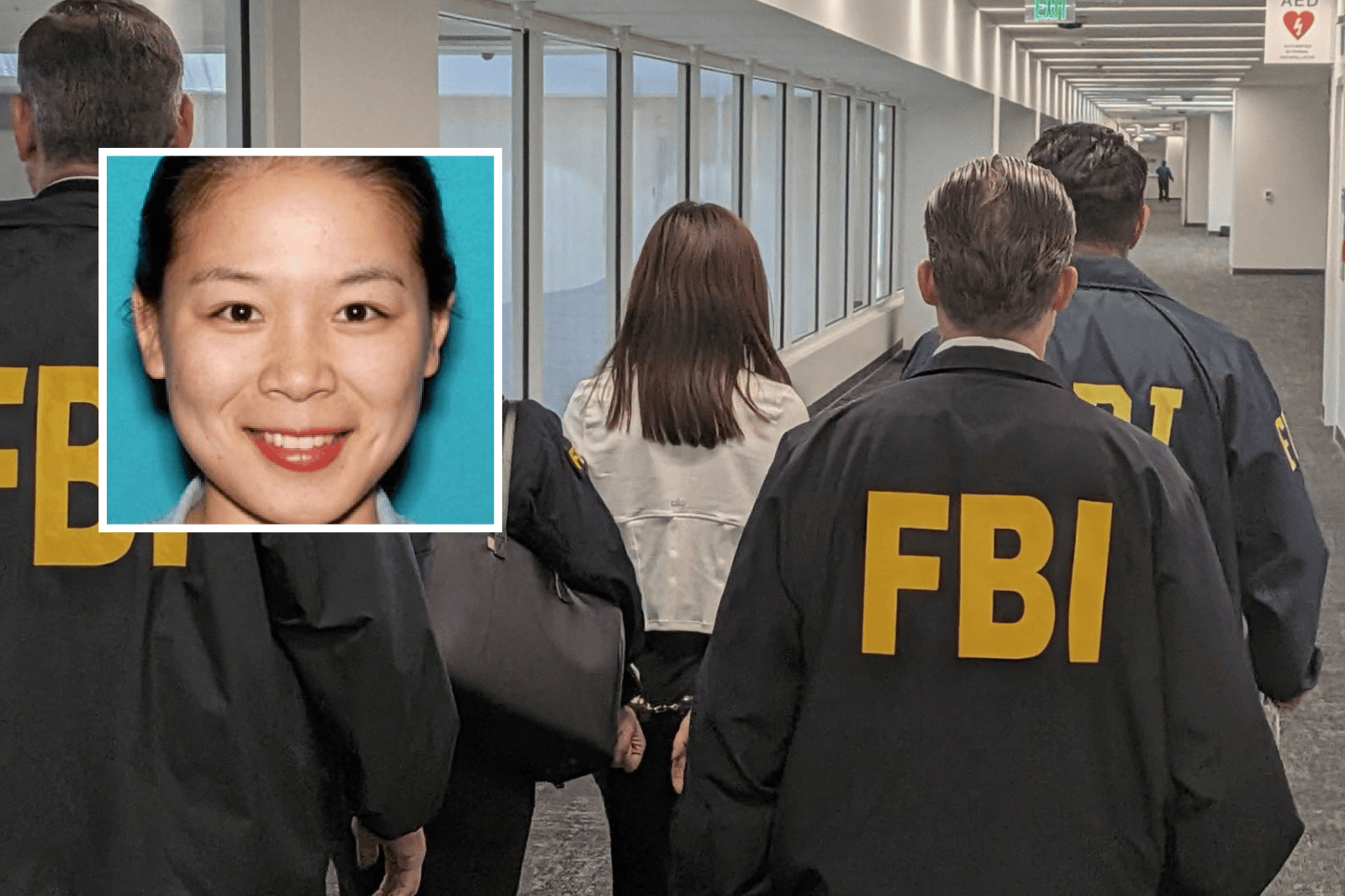
Recently, Wanying Zhang, also known as ‘Heather,’ was arrested while trying to leave for Shanghai from Los Angeles International Airport. Accused of working for the Chinese government without registration, Zhang is a naturalized U.S. citizen with ties to the same educational institution as Fang in China.
A Plot Against Taiwan’s Leader
FBI counterintelligence has linked Zhang to a plot targeting Taiwan’s president’s family. Roman Rozhavsky, a senior FBI official, described her as just a pawn in China’s larger schemes. The concern is a reflection of the Chinese state’s enticing offers and persuasive methods.
Zhang’s Background and Alleged Activities
Public records indicate Zhang is originally from Hunan, China, and previously appeared on a dating show. After moving to the U.S. in 2014, she earned a master’s degree in public administration. As a realtor, her sales record in Southern California is notable, though her client reviews are mixed.
Her connections to Chinese intelligence trace back to her studies at the University of International Relations in Beijing. This institution, founded after China’s Communist revolution by Zhou Enlai, is known for training Ministry of State Security (MSS) operatives. Agent Kevin Holt reported Zhang’s recruitment by a former classmate and subsequent tasking by the MSS.
On September 1, 2025, Zhang and an associate carried out surveillance on Taiwan President Lai Ching-te’s relatives in Seattle. They collected photos, videos, and other data, sharing them via WeChat. Security footage and electronic evidence from Zhang’s iCloud informed these allegations.
“Surveilling the family of a foreign leader on U.S. soil is unacceptable,” stated FBI Director Kash Patel post-arrest.
Legal Implications and Broader Context
Zhang is charged with breaching 18 U.S.C. § 951, acting as an unregistered foreign agent. Conviction could lead to a decade-long prison sentence. However, she is presumed innocent until proven guilty.
China has denied awareness of Zhang’s case. “China opposes framing China with the ‘Chinese spy’ narrative,” commented Foreign Ministry spokesperson Guo Jiakun.
This case should embarrass Beijing, but little indicates its concern. China’s approach remains bold, as seen with a surveillance balloon lost over the U.S. two years ago. Hybrid methods, using non-traditional tactics and deploying U.S.-based Chinese civil groups for influence work, continue.
Challenges and U.S. Response
The U.S. faces challenges in addressing these tactics, as they often do not meet strict espionage criteria. Nonetheless, they can entangle the legal system, advantageous for China.
Regarding Taiwan, China’s motivations are clear. It views the island as part of Chinese territory, intending to weaken its defenses and democracy over time. The loss of Taiwan would harm U.S. national interests.
“If the PRC sought leverage over Taiwan’s President during conflict, having details on his relatives could benefit China,” Holt noted in his complaint.
Surveilling a high-ranking official’s family isn’t standard diplomacy, particularly within U.S. borders. China’s espionage operations persist, though individual operatives like Fang Fang may fall, their replacements arise quickly.