Ohio’s Role in the Debate Over AI Data Centers
Ohio has become a key player in the debate over the expansion of data centers that support artificial intelligence (AI) in America. This November, voters across 17 jurisdictions in Ohio will address 20 ballot measures related to data centers. These measures represent more than half of the 34 data center initiatives appearing on ballots across the country, positioning Ohio at the forefront of discussions about the impact of these facilities on power, water, and local communities.
The ongoing debate is also influencing Ohio’s Senate race. President Donald Trump is advocating for the expansion of data centers, emphasizing their importance for the U.S. to maintain a competitive edge in the global AI race. Jon Husted, a Republican from Ohio, has sponsored the Ratepayer Protection Act, which aims to ensure that data centers pay for their power and infrastructure needs rather than relying on taxpayer funds. This legislation highlights the broader significance of these issues as the midterm elections approach.
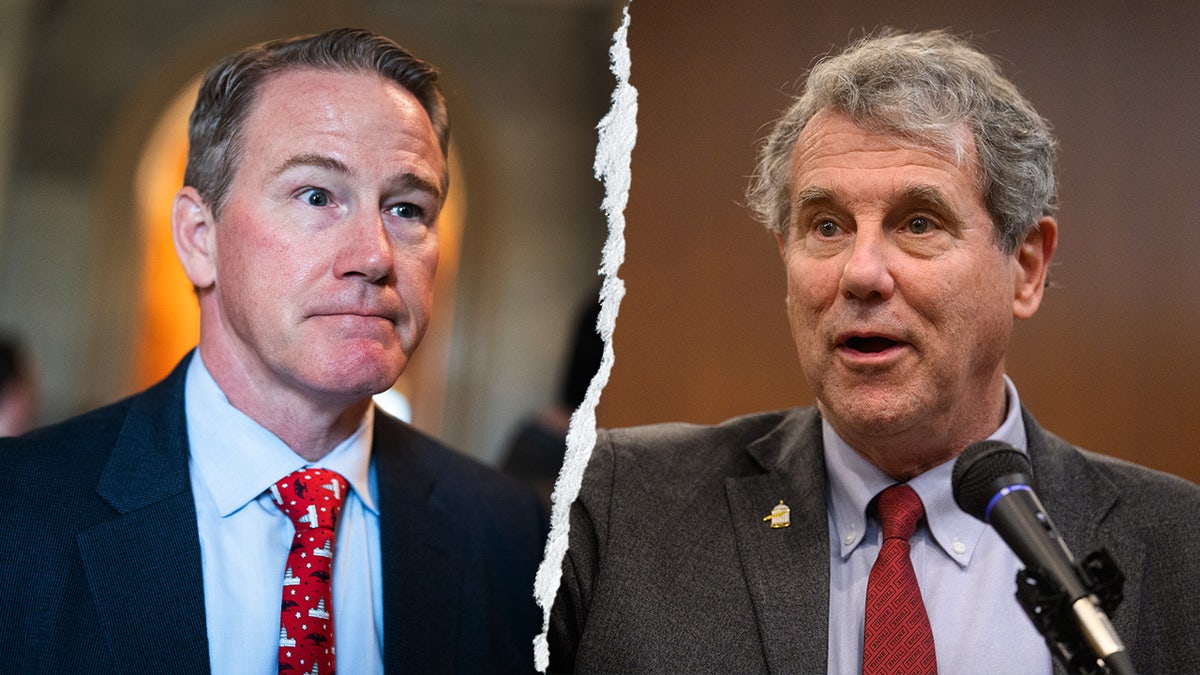
Ohio’s Senate race features incumbent Jon Husted and Democratic challenger Sherrod Brown, who previously served as a senator in Ohio from 2007 to 2025. Brown has criticized Husted regarding the development of data centers, with Trump supporting Husted’s perspective during his campaign efforts.
Nationwide, voters in states including California, Florida, Illinois, Kansas, Nevada, and Wisconsin will also decide on 34 data center-related ballot measures. As data centers become more central to AI developments, they are becoming significant political issues. A recent Fox News poll revealed that more than 70% of voters opposed building AI data centers in their areas, while 52% supported constructing them in remote locations. The poll found that 60% of voters viewed AI negatively, contrasting with 37% who had a positive view.
The survey also highlighted a partisan divide over AI and data centers. Those with favorable views of AI tended to be Republican, whereas those with unfavorable views were primarily Democratic. This division extends to the backing of data centers, with Republicans gaining more support from voters who favor them, while Democrats are more popular among those against them. This split mirrors broader debates in Washington and on the campaign trail regarding AI policy.
President Trump has resisted extensive federal regulation of the AI industry, stressing the importance of the U.S. staying ahead of China in the technology race. Meanwhile, in Texas, Republican Governor Greg Abbott has paused new data center permits pending an audit of their impact on the power grid and water supplies. Democratic challenger Gina Hinojosa has supported temporary moratoriums on data centers.
Texas’s Senate race sees Republican Attorney General Ken Paxton and Democratic state Representative James Talarico clashing over tax incentives for the industry. Amanda Macias covers business, economics, and politics, focusing on how policy decisions influence markets, businesses, and American workers.