From Radicalization to Counterterrorism: Mubin Shaikh’s Journey
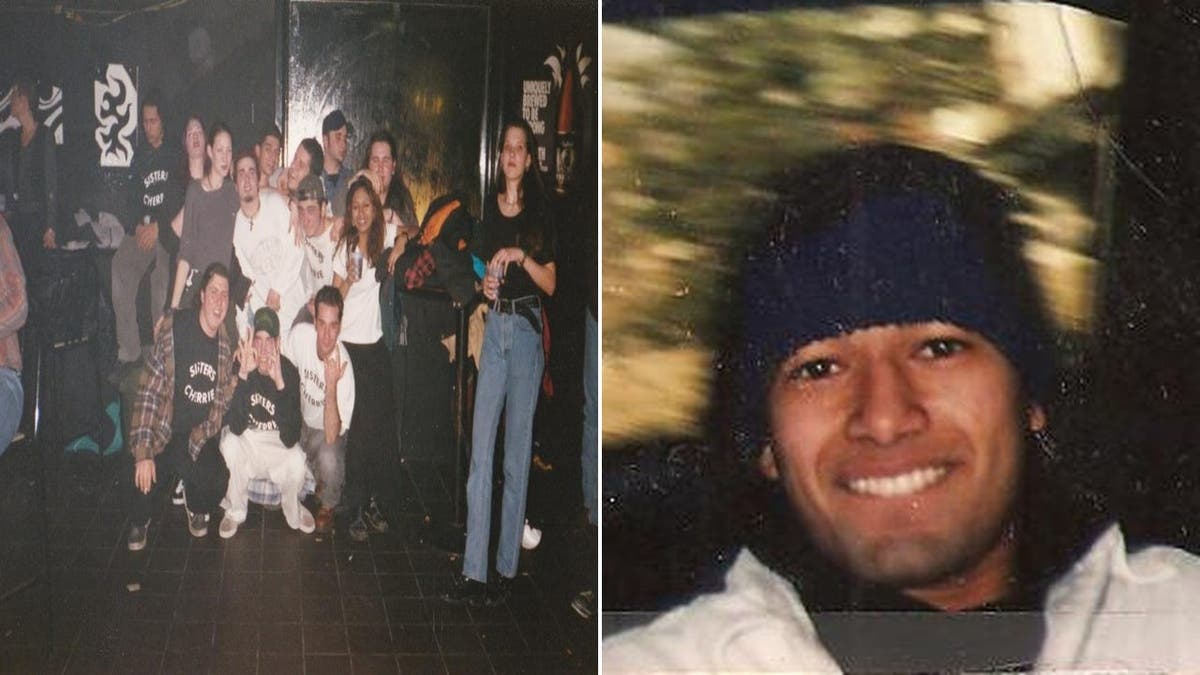
Mubin Shaikh, once drawn to extremist ideology by the Taliban, now works to counter terrorism in the United States and Canada. His transformation began after recognizing the signs of radicalization.
Understanding Radicalization
Shaikh explains that the ‘pathway to violence’ is a critical indicator of radicalization. This involves activities like reconnaissance on potential targets. Highlighting local synagogues or mosques as examples, Shaikh emphasizes the need for awareness among parents and educators to prevent future attacks.
Personal Journey
“My radicalization started after a house party, where my uncle’s comments drove me to seek religion,” Shaikh recalls.
His journey took him to India, Syria, and Pakistan, where the Taliban influenced him. In Quetta, a Taliban stronghold, Shaikh encountered members who promoted militancy as the path to success.
As a young man, he sought meaning and thought he found it in jihad. However, marriage led to a shift in perspective, as family life clashed with extremist views. He states, “The reality of having a family began to outweigh the abstract ideologies of extremism.”
Turning Point
The events of September 11, 2001, were pivotal in Shaikh’s de-radicalization. Motivated to learn more, he traveled to Syria to study Arabic and Islamic studies, beginning his journey away from extremism.
Upon his return to Canada, Shaikh learned of his former classmate Momin Khawaja’s arrest on terrorism charges. This prompted him to contact the Canadian Security Intelligence Service (CSIS), eventually leading to his role as an undercover operative in counterterrorism.
Combatting Extremism
In 2012, the US government engaged Shaikh to aid efforts against ISIS. Over the years, he has supported various operations targeting extremism. Now, as an exit peer specialist with Parents for Peace, Shaikh works to intervene with individuals, mostly juveniles, before radicalization takes hold.
Shaikh finds hope in the transformation of individuals who exit extremist ideologies. “Seeing people realize their path was a mistake and improving their lives is rewarding,” he states.
The restoration of family relationships is vital, bringing joy to parents who witness their children’s return. Shaikh reflects, “That’s what it’s all about.”