The Woolworth Building: Blending History with Modern Luxury
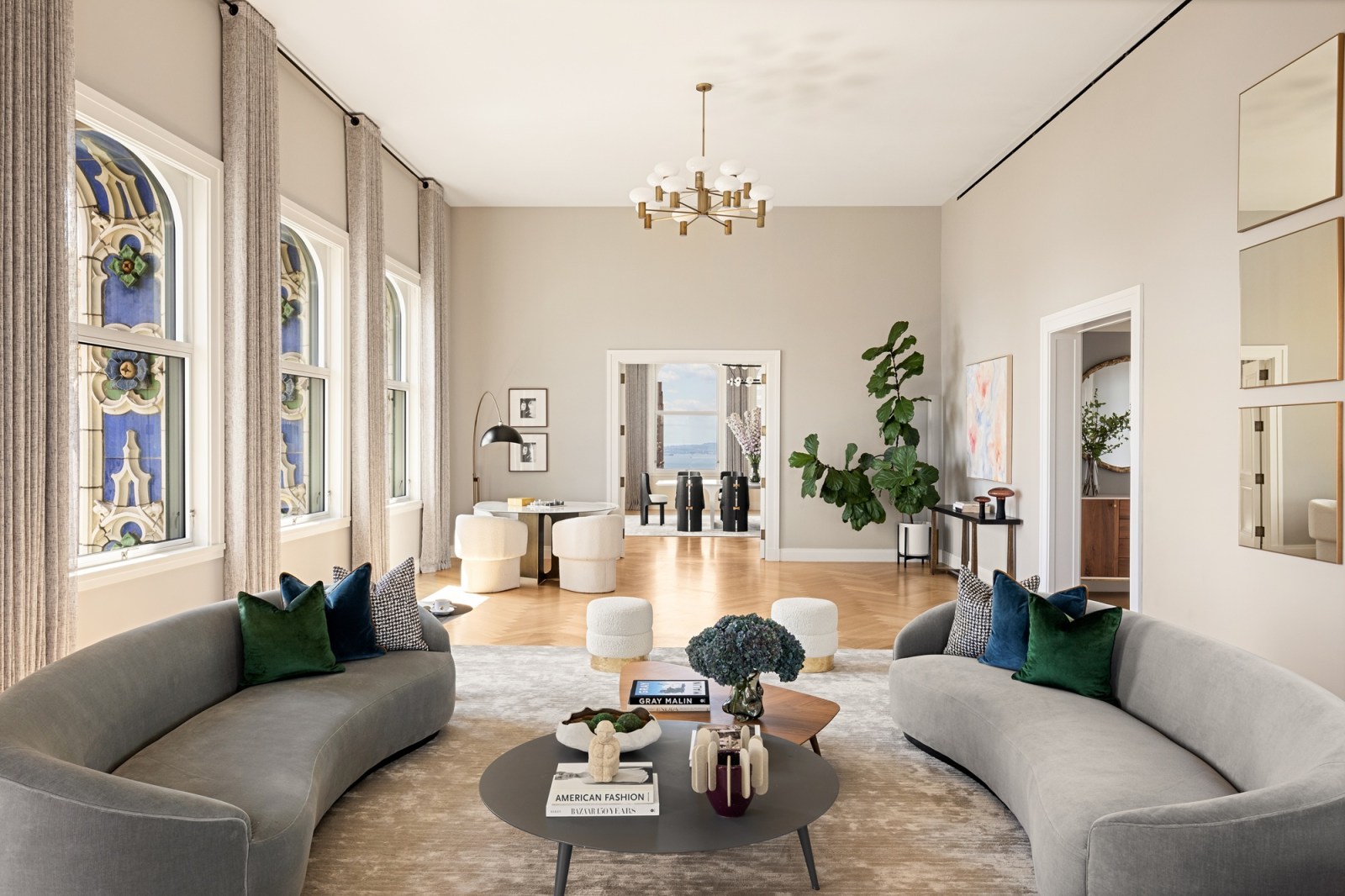
New Yorkers and others have an opportunity to own a historic piece of the city at the pinnacle of an iconic landmark, the Woolworth Building. Designed by Cass Gilbert, renowned for the U.S. Supreme Court Building, this Gothic-style skyscraper was completed in 1913. At the time, it was the world’s tallest building, standing at 792 feet, as noted by the Skyscraper Museum.
Located in Tribeca, Lower Manhattan, the Woolworth Building features luxury residences, including Residence 40 on its 40th floor, now available for $18.5 million. This space, formerly Frank W. Woolworth’s private office, has been transformed into a 4-bedroom home covering over 6,000 square feet, offering views from 516 feet above City Hall Park.
“What makes Residence 40 truly special is that it’s not just a spectacular apartment, it’s a piece of New York history.”
Residence 40 features unique elements. It is the only home in the building with 15-foot ceilings and original polychromatic terra-cotta detailing around the windows, according to Catherine Juracich, a lead real estate agent at The Corcoran Group. Michelle Griffith, a luxury real estate broker at Douglas Elliman, remarked on the cultural and architectural significance of the Woolworth Building.
A Trend in Adaptive Reuse
The sale of this residence aligns with a rise in converting historical buildings, especially in New York City. Notable projects include the conversion of the Flatiron Building and Brooklyn’s Hotel Bossert. In 2024, RentCafe reported nearly 25,000 apartments created from repurposed structures, a 50% increase from the previous year.
Gordon Gill, architect for the Jeddah Tower, noted the opportunity for innovation involves rethinking existing building stock. The American Institute of Architects highlighted nearly half of America’s 125 million buildings are over 50 years old, underscoring potential for reimagining these structures. Reusing buildings helps avoid 50 to 75 percent of the carbon emissions from new construction.
Demand for Historic Residences
Juracich notes an increasing interest in homes within historic properties, emphasizing character, provenance, and storytelling. Structures like the Woolworth and Flatiron Buildings offer detailed craftsmanship difficult to replicate today. Discerning buyers desire modern luxury combined with something unique and irreplaceable.
Architect Eric Robinson of RODE Architects similarly highlighted the appeal of historical conversions. He believes these projects integrate historical detail, creating warmth and character. RODE is currently repurposing an early-1900s building in Boston into 44 residences.
Location also plays a crucial role, as many historic structures reside in popular downtown areas with convenient access to amenities, as noted by Robinson. Cities like Boston are facilitating such conversions through easier permitting and tax incentives, encouraging developers to reimagine existing buildings.
Ultimately, these rehabilitated properties attract buyers seeking singularity and heritage, offering prestige that new builds lack. As Michelle Griffith expressed, these conversions allow ownership of part of a legend, weaving buyers into the broader narrative of iconic landmarks.