Nobel Peace Prize Discussion
Nobel Prize’s Intended Purpose
Alfred Nobel established the peace prize to honor those contributing most to global peace. Recently, awards have focused on international activists who resonate with political ideals of select committees.
The Case of Navi Pillay
Navi Pillay’s award exemplifies this trend. Pillay led a U.N. commission accusing Israel of genocide in Gaza. Her selection signals an endorsement of a U.N. culture critical of Israel.
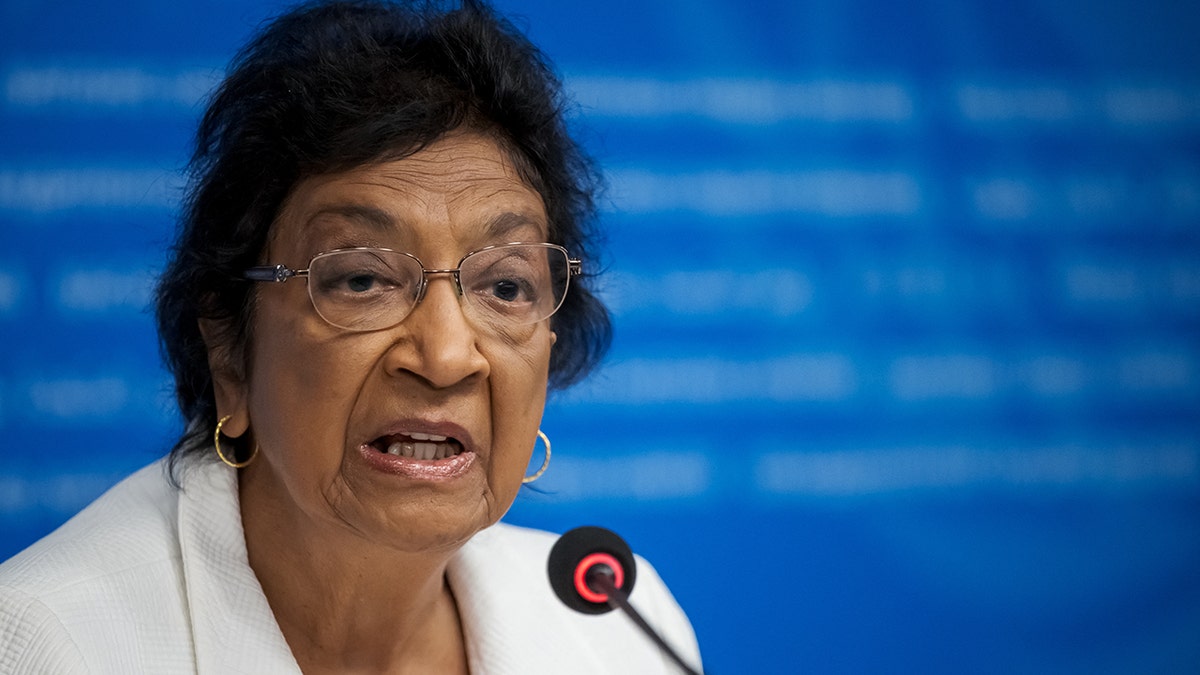
The Nobel Peace Prize awarded to UN jurist who accused Israel of committing genocide in Gaza.
While this accusation is widely debated, her record includes other controversial actions. In response to free speech incidents, like the bombing of Denmark’s embassy or the Charlie Hebdo attack, Pillay advocated for limiting free expression.
Questioning Pillay’s Record
In 2022, Pillay supported Miloon Kothari, a U.N. commissioner who apologized for anti-Israel comments. Furthermore, her reluctance to address human rights abuses in certain dictatorships raises concerns.
Examples include declining a Nobel ceremony for Liu Xiaobo, and remaining during Ahmadinejad’s antisemitic speech. Her leadership as U.N. human-rights chief showed selective attention to global issues.
Historical Decisions by the Nobel Committee
Criticism isn’t new. Historical selections point to inconsistent standards. For instance, Yasser Arafat received the prize despite violent actions and Al Gore was acknowledged for climate change efforts rather than direct peace achievements.
Instances like Barack Obama’s premature award question the prize’s alignment with Nobel’s original vision.
Real Achievements in Peace
The prize doesn’t always recognize substantial peace endeavors, such as the Abraham Accords. These agreements normalized relations between Israel and Arab states, establishing diplomacy and cooperation.
However, figures like Jared Kushner are unlikely to be recognized due to political biases. The Nobel Committee’s decisions reflect personal viewpoints rather than objective peace achievements.
Conclusion: Critique and Reform
The Nobel Peace Prize, administered by Norway’s parliament-appointed committee, often mirrors progressive preferences. The Stockholm-based Nobel Foundation can’t retrieve the prize, but the committee’s choices can be scrutinized.
This scrutiny questions the prize’s credibility when it fails to identify genuine peace architects. Nobel’s original aim deserves better adherence.
The prize’s current trajectory undermines its core ideals, warranting reevaluation by the global community.
Daniel Schatz, a political scientist and international affairs expert, critiques the committee’s practices and calls for greater accountability in their decisions.