Controversy Surrounds Proposed Livestreaming of Execution
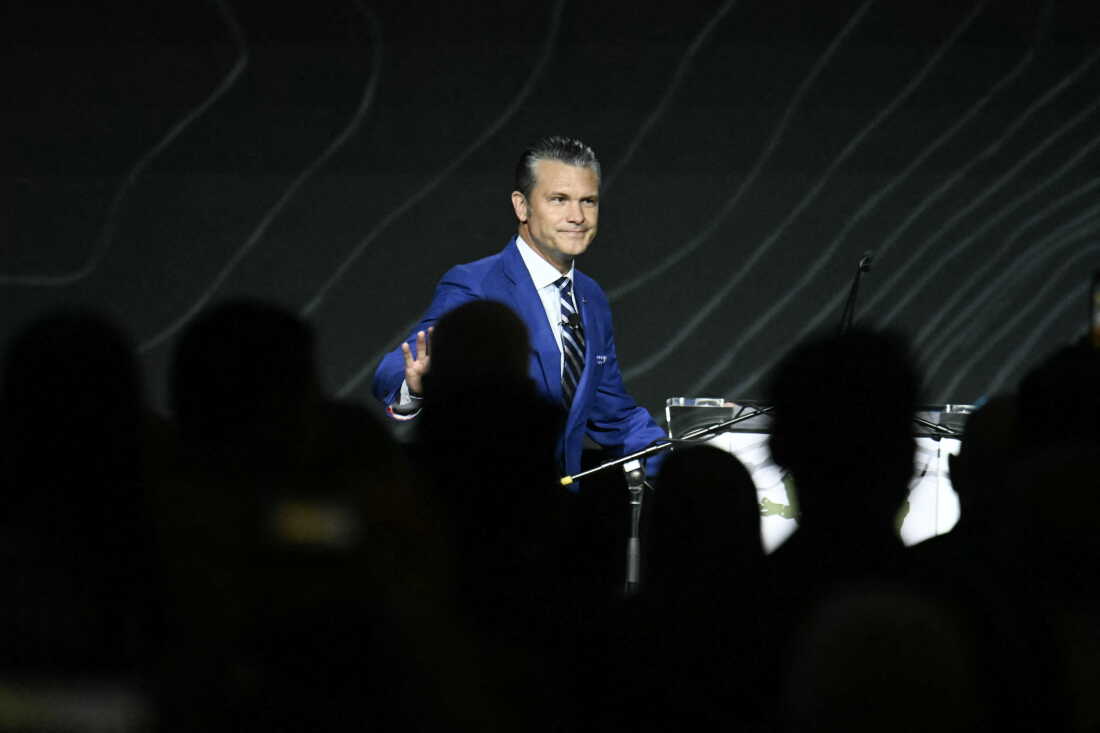
Secretary of Defense Pete Hegseth, speaking at the Association of the United States Army’s 2026 Annual Meeting in Washington, D.C., suggested the public execution of Nidal Hasan, responsible for the Fort Hood attack, might be livestreamed. The statement raised questions about both its implementation and the motive behind such a proposal. When asked about the possibility, President Trump expressed that the matter was under consideration, while Vice President JD Vance indicated he would not watch it.
“I think one of the most worrisome parts of this development is that … it pushes the boundaries of what’s acceptable,”
said Julie Ingersoll, a professor of religion at the University of North Florida. She emphasized the impact of discussing such actions openly. The last high-profile public execution by the U.S. government occurred 90 years ago. Hegseth argues that livestreaming Hasan’s death by firing squad could deter similar attacks in the future. Hasan, a former U.S. army major, killed 13 and injured 32 at Fort Hood in 2009. His execution is scheduled for December 3.
Ingersoll, along with other scholars, links Hegseth’s religious beliefs to his radical ideas. As a member of the Communion of Reformed Evangelical Churches (CREC), Hegseth affiliates with a group that supports Christian Nationalism. This group advocates for a religiously governed America and holds extreme views on social issues. Matthew Taylor, a scholar at Georgetown University, criticizes Hegseth’s endeavor to implement these beliefs within the military.
The CREC shows strong support for the death penalty. Ingersoll notes that this group’s interpretation of Biblical laws still supports execution as punishment. Within Hegseth’s church, execution aligns with their understanding of justice. Joshua Salaam, president of the Association of Muslim Chaplains, questions why Hasan appears to be singled out for public execution. He suggests religious bias might be a factor.
Hegseth’s focus on religious and historical conflicts, particularly between Western Christendom and Islam, points to his motivations. His tattoos, featuring symbols like the Jerusalem Cross and phrases like “Deus Vult,” reveal his worldview. Ingersoll describes the CREC’s ideal of a medieval Christian society, advocating dominionism, where Christians assert religious control over society. This conflicts with democratic principles in the U.S.
“What Hegseth is trying to do is consolidate the military around a particular ideology – an ideology of Christian nationalism, an ideology of Christian supremacy, an ideology of Western supremacy,”
Taylor stated, highlighting potential dangers. The concept of public executions resonates with some right-wing circles. The late activist Charlie Kirk supported public executions in a podcast, suggesting corporate sponsorship.
The debate surrounding Hasan’s execution reflects an attempt to normalize extreme ideas. While the Pentagon has not responded to inquiries, the suggestion has sparked debate. Taylor warns of the dangers when individuals like Hegseth pursue extremist goals within powerful positions. He notes this could alter American and military culture significantly.
Salaam urges reflection on how public executions impact societal morals. “It does something to all of us to have to watch something like that publicly,” he said, questioning the normalcy of promoting such events for public consumption.