Salvadoran President Proposes Early Release Plan Amid Criticism
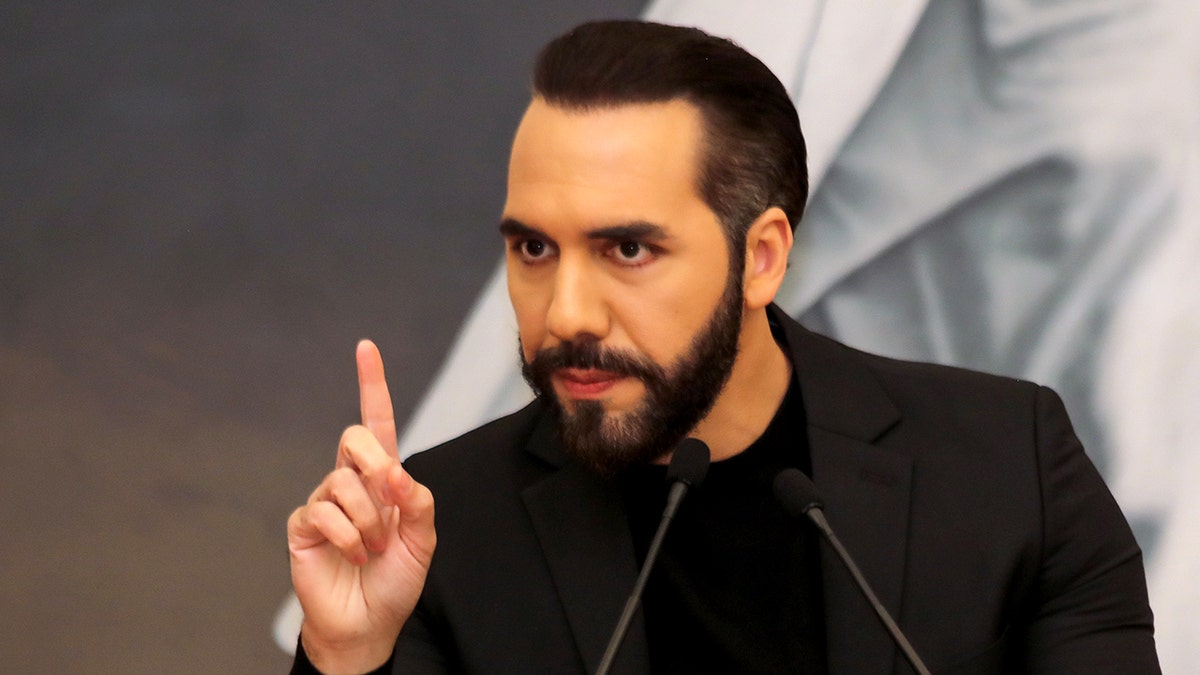
Salvadoran President Nayib Bukele has introduced a plan aimed at the conditional early release of a significant portion of detainees held under a prolonged state of emergency. The measure, initially declared in March 2022, has seen over 90,000 arrests and targeted the dismantling of gang activities.
Bukele announced the initiative on Tuesday night, focusing on the possible release of prisoners labeled as gang collaborators. This group includes individuals involved in various gang-related activities, such as lookouts and those making extortion payments. He emphasized the prevalence of gang collaboration in the country’s history.
“There are many people who have indeed committed crimes, but their crime was collaborating with gangs,” Bukele stated. “They deserve to be in jail, but we come from a country where collaborating with gangs wasn’t so unusual, and if we were to arrest everyone who collaborated with gangs, we would have to arrest 20% of the population.”
The president plans to evaluate individual cases for potential early release with monitoring. He suggested this process may affect up to half of those detained during the state of emergency.
The emergency was declared following a severe spike in violence, with over 60 fatalities recorded on a single day. Though initially set for 30 days, its duration has been consistently extended. The declaration, which aimed to curtail rival gangs MS-13 and Barrio 18, resulted in a marked reduction in the national homicide rate. It also increased El Salvador’s appeal as a tourist destination. However, it restricted certain constitutional rights such as access to legal counsel and visitation.
Human rights groups have protested these measures, citing widespread arbitrary arrests and constitutional infringements. They report over 6,000 grievances and at least 575 deaths in custody during the emergency period. Critics argue that releasing detainees alone fails to address the harm caused by their detentions.
“The victims of arbitrary detentions don’t just deserve to recover their freedom, but they also deserve to be compensated for the harms caused by the State of El Salvador: the physical and mental harm that imprisonment causes, family suffering, loss of work or studies, reputational damage, among others,” Salvadoran lawyer Bertha Deleón expressed.
Despite criticism, Bukele defends the emergency measure’s necessity and envisions an eventual end to its enforcement. El Salvador has seen a drastic decrease in its homicide rate, showcasing figures dropping from more than 100 murders per 100,000 residents in 2015, to an estimated 1.3 per 100,000 in 2025. However, human rights groups criticize the government’s narrowing of homicide definitions, excluding certain types of killings.
The Associated Press has contributed to this analysis.