Preparing for Cold and Flu Season
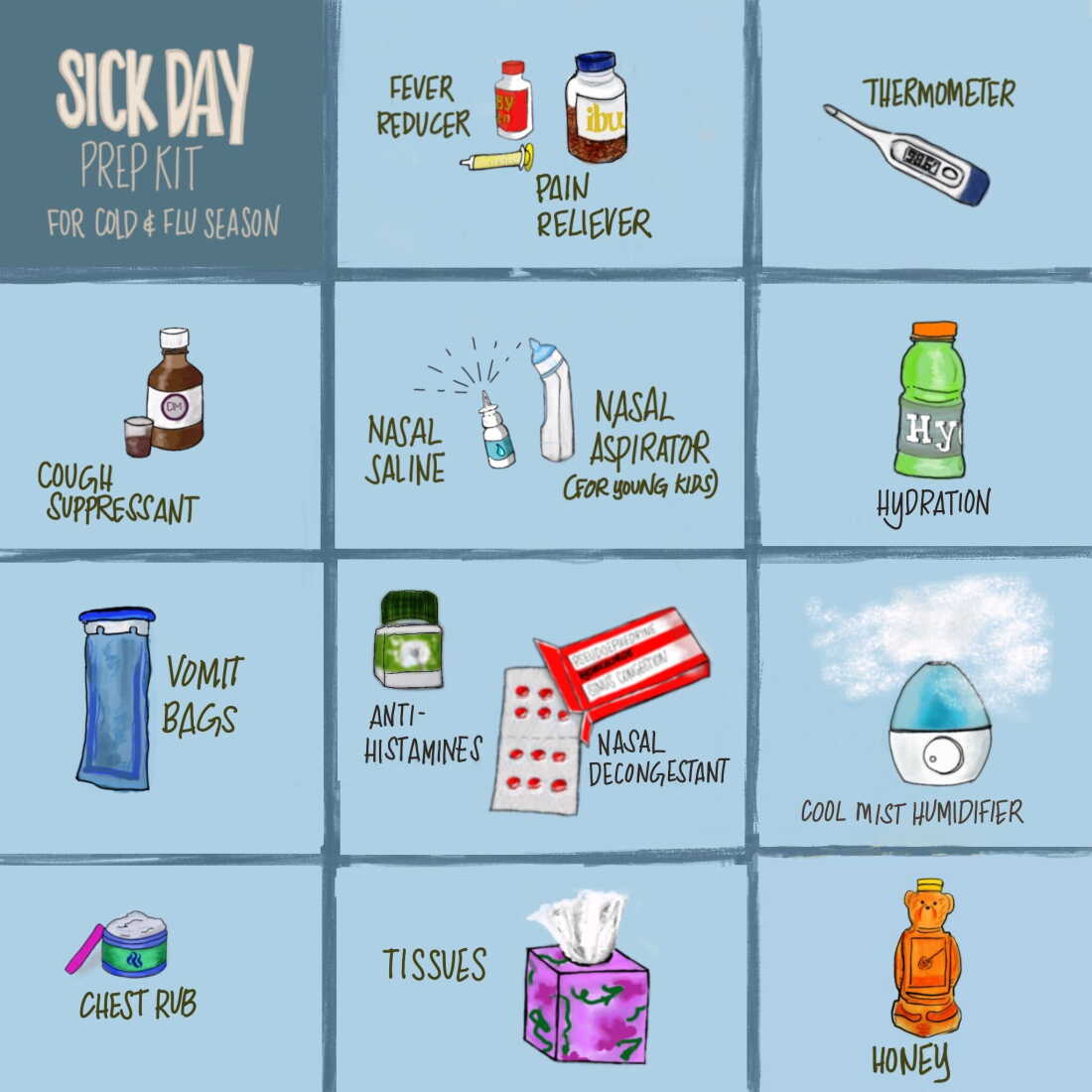
Is your household prepared for a sudden illness like a stomach bug or the flu? In the United States, the cold and flu season typically lasts from October through May. Dr. Mona Amin, a pediatrician, explains that lower temperatures and drier air increase susceptibility to respiratory viruses such as the common cold, flu, RSV, and COVID-19.
Create a Cold and Flu Prep Kit
Pharmacist Alisha Reed recommends having items ready in a designated spot to avoid scrambling for supplies when sick. This includes fever and pain relief medications, hydration supplements, and tools for symptom monitoring. Many fevers and viral infections like the flu can be managed at home.
Be proactive by disinfecting surfaces, getting vaccinated, and washing hands frequently. Remember that no prevention strategy completely eliminates risk, says Reed.
Items for Your Cold and Flu Kit
Over-the-counter Medications
- Pain Relievers: Consider NSAIDs like ibuprofen or naproxen for headache, body ache, and sore throat relief. Ibuprofen is not for children under 6 months, and naproxen is only for children over 12 years.
- Fever Reducers: Opt for acetaminophen, especially for children, and always follow dosage guidelines. For pregnant individuals, acetaminophen is recommended.
- Antihistamines: Useful for symptoms common to colds and allergies, like sneezing and runny noses. Consult a healthcare provider regarding children under 6 months.
- Decongestants: Pseudoephedrine containers or nasal sprays relieve stuffy noses. These are not recommended for young children.
- Cough Medicines: Dextromethorphan suppresses the cough reflex, while guaifenesin helps clear congested throats. Stay hydrated as a first measure.
Always read labels to ensure proper usage.
Additional Supplies
- Honey: Helps soothe coughs naturally, but avoid giving to infants under 12 months.
- Thermometer: Essential for checking fevers. Oral thermometers are often more accurate.
- Nasal Saline Treatment: Keeps nasal passages moist and helps reduce symptoms.
- Comfort Items: Consider chest rubs, disposable vomit bags, humidifiers, and hydration drinks like Pedialyte.
When to Consult a Doctor
If symptoms worsen or persist, consulting a doctor is crucial, especially if you notice:
- Fever above 102°F for children and 103°F for adults lasting more than 1-2 days
- Shortness of breath or erratic breathing
- Severe dehydration symptoms
- Confusion or extreme weakness
Contact your healthcare professional if uncertain. Reed advises not to hesitate in consulting a doctor or pharmacist.