Venezuelan Mineral Exploitation and Corruption: A Global Concern
Venezuelan Mineral Exploitation: A Major Issue
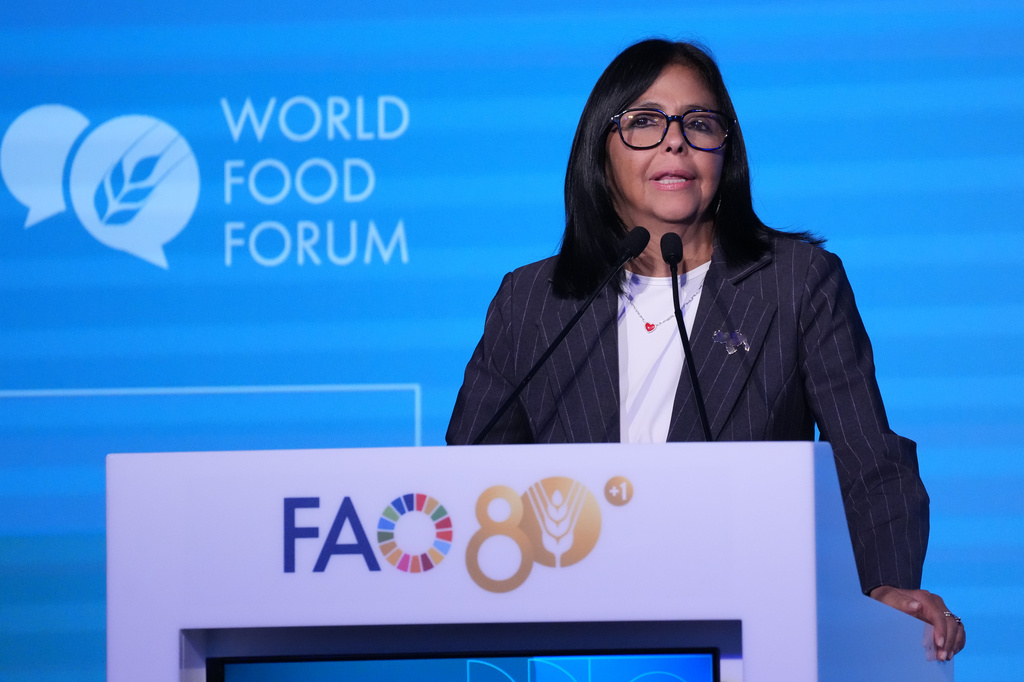
Delcy Rodríguez, acting president of Venezuela, spoke at the World Food Forum 2026 in Rome. Simultaneously, Venezuelan territory faces threats not primarily from its own forces but from Colombian militia groups ELN and FARC. These groups control vast areas along the border, benefiting from Venezuela’s minerals to finance their weaponry, profiting from sales to Chinese buyers. Over 56,000 people have fled the violence.
The U.S. Response
U.S. Secretary of State Marco Rubio criticized these groups, recognizing their criminal activities along the border. He urged that the U.S. pressure corrupt Venezuelan officials protecting them and called for decisive action against interim President Delcy Rodríguez. Rubio argued the U.S. must treat the Rodríguez government not as a security partner but as a harbor for terrorism.
Mineral Exploitation and Criminal Networks
Venezuelan cartels, such as Tren de Aragua, are heavily involved in extracting critical minerals like tin, rare earths, and coltan. These minerals are essentials for technological and military products. Cartels work with officials and military commanders, handling trading permits and resources in exchange for bribes. This exploitation supports Chinese intermediaries buying minerals, which are smuggled through ports with false documentation or via the Colombian border.
Impact on U.S. Economic Security
The sale of illicit minerals to Chinese buyers strengthens Beijing’s control over global mineral processing. This situation weakens U.S. economic security, missing opportunities to drive investment into Venezuela. The Trump administration’s disregard for corrupt officials under Rodríguez undermines American interests.
Current U.S. regulations permit American companies to buy Venezuelan minerals, assuming a legal market exists. These assumptions are flawed, as nearly all minerals are produced illicitly, funding criminal activities. The U.S. Treasury Department’s exemptions for banks operating in Venezuela indicate the challenges in policing this opaque economy.
Business and Investment Concerns
American businesses remain cautious, with refiners unwilling to procure Venezuelan gold due to potential links to crime. Criminal groups profit while the U.S. taxpayer bears financial burdens. U.S. private sector investment is stalled due to administration policies favoring Delcy Rodríguez.
Policy Implications
The Trump administration’s current stance protects the Rodríguez regime, indirectly supporting Chinese buyers and criminal networks. Washington faces a decision: either continue to shield the regime, fostering corruption and terrorism, or alter its approach to treat Venezuela’s ecosystem as a direct threat. Rubio emphasized that change is required and the current situation is unsustainable.
Josh Birenbaum, deputy director of the Center on Economic and Financial Power, and Cristina Vollmer Burelli of SOSOrinoco contributed to the analysis of illegal mining in Venezuela.
Copyright 2026 Nexstar Media Inc. All rights reserved. This material may not be published, broadcast, rewritten, or redistributed.