Lula Wins Brazil’s Presidential Election Amid Political Tensions
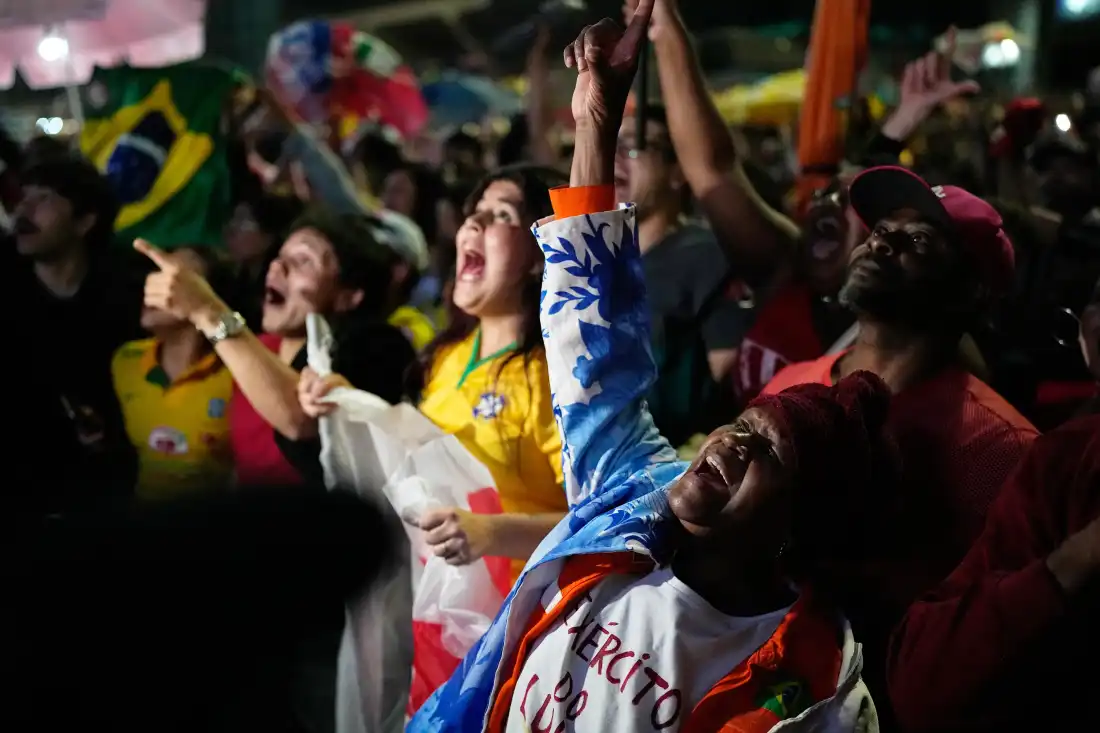
Supporters of President Luiz Inácio Lula da Silva celebrated his election victory in Brazil’s presidential runoff in São Paulo on Oct. 25, 2026. Official results showed Lula securing more than 51% of the vote, while his opponent, Sen. Flávio Bolsonaro, received over 48%.
Lula’s victory marks a significant comeback, defeating the 45-year-old Bolsonaro and challenging a right-wing political dynasty with ties to President Trump. This win extends Lula’s political career, adding a fourth presidential term.
The election day was marked by chaos. Lula’s campaign initially requested an extension of voting hours, citing reduced bus services affecting voter access. Bolsonaro’s team sought a similar extension due to heavy rain in some regions. Supreme Court Justice Cristiano Zanin ordered a two-hour voting extension, but the directive reached certain polling stations too late, after voting machines had been shut down.
“This is absurd,” said Manuela Tunas, a 36-year-old accountant in Rio de Janeiro, who missed voting due to a delayed flight. “If some people can vote, and others can’t, it’s unfair.”
The closely contested election garnered significant international interest. It highlighted the emerging right-wing movement in Latin America and raised concerns about the Amazon rainforest’s future and Brazil’s democracy, established around 40 years ago.
Flávio Bolsonaro, son of former President Jair Bolsonaro, vowed to pardon his father, who is imprisoned for attempting a coup against Lula’s 2022 victory.
The election featured two well-known political factions, and early on, Brazilians showed minimal enthusiasm for street campaigning. However, Bolsonaro’s success in the first round on Oct. 4 invigorated both camps, leading to expansive rallies and social media efforts.
Lula’s focus on continuity and social spending ultimately resonated with voters. Alessandra Miguel, a spa worker from Rocinha, observed a shift in voter sentiment. “People woke up about the risk of a Bolsonaro government after the first round, and the mobilization made a difference,” she noted.
Lula takes office in a deeply divided nation. Political scientist Jairo Nicolau noted a persistent trend in voters’ political loyalties, emphasizing tribal identities over policy discussions.
This is a developing story and further updates will be provided.