The Struggles of the Colorado River and Central Arizona Project
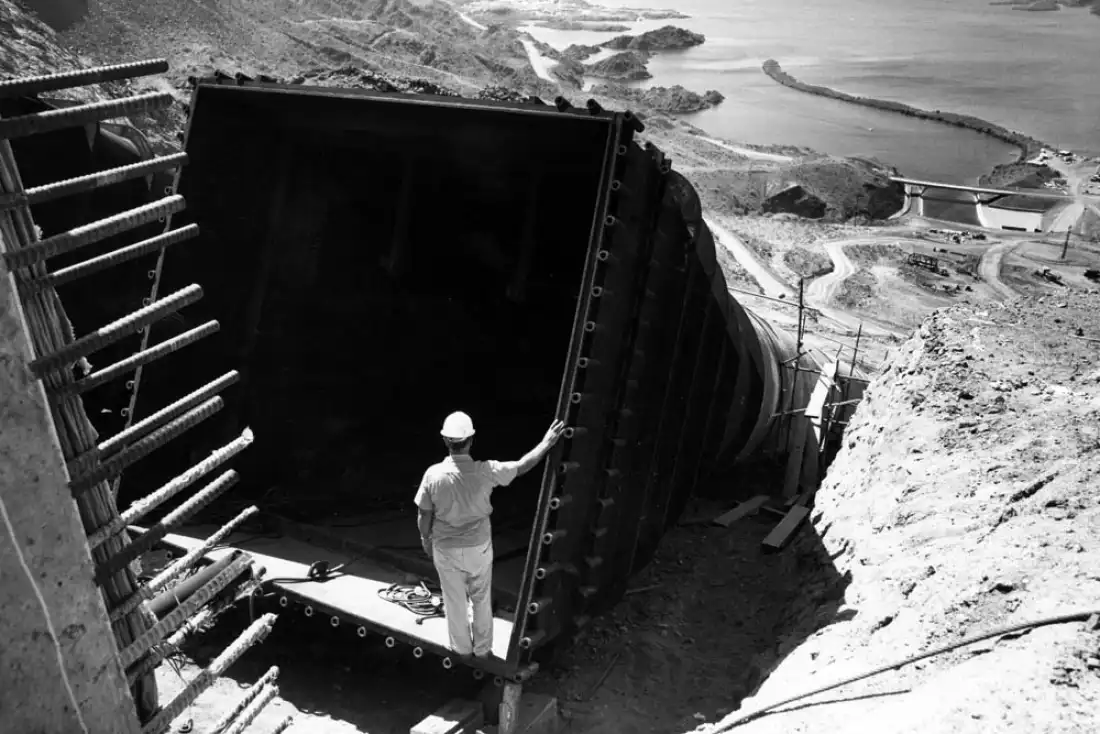
The construction of the Mark Wilmer pumping plant began near Parker, Arizona, in June 1982. This facility extracts water from the Colorado River at Lake Havasu, channeling it to Phoenix via the Central Arizona Project (CAP). Although the system’s architects in the 1960s predicted shortages by the 21st century, their warnings largely went unheeded.
Today, the Colorado River faces critical challenges. Water demand surpasses supply, causing tensions among policymakers on how to manage usage. These issues impact nearly 40 million people across seven Western states, including major cities and tribal lands. Recent federal plans to reduce water consumption have sparked legal actions from Nevada and Arizona.
Historical Context
The CAP, once deemed an engineering marvel, is crucial for Phoenix and Tucson’s existence. It comprises a 336-mile network of canals and pumping stations across the desert. However, current water shortages threaten this system’s reliability. Climate change and record droughts exacerbate the problem.
Historically, Colorado River withdrawals have exceeded supply, leading to depleted reservoirs. Legislation now proposes significant cuts to Arizona’s water, affecting the CAP heavily.
Warnings Ignored
When establishing the CAP, policymakers in the 1960s anticipated reduced water availability by the 21st century. They recommended augmentation by connecting the Colorado River to the Columbia River and creating desalination plants. Yet, these plans never came to fruition.
The architects, including officials like Floyd Dominy and Congressman Mo Udall, offered precise predictions about water scarcity. However, the primary culprits of diminished water supply turned out to be drought and climate change, not upstream use.
Past Oversights
Concerns about CAP’s sustainability were acknowledged at its inception. Despite this, key augmentation projects were never developed. Political constraints and financial reluctance played a part. During the CAP signing, President Lyndon B. Johnson praised the project’s potential, unaware of its future challenges.
Efforts to secure alternative water sources were hindered by legislation and lack of political will, although they seemed feasible once.
Modern Implications
As Arizona copes with water reductions, reflections on past decisions emerge. Was there an oversight in constructing the ambitious canal without sufficient backup plans? Many experts today say no, acknowledging the political and financial complexities involved with large-scale infrastructure projects.
Brad Udall, son of Mo Udall, suggests that suggestions for augmentation were overly optimistic given the era’s infrastructure triumphs. Large projects were likely seen as solutions then.
Others point to the long-standing legal battles and tired negotiators as factors in bypassing future-proof solutions for immediate accomplishments.
Prospects for Change
Contemporary water managers face difficult decisions about water redistribution from agriculture to urban centers. Additional infrastructure remains costly and politically challenging, prompting alternative solutions like enhanced groundwater pumping, wastewater recycling, and potential partnerships with existing desalination facilities.
Arizona’s water infrastructure now requires significant investment to adapt to this new reality. Exploring collaboration with regions like San Diego, which hosts large desalination facilities, offers potential solutions.
Legacy and Lessons
The CAP’s designers pinpointed a fundamental flaw: excessive withdrawals from the Colorado River. Their foresight stressed the need for conservation and additional water sources. Current efforts to reconcile management practices align with these earlier assessments.
Amidst strained resources, stakeholders across the Colorado River Basin must collaborate to diminish their collective demand. Revisiting fundamental water management strategies remains vital for sustainable use.