Alaska Investigates Alleged Campaign Manipulation in Senate Race
Alaska Investigates Alleged Campaign Manipulation in Senate Race
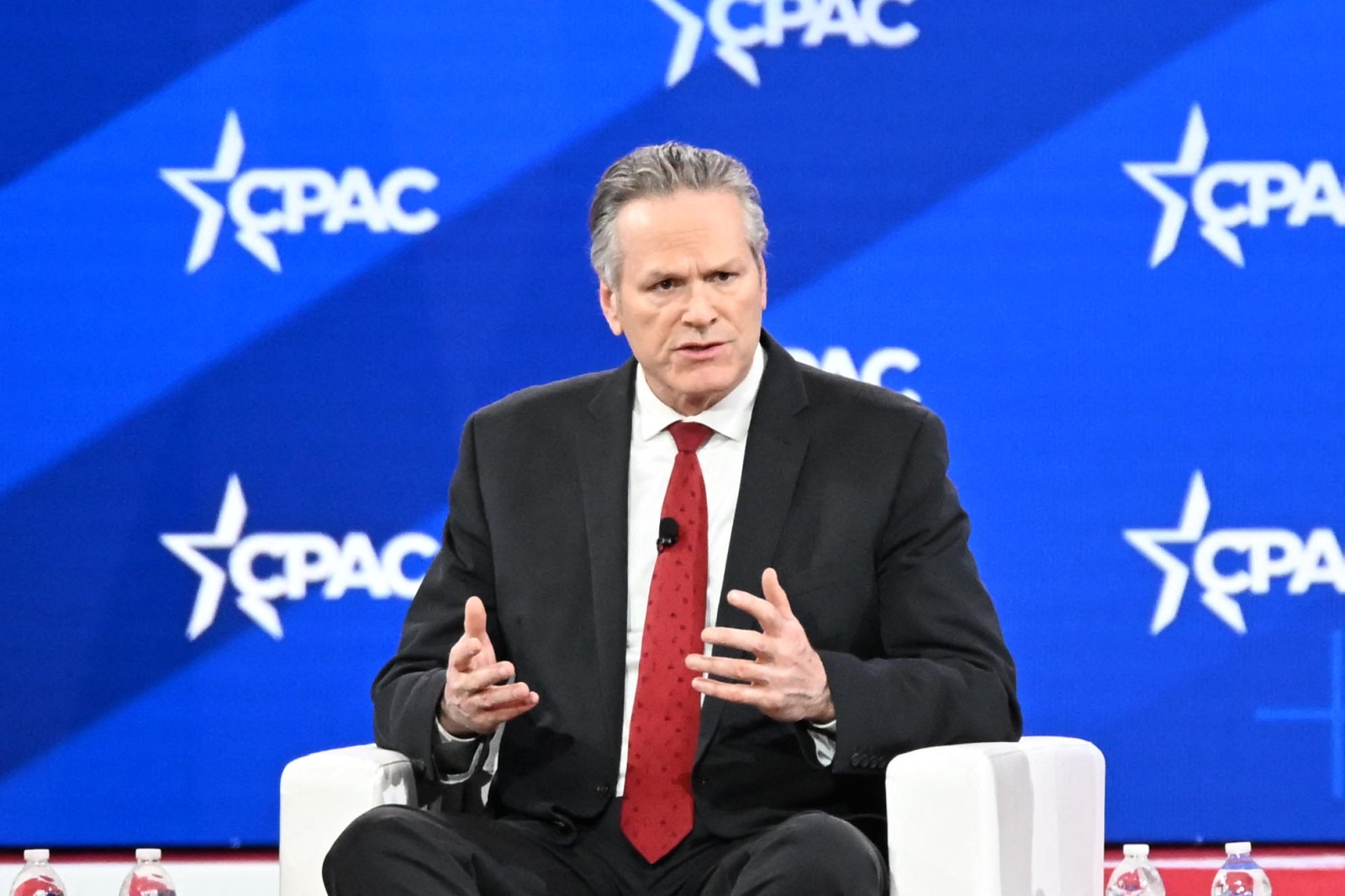
Alaska Governor Mike Dunleavy has called for a state probe into allegations surrounding Democrat Mary Peltola’s U.S. Senate campaign. This involves claims of efforts to recruit candidates intended to siphon votes away from Republican Senator Dan Sullivan, intensifying a major election controversy just days before the midterm elections on November 3.
Governor Dunleavy, a Republican, tasked the Alaska Department of Public Safety with exploring whether the supposed attempt to influence the Senate ballot contravened state law. This includes assessing the potential for criminal charges or civil actions. Dunleavy cited a report by The New York Times which allegedly exposes an organized strategy to recruit candidates—including one with a similar name to the sitting senator—to potentially mislead voters.
The New York Times Investigation
The Times’ investigation revealed that individuals connected to Peltola’s campaign as well as senior aides from the Democratic Senatorial Campaign Committee (DSCC) were involved in efforts to recruit a candidate named Daniel J. Sullivan Jr. This candidate is a retired teacher on the ballot alongside Senator Dan S. Sullivan. The report includes evidence from interviews, messages, and documents. However, Peltola’s campaign and the DSCC have denied any recruitment efforts involving Sullivan Jr. or other candidates.
Legal Uncertainty
The state’s investigation raises a fundamental legal query: assuming political operatives encouraged Sullivan Jr. or others to run to dilute incumbent support, does this breach any Alaska law? Jeff Feldman, a law professor with extensive litigation experience in Alaska, expressed uncertainty about whether such actions violate state statutes.
Attempts to remove Sullivan Jr. from the ballot have failed in state courts. The Alaska Division of Elections originally determined his candidacy was intended to confuse voters. However, a judge overturned this, finding no legal basis for excluding him based on ‘good faith’ motives—which are not mandated by statute. The Alaska Supreme Court allowed Sullivan Jr. to remain on the ballot.
Broader Legal and Political Implications
Concurrently, the state is battling a separate lawsuit from the Justice Department concerning the election. Alaska is seeking dismissal, arguing the lack of federal jurisdiction in the state’s election administration.
The investigation by Governor Dunleavy introduces new dimensions, examining whether any laws were breached in the alleged candidate recruitment, beyond merely maintaining the focus on ballot inclusion.
The investigation exposes discrepancies between state and federal approaches. The Justice Department filed its lawsuit to potentially intervene if votes for Sullivan Jr. affect the outcome for Senator Sullivan. Alaska’s legal actions against the federal lawsuit emphasize state sovereignty over election proceedings.
Historical Context of Election Tactics
Political strategies to leverage candidates drawing votes from opponents have historical precedent, involving parties on both sides. Alaska has witnessed disputes over unconventional candidates before, such as the 2024 attempt to remove Eric Hafner from the ballot during his federal incarceration, further illustrating tactical maneuvers within state elections.
The exploration of AS 15.56.014, concerning deceitful campaign communications, and possible campaign finance violations under AS 15.13, remains pivotal in determining legal breaches. However, definitive violations have yet to surface.
Responses from Key Figures
Mary Peltola’s campaign denies involvement, reiterating a focus on advocating for Alaskans. In contrast, Senator Sullivan’s campaign accuses Peltola of deliberate misinformation. Former President Donald Trump has actively intervened, accusing Democrats of voter deception and demanding legal repercussions.
Trump has not identified a specific law breached but continues to critique the situation as voter fraud, advocating for legal accountability.
Sullivan Jr., maintaining his self-driven candidacy, highlights voter independence and choice. Legal proceedings continue alongside political narratives, ensuring the controversy’s prolonged attention as the election approaches.