University Employee Avoids AI Use on Religious Grounds
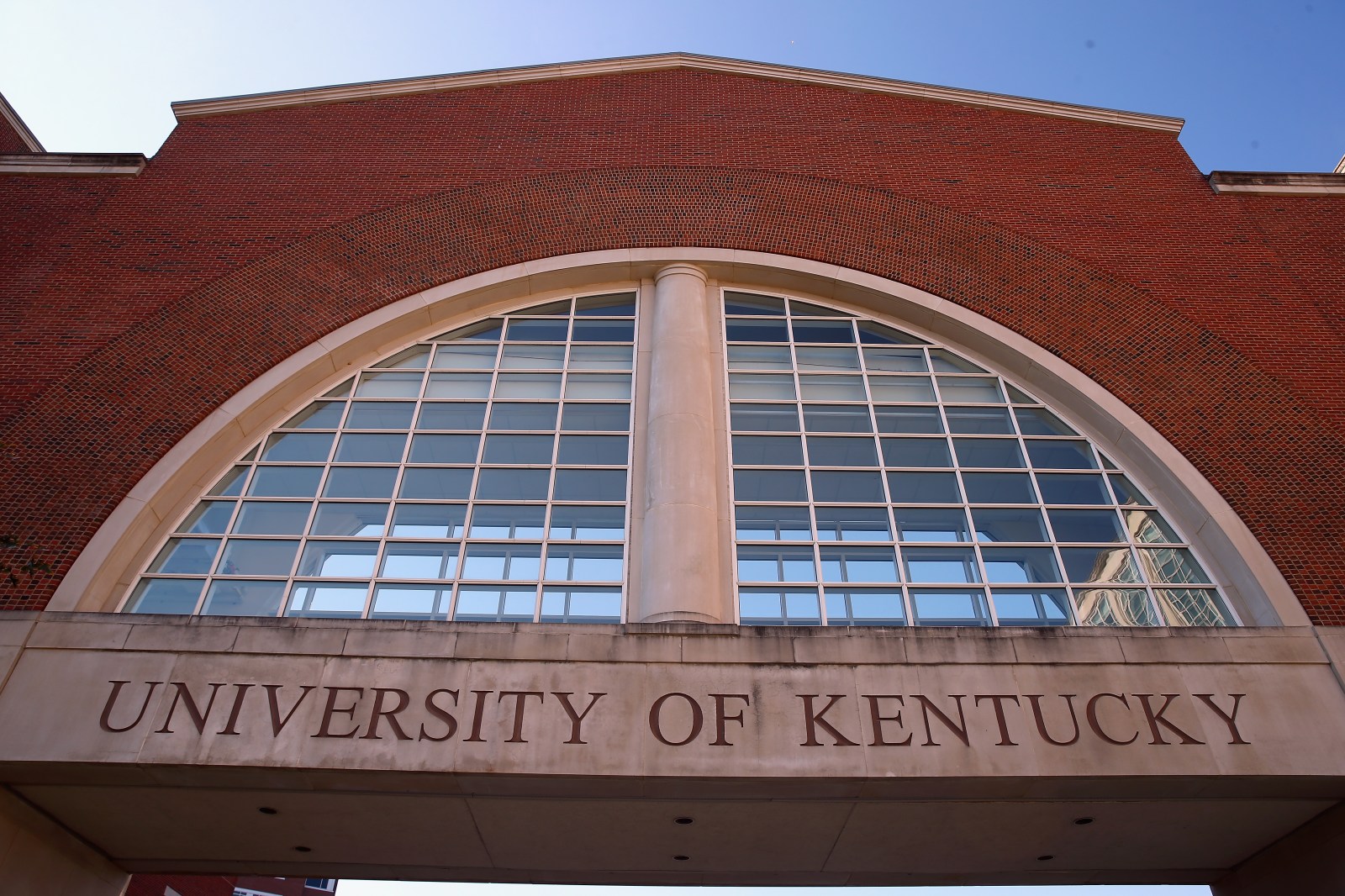
A University of Kentucky employee named David Durman has successfully obtained a religious accommodation to not use artificial intelligence (AI) in his role. Durman’s job involves editing grant applications and ensuring compliance. Despite the university promoting AI integration, Durman decided to seek this accommodation preemptively, fearing future mandates to use the technology.
His request, approved on September 25, was facilitated by the American Humanist Association (AHA). They assert this is the first known case of a humanist receiving workplace AI accommodation. Previously, Erin Maus, a software engineer in North Carolina, received similar accommodations due to her religious and ethical objections, reported by Business Insider.
Durman’s humanist beliefs prioritize human welfare and personal accountability. He expressed concerns specifically about generative AI’s potential to delegate human cognitive functions and decision-making. In his request, he highlighted AI’s impact on employment, the environment, and creativity. Durman’s accommodation does not exempt him from all AI exposure; he may still need to attend meetings involving AI, work with AI-using colleagues, or interact with AI-run platforms, but he is not required to use AI personally for his tasks.
University of Kentucky’s AI Initiatives
The University of Kentucky is actively expanding AI use through its Commonwealth AI Transdisciplinary Strategy (CATS AI). This strategy spans education, research, healthcare, and other areas. By June, more than 2,000 employees across numerous departments had connected with AI learning opportunities. Microsoft states the university has fully deployed tools like Microsoft 365 Copilot campus-wide, impacting over 38,000 students and 33,000 staff members. However, Durman’s role did not mandate the use of these tools.
Jay Blanton, a University of Kentucky spokesperson, noted that accommodation requests are assessed individually, considering the employee’s beliefs and job duties. The university found that accommodating Durman’s request would not disrupt his job performance.
Understanding Religious Accommodations
Title VII of the Civil Rights Act of 1964 demands that employers reasonably accommodate employees’ religious beliefs unless it causes undue hardship. These protections extend beyond traditional religions to include ethical and moral beliefs. The scope of protection was further clarified by the Supreme Court in Groff v. DeJoy, stating that undue hardship can’t be only minimal costs, but should account for substantial increased costs relative to the business’s operations.
In defending the accommodation, the university assessed that allowing Durman to avoid AI did not pose an undue burden. This case highlights a growing discussion around AI’s ethical implications, even within traditional religions. Pope Leo XIV, for instance, has expressed concerns about AI but does not advocate for outright Catholic exemptions. The EEOC emphasizes that individual beliefs, even among the same religion, qualify for protection.
Humanism Explained
Humanism is a worldview that emphasizes reason, ethics, and human improvement, absent of belief in a deity. David Durman advocates for maintaining human cognitive responsibilities without AI reliance, aligning with his deeply held convictions. However, viewpoints on AI among humanists vary, with some embracing the technology differently.
Durman’s case does not aim to influence others to avoid AI, but he hopes his action will encourage those with concerns to explore available accommodations. His experience adds to ongoing discourse regarding AI in the workplace and individual rights concerning its use.