Republicans in Tough Spot as Midterms Approach, Marc Short Warns
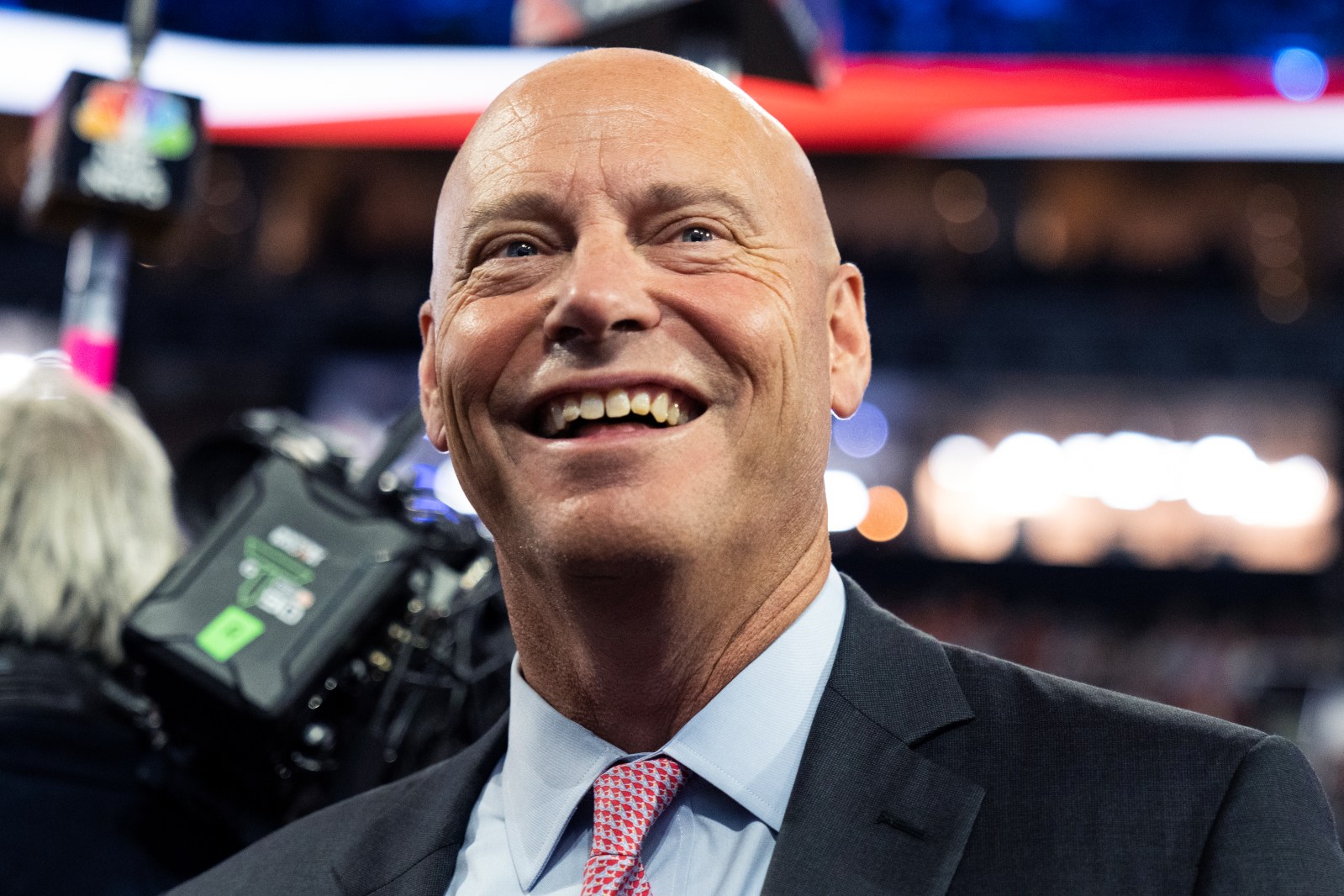
Former Trump administration official Marc Short has raised concerns about the Republican Party’s position ahead of the upcoming midterm elections. He described the party as being in ‘triage’ mode due to the numerous challenges it faces in maintaining its Congressional majorities. Short voiced these concerns on CNN, highlighting issues like inflation, affordability challenges, and corruption allegations surrounding the White House as hurdles that could dampen GOP enthusiasm.
Senior Republicans share these worries. House Majority Whip Tom Emmer has acknowledged that the party is now more selective in deploying campaign resources. “It really is a business, and you’re looking at a balance sheet,” Emmer told Axios, emphasizing the need for strategic focus in the midst of a heated fight to retain majority control.
“We expanded the map when we should have kept it narrow,” Emmer noted. “We should have been conservative about what we were going after.”
This shift has led Republican campaign groups to move from offense to defense, reallocating funds to protect seats in states traditionally considered safe for the party. In Kansas, for example, resources are being directed to defend Senator Roger Marshall against Democratic challenger Adam Hamilton, reflecting a broader strategy of damage control.
Short critiqued the Trump administration’s economic legacy and alleged conflicts of interest as factors eroding voter enthusiasm, specifically noting, “The White House policies… they’ve not fixed the inflation challenge.” Concerns about stagnant wages and corruption stories coming from the White House have further affected Republican voter motivation.
The idea of ‘draining the swamp’ has been central to Trump’s political appeal, yet that’s where we now are.
Republican Strategy Shifts to Defend Seats
The Republican strategy shift is noticeable as party funds are redirected to protect seats previously seen as secure. In North Carolina, spending has been cut in races where Democrats like former Governor Roy Cooper seem likely to flip Republican-held seats. Conversely, spending has increased in South Carolina to support Senator Darline Graham against Democrat Annie Andrews.
In Kansas, despite Trump’s strong past performances, polling suggests a tight race between Marshall and Hamilton, prompting further spending by groups like the Senate Leadership Fund. The shift illustrates the struggle to hold traditional Republican strongholds as Democrats broaden their electoral map.
This defensive strategy is not limited to Senate races. In Nebraska’s 2nd Congressional District, television ad funding meant to support Republican Brinker Harding was pulled, illustrating a recalibration of national priorities amid tighter campaigns in states like Kentucky, Ohio, and Texas. Democrats need a net gain of four Senate seats to gain control of the Senate, with the House majority also at stake.
Emphasizing Opposition to Progressive Democrats
Amid these challenges, Republican strategists are focusing on opposition to progressive Democratic figures such as Congresswoman Alexandria Ocasio-Cortez and Michigan Senate candidate Abdul El-Sayed. Marc Short suggested this focus may galvanize Republican voters who are uneasy about their candidates or the current political environment.
“If you can’t find enthusiasm for Ken Paxton, you might be motivated to oppose AOC,” said Short, referencing the Texas attorney general and the prominent New York progressive.
Short believes that emphasizing opposition to progressive Democrats may resonate beyond expected regions, impacting races across the country.