Pipeline Oil Spills in the Great Lakes: Understanding the Impact
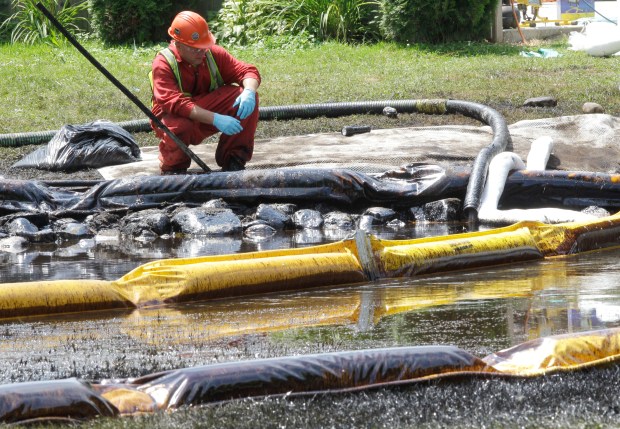
A significant oil spill in Wisconsin, involving at least 1.3 million gallons of hazardous natural gas liquids, has drawn national attention. It also sparked discussions on oil spill scrutiny. While this incident gained media coverage, numerous smaller oil spills have occurred in the Great Lakes over the past decade with little public awareness. A recent study by Lake Superior State University highlights this issue, listing over 6,400 spills between 2015 and 2024.
Extent of Oil Spills
The study, published in the Journal of Great Lakes Research, was led by ecologist Cecilia Heuvel. It identified most spills as minor, each less than 1,000 gallons. Many of these spills lacked details regarding the volume or type of oil released. While major ocean spills are often reported widely, small spills in freshwater bodies are less noticed. This gap in information contributes to uncertainty about their environmental impact.
Lake Michigan experienced the highest number of spills among the Great Lakes, with around 150 incidents annually. Data for this research was sourced from the U.S. Coast Guard’s National Response Center and Ontario’s government, according to Heuvel.
Environmental Concerns
Heuvel emphasized the potential for minor oil spills to cause long-term environmental effects in the Great Lakes ecosystem. However, these effects remain largely unquantified due to insufficient research. Past incidents, such as the rupture of Line 6B in 2010, offer insights into the potential consequences. This pipeline explosion led to over 845,000 gallons of spilled hydrocarbons into the Kalamazoo River, significantly affecting the area.
The cleanup for the Line 6B spill exceeded $767 million and affected about 320 residents with symptoms linked to crude oil exposure. The pipeline, now called Line 78, continues to operate, transporting over 500,000 barrels of crude oil daily, according to Enbridge.
Current Pipeline Challenges
In recent months, Line 5 in Wisconsin attracted attention when a truck accident caused the release of 31,000 barrels of propane and butane. This incident brought to light the threats arising from pipelines crossing sensitive areas like the Straits of Mackinac. Enbridge, the company operating Line 5, proposed a tunnel construction for safety. However, this proposal remains under review following a reversal by the Michigan Supreme Court, demanding further environmental assessment.
Liz Kirkwood from Flow Water Advocates stressed the dangers pipelines pose to the Great Lakes. She calls for the shutdown of Line 5, citing the pipeline’s age and potential risks as reasons against current rerouting plans.
Knowledge Gaps
The Lake Superior State University study points to a significant lack of data on small spills, especially their ecological effects. Differences emerged between the U.S. and Canada in documenting these incidents. The U.S. often noted shipping-related spills, whereas facility-related were more common in Canada. Connecting waterways like the St. Clair and Detroit rivers had higher spill densities than the open lakes.
Research on oil spills in freshwater ecosystems remains sparse compared to marine studies. Large ocean spills are associated with wildlife losses and increased cancer risks in nearby communities. Freshwater systems, however, need more focused research to understand their unique challenges.
Pipeline Policy and Public Reaction
A separate report from the Environmental Integrity Project examined pipeline expansion, attributing it to policy changes under the Trump administration. This expansion includes natural gas, oil, petrochemical, and carbon dioxide pipelines.
President Trump’s emergency declaration in early 2025 facilitated this growth, encouraging fast-tracked reviews of pipeline projects. Environmentalists argue that this designation lacks justification. Reports from the Department of Energy suggest the U.S. power supply remains stable, contradicting claims of an emergency.
The expansion includes projects transporting natural gas for data centers across several states. The report criticizes weakened regulations, short public comment periods, and a reduction in enforcement actions. Advocacy groups emphasize the importance of transparent and democratic processes in environmental policy decision-making.