Turkey-Libya Maritime Agreement Sparks Tensions in the Mediterranean
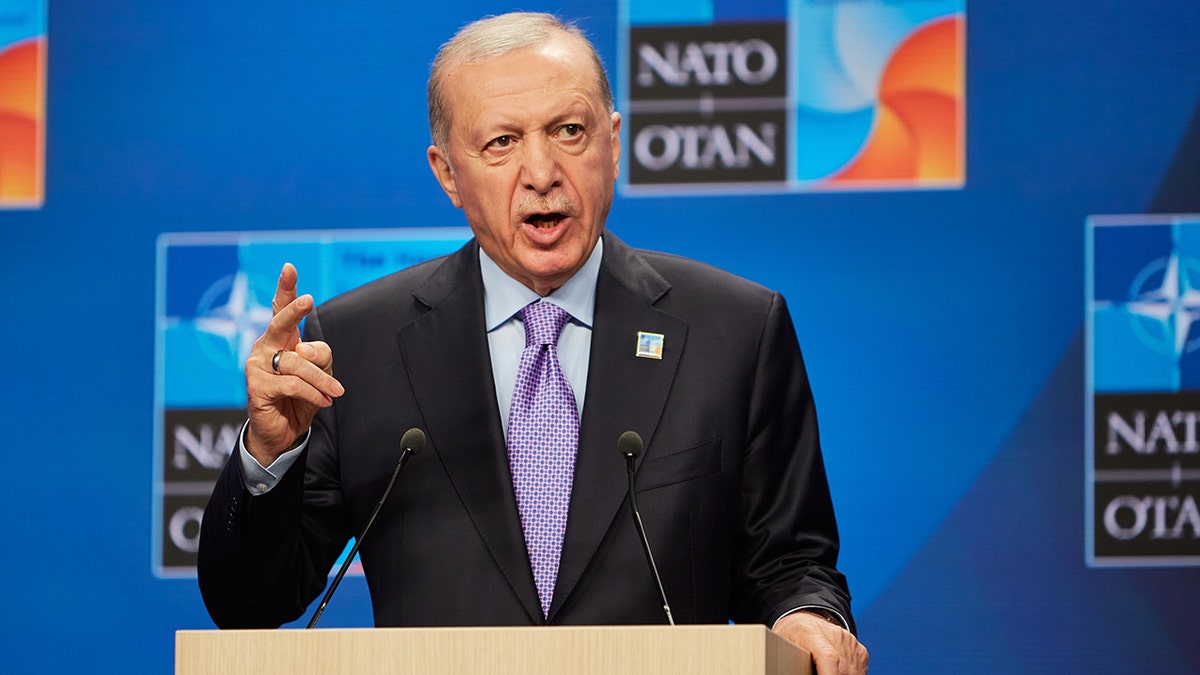
The Trump State Department has condemned the recent maritime agreement between Turkey and Libya, which has stirred controversy among several nations. This deal redefines sea borders in the Mediterranean Sea, a region rich in potential gas deposits.
In mid-October, Eastern Libya’s parliament, led by military leader Khalifa Haftar, approved the agreement. Haftar, allied with Turkey, has bypassed Libya’s internationally recognized government in Tripoli, situated in the country’s northwest. This move has increased tensions in the area.
A U.S. State Department spokesperson noted, “The announcement of the ratification […] has raised tensions in the region and is unhelpful and provocative.”
The spokesperson emphasized that all countries should settle maritime disputes through good-faith negotiations and avoid any actions that could escalate tensions. He urged Greece and Türkiye, both NATO allies, to engage in bilateral discussions to resolve disagreements.
Turkish Foreign Minister Hakan Fidan supported the agreement, claiming, “This is an entirely legitimate agreement, both from a legal and a political perspective.” He dismissed criticism of the deal as unnecessary, stressing its legitimacy.
Greece’s Foreign Affairs Minister, George Gerapetritis, criticized the deal, stating, “The memorandum will not be implemented […] as it is entirely contrary to international law.” He accused Türkiye of using its influence in Libya to advance its interests, which has intensified Greek-Turkish tensions.
Endy Zemenides, Executive Director of the Hellenic American Leadership Council, warned that the agreement threatens U.S. security and interests by denying maritime rights to Crete, which hosts NATO’s southernmost base.
The European Union strongly opposed the agreement, declaring it in violation of maritime law. The EU described the Türkiye-Libya memorandum as null and void.
Israel also criticized the deal, expressing support for Greece and Cyprus and underscoring that Türkiye’s actions destabilize the region.
The involvement of U.S. companies like Exxon and Chevron in the area adds another layer of complexity to the situation. The EU and allied countries remain firm in their stance against the agreement, highlighting potential challenges to regional stability.