Analyzing Polling Averages and Voter Insights
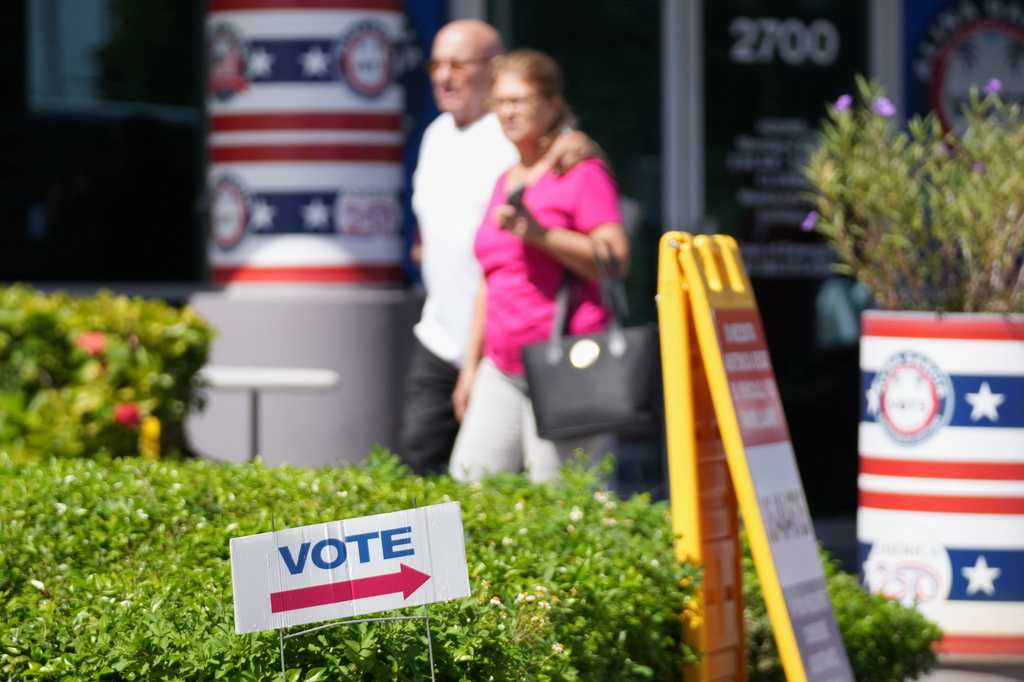
During the early voting of the 2026 midterm elections in Doral, Florida, many are reflecting on the role of polling averages. The practice of averaging polls has become commonplace, yet clarity around its impact remains elusive.
Years ago, concerns were raised about treating all surveys equally, advocating instead for standards over mere averages. Today’s real-time updates and prediction-market odds provide a constant stream of data, yet understanding the underlying reasons for shifts in political races remains challenging.
An example lies in Maine’s Senate race, where a strong contingent of Trump-disapproving voters supports Republican Senator Susan Collins. Historically, Maine leaned towards Joe Biden, yet Collins secured a win. Current polls show mixed results, with some giving Democrat Troy Jackson a slight advantage. The data suggests voter concerns vary; while many support Collins for effectiveness, Jackson is perceived as too liberal by some.
Polling data indicates that many Collins supporters’ decisions aren’t directly linked to Trump opinions, yet detailed insights on voter reasoning are scarce. As election results are debated, the focus often remains on outcomes rather than voters’ motivations.
Moreover, widespread opposition against local data centers highlights another trend. National and state polls reveal majorities against nearby data centers, driven by perceptions of rising energy costs. Yet when polls suggest developers might offset these costs, voter openness to data centers increases.
Polling data has untapped potential to provide rich insights. Utilizing AI can help analyze results across multiple surveys, offering a comprehensive understanding of public opinions. This requires transparent methods and meticulous cross-checking of data.
Reporters should have access to complete polling tables to ask critical follow-up questions, engaging with respondents to uncover the nuances behind their preferences.
Although polling averages are valuable, they should not replace deeper inquiry into voter sentiment. By fully utilizing available data, including polls and AI analysis, more informed narratives about voter priorities can be developed.
The future lies in digging deeper, moving beyond surface-level interpretations to understand what voters truly desire. Initiatives like these could reshape political discourse, ensuring public opinion is accurately represented.