Democratic Party Tensions Surface Ahead of Michigan Senate Election
In Detroit, political tensions intensified within the Democratic Party as Haley Stevens, a former opponent in Michigan’s U.S. Senate primary, publicly endorsed Republican candidate Mike Rogers. Her decision followed a church service attended with Rogers, surprising many party officials.
This endorsement for Rogers, backed by President Donald Trump, comes after Stevens was excluded from a joint event with Abdul El-Sayed, the Democratic nominee. El-Sayed narrowly defeated Stevens in the August primary. Stevens explained her decision in a video announcement, citing her exclusion from El-Sayed’s campaign, even though she previously committed to voting for him.
The fallout from Stevens’ endorsement was immediate. Her longtime chief of staff resigned, with other staff members expected to follow suit. Stevens’ criticism of El-Sayed mainly focused on his comments regarding Israel, yet she maintained she would support him.
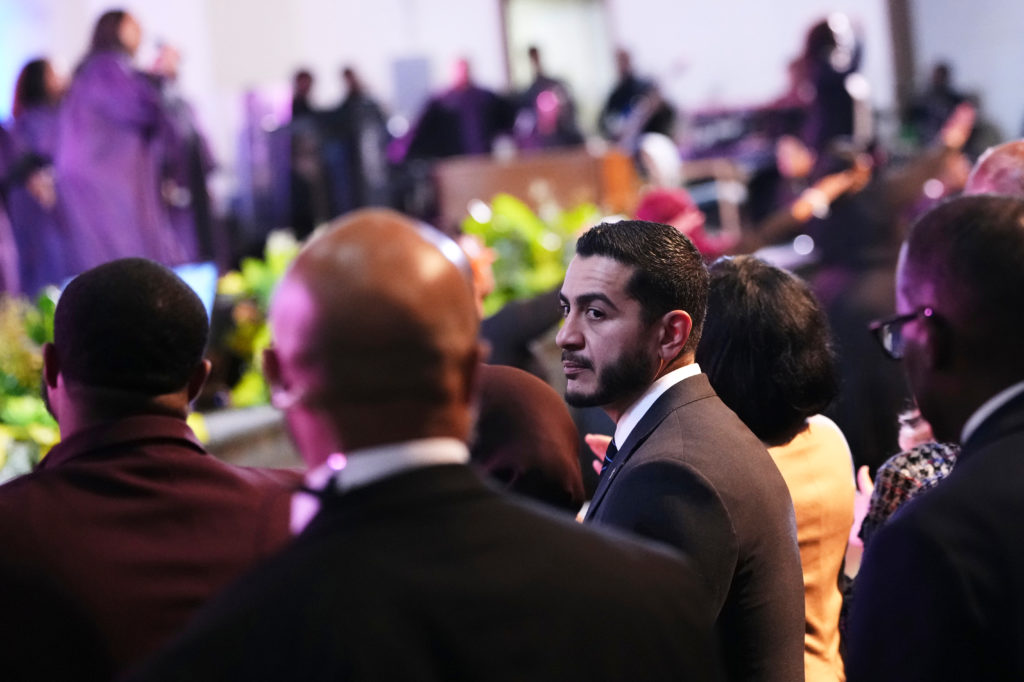
Meanwhile, El-Sayed attended a different church service, aiming to present a united front among Democrats. The situation unfolded as Democrats sought to bolster voter turnout among Black and Jewish communities, crucial in the election.
“United we stand, divided we fall,” remarked Rep. Debbie Dingell, highlighting the importance of unity before the upcoming vote.
El-Sayed remains in a close contest with Rogers for the Senate seat left vacant by retiring Democrat Gary Peters. Maintaining Democratic control in Michigan is critical for the party’s strategy to secure a majority for the final years of Trump’s second term. Dingell, a prominent Democratic figure, expressed regret over the contentious situation and emphasized the importance of staying focused on the election.
Previously, a planned joint appearance at a church event with Stevens and U.S. Rep. Jim Clyburn unraveled due to disputes over Israel and campaign advertisements. The tensions particularly affect Wayne County, including Detroit, where turnout could significantly influence election outcomes.
The primary race between El-Sayed and Stevens was notably bitter, with personal attacks and significant external spending influencing the outcome. Stevens was supported by the American Israel Public Affairs Committee’s super PAC. Despite pledging to support El-Sayed after the primary, Stevens has faced criticism for her refusal to appear publicly with him.
Recent comments by Stevens’ fiancé indicating support for Rogers added to the political turmoil. Stevens subsequently appeared on CNN, urging unity and condemning negativity within El-Sayed’s campaign. Dingell had attempted to mend relations, coordinating a joint church event alongside prominent Democrats.
In her recent statement, Stevens urged El-Sayed to denounce a controversial ad linking U.S. support for Israel to economic issues. El-Sayed responded by emphasizing the need to focus on the upcoming election rather than the past primary debates.
Despite these challenges, El-Sayed continues his efforts to rally support through church visits alongside other key Democrats. They aim to increase turnout in Detroit, where the majority Black population is vital for Democratic success statewide.