Analyzing Trump’s Approval Ratings Before Midterm Elections
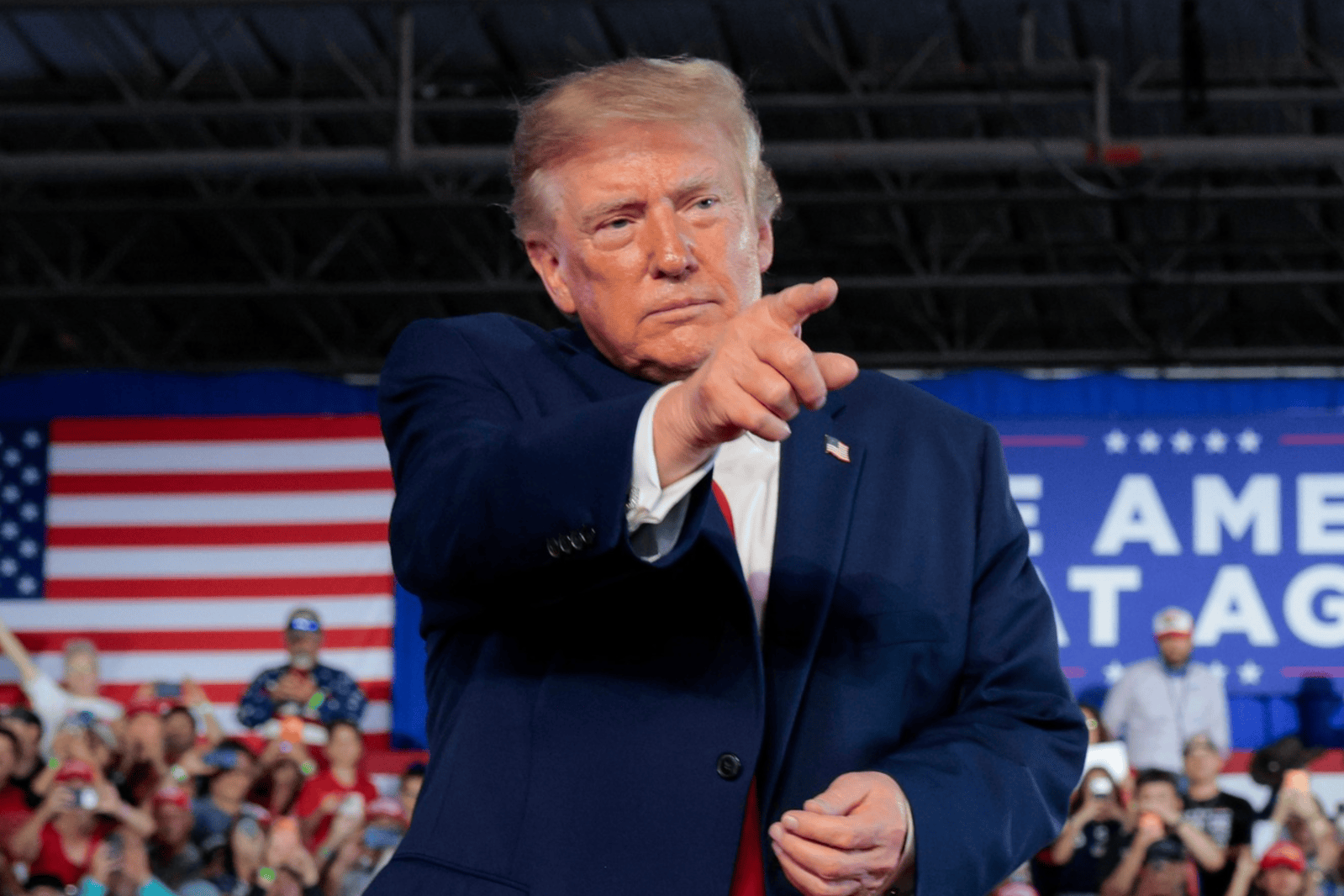
President Donald Trump’s approval rating has seen minimal change in the final month before the midterm elections, yet it is notably weaker compared to the beginning of the year. Data from four national polling trackers—Civiqs, Silver Bulletin, The New York Times, and RealClearPolling—shows Trump’s net approval more than 20 points underwater on October 1. This backdrop presents challenges for Republicans aiming to retain control of Congress.
As of October 29, approvals ranged from 33 percent to 38.4 percent, with disapproval consistently at around 60 percent in each measure. Across the four trackers, Trump’s net approval rating was 11 to 11.8 points worse than at the start of 2026.
Historically, midterm elections are challenging for the party in control of the White House. Republican candidates are under pressure, as voters provide a national verdict on Trump’s first two years of his second term. Costas Panagopoulos, a professor of political science at Northeastern University, notes midterms often act as referenda on incumbent party performance.
Civiqs data indicated a slight decline during October. Averages from Silver Bulletin, The New York Times, and RealClearPolling showed modest improvements, but none signaled significant recovery.
The methodology differs among the polling averages, making it more useful to compare them for direction rather than combining them. White House spokesperson Davis Ingle emphasized Trump’s leadership in the GOP, asserting that his relationship with the MAGA movement and his record would support the party’s defense of congressional majorities.
Current Tracker Standings
Civiqs shows Trump at 33 percent approval and 60 percent disapproval, yielding a net rating of -27. Silver Bulletin records 37.3 percent approval against 60.1 percent disapproval, resulting in a net of -22.8 points. The New York Times displays 37 percent approval and 60 percent disapproval, leading to a net of -23. RealClearPolling shows 38.4 percent approval and 60.1 percent disapproval, with a net rating of -21.7.
Civiqs Records A Slight Decline
On January 1, Civiqs placed Trump’s approval at 40 percent, with a disapproval at 56 percent. The net rating was -16. By October 1, approval dropped to 34 percent, disapproval reached 60 percent, with the deficit widening to 26 points. The October 29 data showed approval at 33 percent, resulting in a net rating of -27, marking a one-point deterioration during the month and an 11-point decline since January. Civiqs surveys registered voters continuously.
Silver Bulletin Shows Modest Improvement
Silver Bulletin started the year with Trump at 42.2 percent approval and 53.7 percent disapproval, netting -11.5. By October 1, figures shifted to 37.2 percent and 60.5 percent, widening the deficit to 23.3 points. The October 29 update showed approval at 37.3 percent, with disapproval at 60.1 percent, leading to a net -22.8, indicating a half-point improvement for the month but remaining 11.3 points worse than the beginning of 2026.
The Times Shows A Small Change
The Times had Trump’s approval at 42 percent on January 1, and disapproval at 54 percent, with a net of -12. By October 1, approval was at 37 percent, disapproval at 61 percent, doubling the deficit to -24. As of October 29, approval remained at 37 percent, but disapproval declined to 60 percent, leading to a net of -23, a slight improvement from October but still far below the January level.
RealClearPolling Shows Minimal Movement
RealClearPolling recorded the smallest gap at the beginning of the year, with approval at 43.4 percent and disapproval at 53.3 percent, netting -9.9. On October 1, approval was 38.3 percent with 60.2 percent disapproval, netting -21.9. The latest October average indicated approval at 38.4 percent and disapproval at 60.1 percent, resulting in a net -21.7.
Reasons for Differing Estimates
Polling organizations aim to capture the preferences of likely voters, but they apply various methods to identify this group. This gauging is considered as much an art as science, as underlined by Panagopoulos. Different methodologies across polls create varying estimates even during overlapping fieldwork periods.
Possible Impact on Republicans
Presidential approval characterizes the competitive landscape for Republican candidates, but does not directly affect congressional seat changes. Panagopoulos points out the growing consideration towards national issues in elections. Republican control provides dissatisfied voters a clear governing party responsibility.
Independent voters play a critical role in any election cycle. Some previous Trump supporters might have distanced from the Republican alliance. Local dynamics, including strong personal branding or weak Democratic adversaries, could lead Republican candidates to outperform Trump locally.
These results reflect differences in candidate popularity and campaign strategies or state-specific conditions. A national wave would show competitions trending alike across states and districts, potentially causing shifts in Republican vote shares even when seats remain unchanged.
The post-election results will reveal how the congressional map aligned with voter sentiment.
Newsweek’s team collaborated with Martyn, an AI assistant, in preparing this article.