Challenges Loom for Trump’s Second Term Amid Economic Strain and Political Headwinds
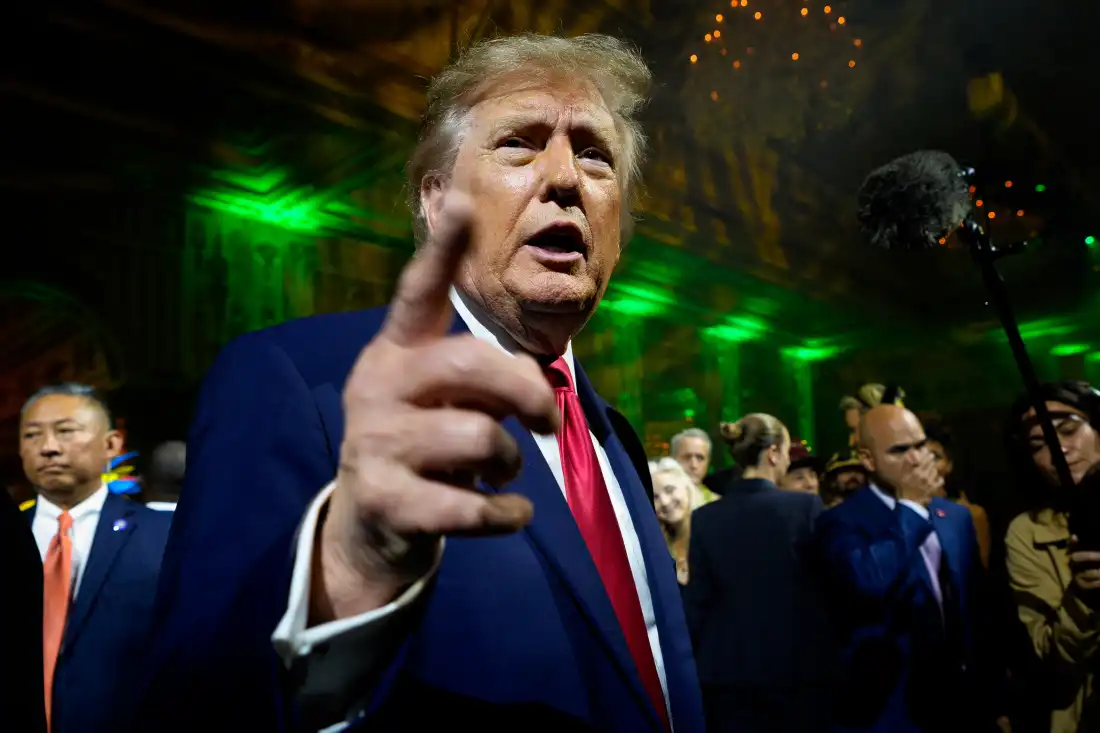
President Donald Trump addressed the media during a Halloween event at his Mar-a-Lago club on October 31, 2026, in Palm Beach, Florida. Elected in 2024, Trump vowed to reduce prices, but many voters hold him responsible for continued inflation and rising costs. His approval ratings have fallen, with significant opposition intensity.
Historically, presidents receive disproportionate blame and credit for economic conditions. Trump’s choices, including a war with Iran and imposing tariffs, have contributed to higher costs for goods and energy. The economy features a distinct divide; affluent individuals thrive through wealth driven by AI investments, while average Americans grapple with inflation outpacing wage growth.
Rising interest rates are straining the ability to purchase homes and vehicles, leading to financial stagnation for many. An NPR/PBS News/Marist poll shows that 44% of respondents reported stable finances, while 38% saw deterioration. Only 15% achieved financial improvement.
Disapproval of Trump’s strict immigration policies, reduced domestic program spending, and workforce cutbacks is energizing Democrats and swing voters against his party. Historically, midterms often disadvantage a president’s party. The Republicans face unfavorable odds, given Trump’s sub-50% approval rating; the president’s party tends to lose seats under such conditions.
Democrats have shown political success during Trump’s term, with stronger performances in special elections and wins in 2025. The Iran conflict and soaring gas prices are further weakening the Republican stance, favoring Democratic gains. Forecasts suggest a Democratic victory in the House and possibly the Senate.
Challenges remain for Democrats. Structural factors, fewer competitive districts, and mid-decade redistricting bolster Republican resistance. Trump’s advocacy for GOP-led redistricting yielded Republicans an estimated eight-seat advantage.
Latinos’ votes, particularly in South Texas, may impact Republican gains. Despite Republican disadvantages, Democrats also face image issues. Democratic socialists show strong midterm engagement, largely driven by Trump’s dissatisfaction. Conflict within Democrat ranks appears imminent with upcoming presidential primaries.
The 2028 election begins shortly after midterms, an open election without past prominent figures. Early candidate announcements in January or February may occur.
Nothing is certain until results finalize. Republican turnout will be crucial. Trump’s appeals to his base aim to counter potential Democratic gains. A small Democratic pickup may transform into larger Senate gains with strong turnout. Despite surprises, failing to win the House would indicate significant polling errors.
Most races conclude on election night, but some pivotal outcomes might remain uncertain for days, affecting Senate control. Trump is instituting narratives about rigged elections, continuing past patterns. Previous false fraud allegations fueled events like the January 6 Capitol breach.
NPR polls reveal broad confidence across parties in fair elections, yet 25% of Republicans may challenge outcomes, risking misinformation if races remain undecided. Trump’s influence has negatively impacted GOP prospects. Ads featuring him peaked during primaries but plummeted post-primary.
Republican candidates privately acknowledge Trump’s dual impact—essential for base appeal but detrimental with swing voters. Polls suggest waning support among previous Trump voters amid economic stress and war involvement, factors contrary to Trump’s 2024 assurances.
Trump and his party face obstacles despite inevitable claims of unfairness, but dramatic majority gains for either party appear unlikely. Collaboration remains necessary to achieve significant policy progress.