Abdul El-Sayed Addresses Detroit Residents’ Concerns
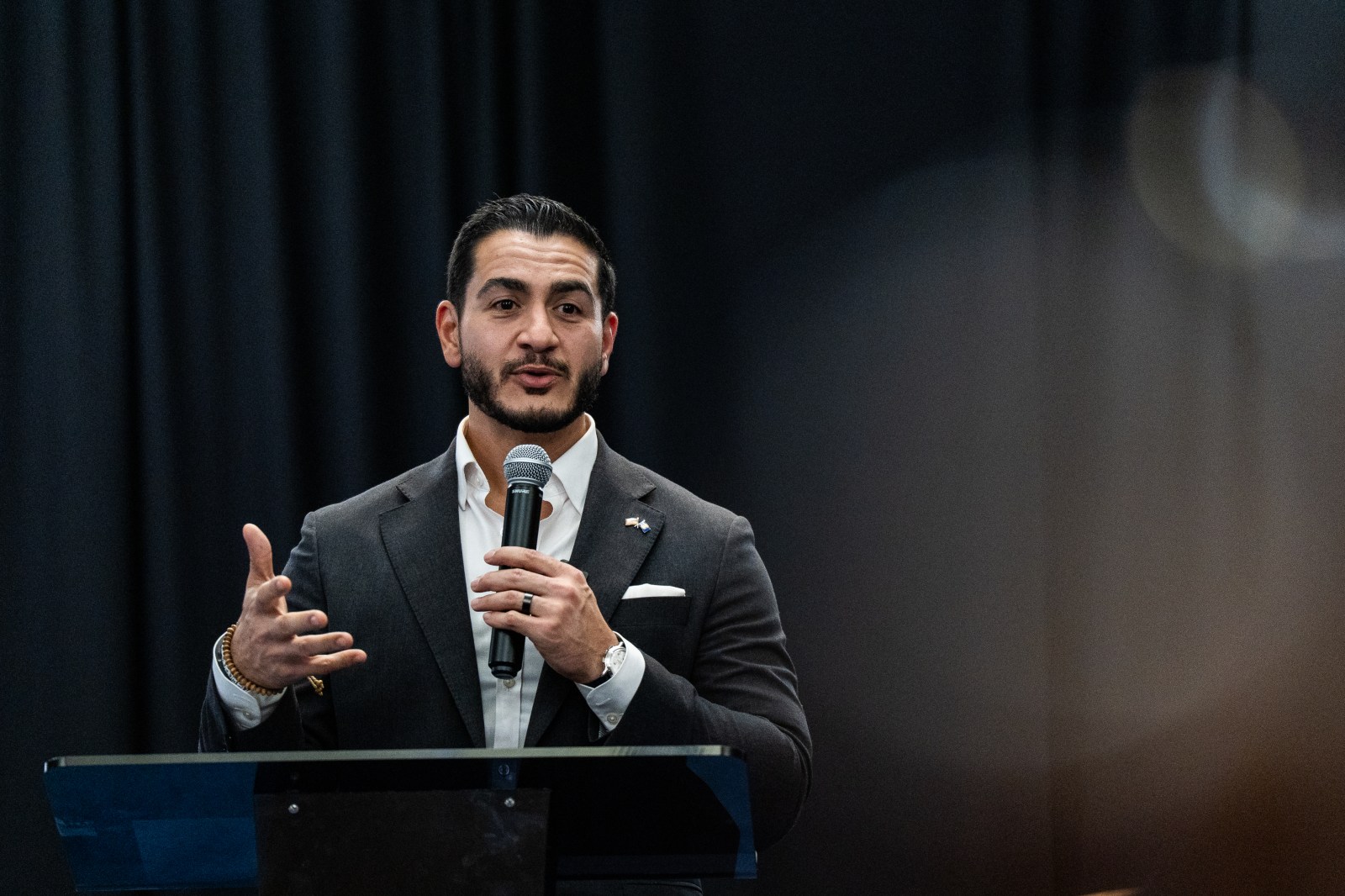
Democratic U.S. Senate candidate Abdul El-Sayed expressed understanding for any concerns Detroit residents might have about him due to his background. He emphasized his desire to be judged based on his character. His remarks followed former Democratic contender Haley Stevens shifting her endorsement from El-Sayed to Republican Mike Rogers. El-Sayed highlighted his consistent messaging in the pursuit of Michigan’s open U.S. Senate seat, critical for the Democrats to reclaim the Senate.
El-Sayed has been targeted by Republican critics, who focus on his Muslim faith and label his views as extreme. Addressing Detroit’s community, he acknowledged past negative interactions some might have with people resembling him, such as incidents in local stores. He urged the public to assess him on his character and aimed to unite communities within the Senate.
Political Endorsements and Reactions
Haley Stevens, a current House representative, clarified that her endorsement of Rogers is not rooted in anti-Muslim sentiment. Publicly, she and El-Sayed have disagreed on Israel’s military actions in Gaza, which local health officials claim have caused significant casualties. News outlets reached out to both El-Sayed and Rogers for comments after Stevens’ Sunday announcement.
Muslim Population in Michigan
Michigan boasts a substantial Muslim population, approximately 241,828, about 2.4% of the state’s total population. Predominantly concentrated in Wayne County and metro Detroit, particularly Dearborn, these communities feature significant Arab American and Middle Eastern heritage. Historical migration patterns have roots in the early 20th century, with successive waves from areas like Iraq and Yemen bolstering the population’s presence.
In recent years, the political landscape shifted, evidenced by President Biden securing 68.8% of Dearborn’s votes in 2020. However, Trump gained ground in subsequent elections amid opposition to Biden’s policies on Gaza, indicating a notable swing among Muslim voters.
El-Sayed and other Muslim American politicians have faced challenges over their views on Israel. El-Sayed described Israel’s actions in Gaza as genocidal and opposes U.S. military aid to the country. While Jewish groups and opponents have criticized him, he counters antisemitism and Hamas violence, distinguishing criticism of Israel from bias against Jewish people.
Stevens’ Political Strategy
Stevens, initially supporting El-Sayed, announced her vote for Rogers amidst critique from Democrats. El-Sayed remarked he focused on the broader voter base beyond Stevens. Labeling Rogers a proxy for Trump, he urged voters to prioritize defending democracy and health care over disagreements on secondary issues.
When questioned about potential antisemitism, Stevens publicly criticized El-Sayed’s affiliations, alleging antisemitic actions, despite acknowledging Democratic goals to hold Trump accountable. Her move garnered Trump’s approval, who praised her in Iowa and on Truth Social.
Polling and Democratic Hopes
To retake control of the Senate, Democrats must secure the Michigan seat and flip additional states. Recent polls depicted El-Sayed with a significant lead, achieving 53% support compared to Rogers’ 42%. Despite some polling variance, El-Sayed maintained steady leads throughout the election cycle.