Evolving College Admissions at Skidmore College
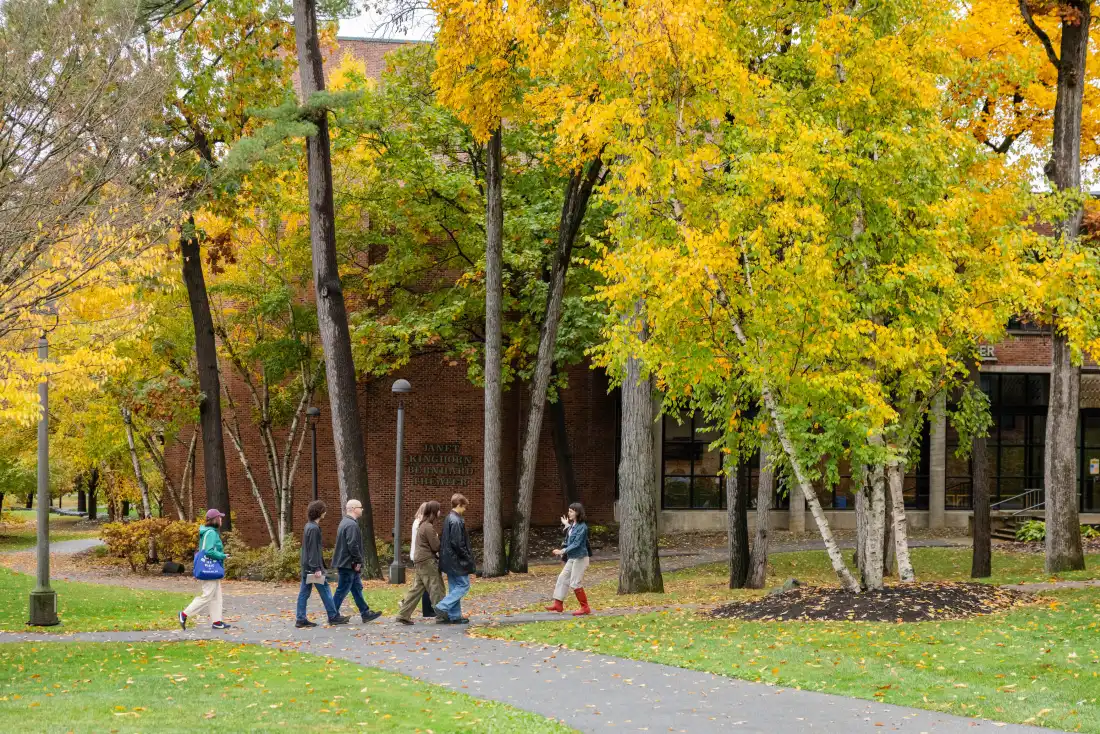
Prospective students and their families are engaging in campus tours at Skidmore College in New York. This gives them a firsthand experience of college life.
SARATOGA SPRINGS, N.Y. — Alex Zaret, a 17-year-old high school senior, described his college admissions journey as overwhelming. During a visit to Skidmore College, which marked the fourth school on his list, he noted the demanding nature of the process. His father, Owen, echoed this sentiment, emphasizing the workload involved in researching, visiting schools, and completing applications and financial documents. He stated, “It’s a lot, especially with two working parents and a highly active high school student.”
The Zarets noticed a shift in the admissions process over their year-long experience. Owen initially sensed an “ivory tower” approach, implying privilege for those admitted. Now, he perceives a welcoming environment as colleges appear to be saying, “We want you to be here.”
Skidmore, like many colleges, aims to transform admissions from a daunting, secretive process into one that is open, friendly, and easier. Marc Conner, the college’s president, explained that while Skidmore is not struggling with enrollment, they still prioritize attracting and enrolling students. Some institutions are waiving application fees and offering extra financial aid to attract visitors.
Public universities in 17 states and over 150 private colleges offer direct admissions to students completing the Common App, a standardized online application utilized by around 1,200 institutions. The general acceptance odds are rising. Colleges like Skidmore are enlisting faculty for student recruitment. Faculty are opening labs and classrooms to prospective and admitted students, creating a sense of being valued and belonging, according to Jess Ricker, vice president for enrollment.
“It creates a feeling of being seen, valued and finding a place of belonging,” Jess Ricker said.
Two-thirds of admissions leaders struggled to meet their enrollment targets in recent years. Competition is expected to increase as the traditional-age freshman supply declines by 13% over the next 15 years, as projected by the Western Interstate Commission for Higher Education. The Bureau of Labor Statistics highlights a decrease in high school graduates choosing college, from 70% in 2016 to 63% in 2024.
Current data show that students have better odds of acceptance than widely believed. NACAC CEO Angel Pérez noted that the majority of U.S. institutions accept most applicants. In fact, nearly 8 out of 10 public college applicants and 7 out of 10 private college applicants are accepted according to NACAC. This is an increase from a decade ago, yet many young adults still wrongly believe admissions are tougher now than in their parents’ generation.
Intent competition may benefit students but challenges many colleges. Some admissions offices, including Skidmore’s, seek faculty help to overcome their historic “offices of rejection” label. At schools such as Ohio Northern University and Washington College, faculty participation in recruitment is encouraged.
More students apply to a greater number of schools than before, complicating enrollment predictions and reducing yield rates. As colleges admit more students than needed, they strive to persuade accepted students to enroll. The yield for public colleges fell from 32% in 2014 to 22% in 2024, while private college yield dropped from 24% to 18%, based on federal data.
At Skidmore, faculty involvement helps convey the college’s community ethos. As experienced by Becca Johnson, Chair of Psychology, faculty interactions often sway prospective students’ decisions. While Skidmore has seen a rise in applications and a decrease in acceptance rates, it continues to encourage community efforts, including welcoming all visitors warmly.
“It helps that we’re in a tough time in higher ed and they see what’s happening at other schools,” Marc Conner stated.
More than 75% of Skidmore’s admitted students who visit outside of scheduled open houses request meetings with faculty, adding up to 300 visits. This personal touch appears meaningful to families, as some express gratitude for faculty outreach during their decision-making process.
This narrative was published by The Hechinger Report, which highlights inequalities and innovations in education.