The Debate Over Hydroxyapatite and Fluoride Toothpaste
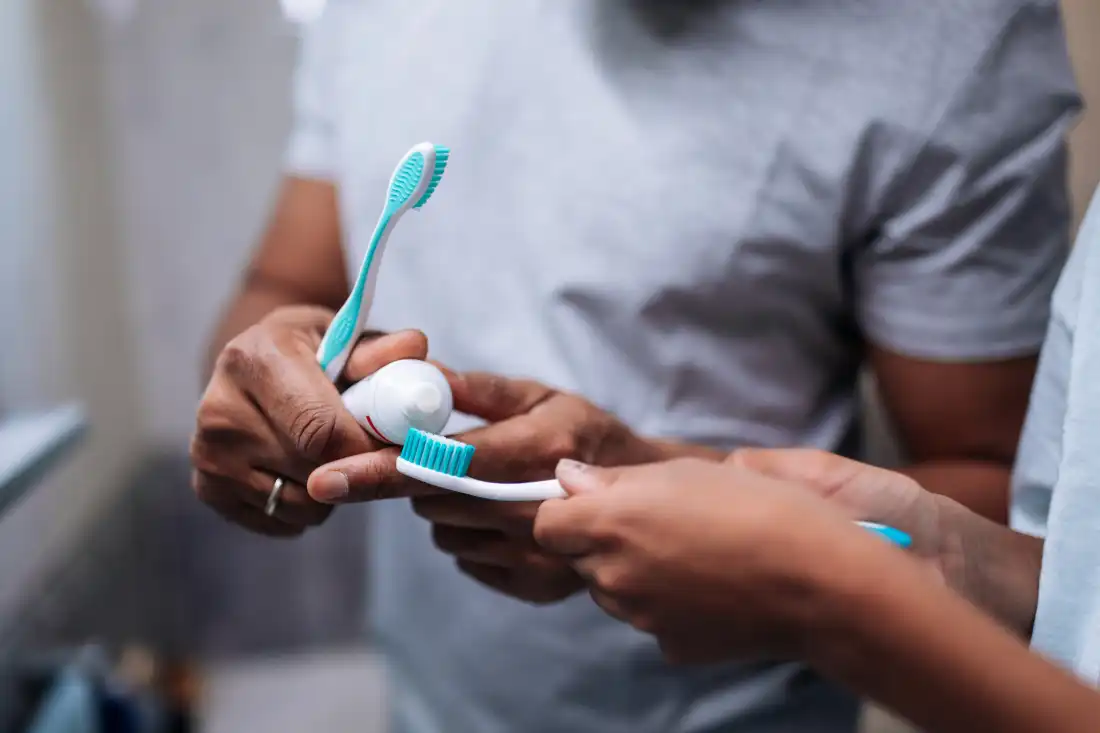
The type of toothpaste you choose and how you brush your teeth are crucial to oral health. Recently, Dr. Jin-Ho Phark, an associate professor at the Herman Ostrow School of Dentistry, noted an increase in patients inquiring about fluoride-free toothpaste options.
Rising Interest in Hydroxyapatite Toothpaste
Hydroxyapatite, a calcium phosphate mineral, is attracting attention, partly due to social media promotion. Traditional fluoride toothpastes gained popularity in the late 1950s with the introduction of Crest by Procter & Gamble. These toothpastes protect teeth from cavity-causing bacteria, a vital role given the connections between oral health and overall bodily health.
Claims About Hydroxyapatite
Some consider hydroxyapatite toothpaste for its potential to offer cavity protection and enamel strengthening without using fluoride. Although fluoride is widely regarded as beneficial, some individuals are hesitant to use it, citing historical skepticism of fluoride’s safety.
Bennett Amaechi, a professor at the University of Texas, explains that most concerns about fluoride relate to unusually high levels, far above the recommended amounts found in U.S. water supplies. Despite these concerns, many experts maintain that fluoride, in appropriate amounts, is safe and effective.
Understanding Hydroxyapatite
Hydroxyapatite is chemically similar to tooth enamel, which is primarily composed of calcium and phosphate. Early research suggests hydroxyapatite may aid tooth sensitivity and offer remineralization benefits. Nano-hydroxyapatite, a smaller particle form, is believed to penetrate enamel more effectively.
Research Findings on Effectiveness
Research on hydroxyapatite, while limited compared to fluoride, is promising. A study by Amaechi in 2021 showed that hydroxyapatite performed similarly to fluoride in preventing tooth decay among children. Another study with adult participants reported comparable results.
However, more comprehensive long-term studies are needed, especially involving individuals at high risk for tooth decay. A 2019 study showed similar effectiveness between hydroxyapatite and fluoride toothpaste in high-risk individuals over five months.
Cost Considerations and Recommendations
Hydroxyapatite toothpaste tends to cost more than fluoride options. Experts like Amaechi recommend fluoride toothpaste due to its established efficacy. Dr. Ada Cooper from the American Dental Association acknowledges the limited and varying evidence surrounding hydroxyapatite’s clinical effectiveness.
The ADA suggests maintaining good oral hygiene by brushing with fluoride toothpaste twice daily for two minutes, flossing regularly, and visiting a dentist for routine checkups.