Coastal Flooding and El Niño Impacts in Southern California
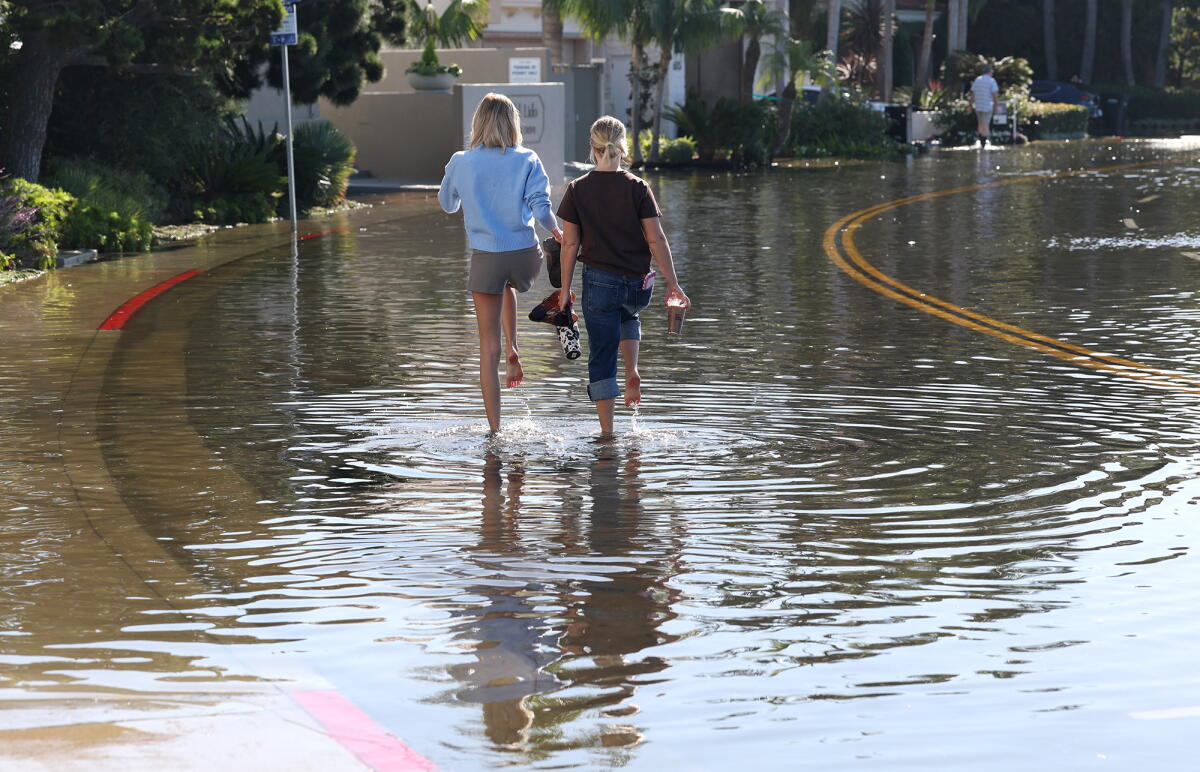
Recent coastal flooding in Southern California has highlighted the potential impacts of an El Niño winter combined with rising sea levels. Last week’s flooding was exacerbated by record-high ocean temperatures and higher-than-normal tides, factors expected to worsen in the coming months.
The flooding was significant due to these conditions:
- Record-hot ocean temperatures raising sea levels
- Moderately high tides impacting the coast
- Potential powerful storms bringing bigger waves
Data shows an average sea level increase, with San Diego experiencing levels 1.4 feet higher than expected. Los Angeles saw a rise of 1.3 feet, and San Francisco had an increase of 1.1 feet. Oceanographer William Sweet provided these figures.
New records for sea levels were set in locations like Los Angeles, San Diego Bay, and Santa Barbara, outpacing previous highs. For example, a sea level of 8.19 feet was recorded in Los Angeles, surpassing the previous record set in 2005 during an El Niño winter.
Sea levels might continue to increase with the approach of king tides around major holidays. Warmer water contributes to sea level rise, as heat expands water volume. The ocean’s temperature remains above average, impacting recent tide levels.
Dillon Amaya from North Carolina State University noted that king tides will likely result in increased flooding. The ocean’s warmth is expected to persist through at least spring, with temperatures at Scripps Pier in La Jolla recently hitting 75.4 degrees, a record high for Halloween recorded since 1916.
Flood damage has been severe, with 114 homes affected in Huntington Beach, and damage extending along the Pacific Coast Highway. Bars along beaches from Redondo Beach to Long Beach suffered flood impacts. Northern California’s Marin County reported flood levels up to 2 feet in bayside areas.
El Niño’s effects are becoming evident. Current sea levels are 1.5 feet above normal, due to warm ocean waters and Kelvin waves. These waves transport warm water from the Pacific Ocean and raise sea levels upon reaching the American west coast.
The National Weather Service warns that El Niño will continue elevating sea levels, possibly making it the strongest recorded since 1950. Kelvin waves contribute to historical sea level records along California’s coast.
Kelvin waves have been noticeable in recent weather patterns. When combined with ocean swells from storms, they can raise sea levels significantly above normal astronomical tides.
California faces additional challenges from king tides, which will be 7 feet or higher due to lunar cycles. This aligns with anticipated peaks from the lunar node tidal cycle and lunar perigee tidal cycle, impacting shoreline positions and tidal forces.
Daniel Swain, climate scientist, explained the recent high tide levels weren’t king tides but were instead above average tides enhanced by hot ocean conditions. The combination of moderately high tidal influences and extraordinary ocean temperature increases is the more significant factor currently.
This winter could preview future coastal conditions in California. Sea level rises of 8 to 12 inches have occurred, with potential further increases depending on future scenarios. These are warnings of a warmer, changed reality.
El Niño also impacts inland areas with heavy rains across Arizona and the Four Corners region. High atmospheric moisture levels relate to extreme marine heat waves and climate change, affecting weather patterns.
Report contributions from Times staff writers Jack Flemming and Stephanie Breijo.