The Complex Threats of Modern Air-Raid Systems
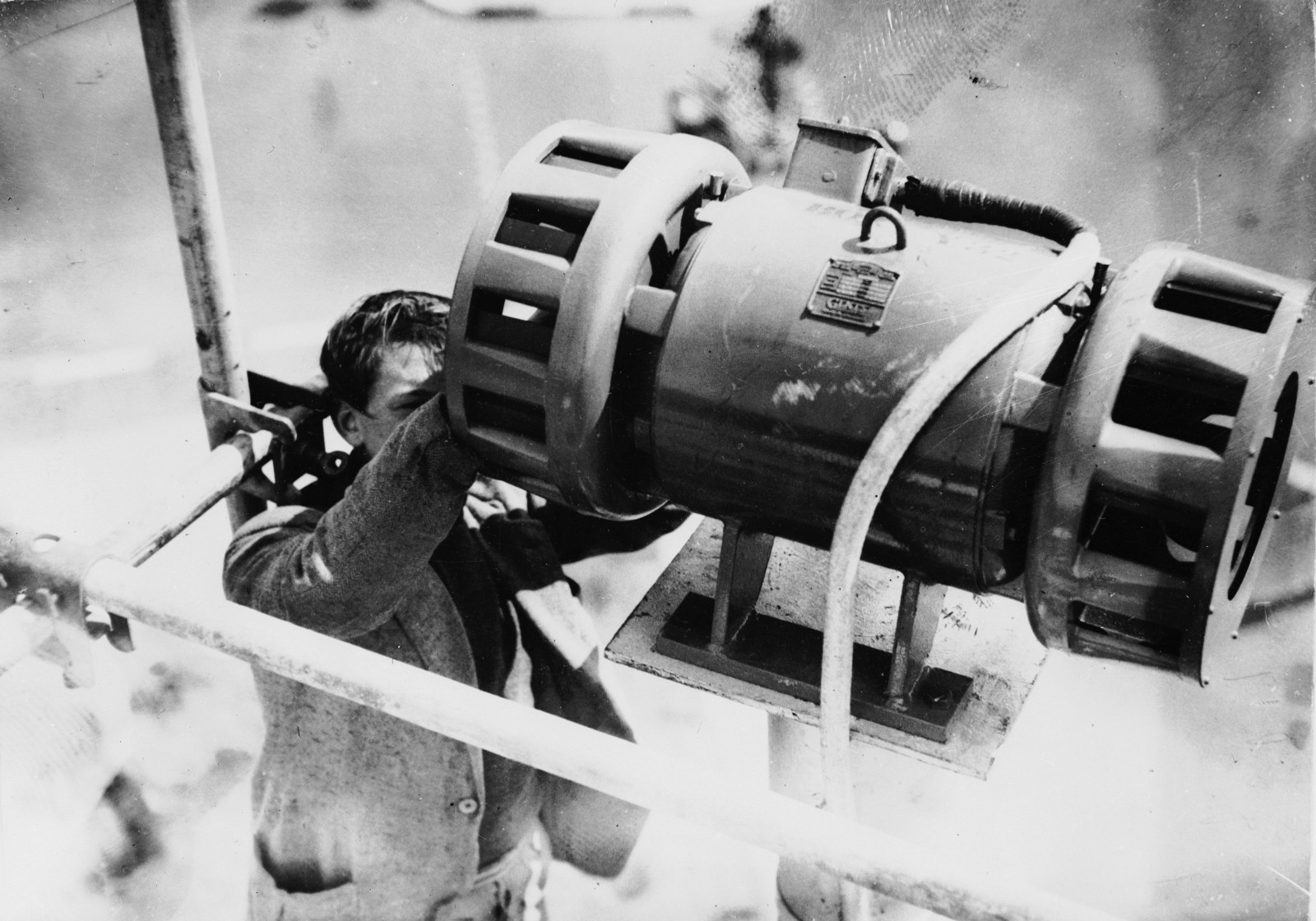
During World War II, Nazi Germany initiated a relentless bombing campaign against the United Kingdom, referred to as the Blitz. Starting on September 7, 1940, London experienced 57 consecutive nights of bombing. This campaign extended across Britain until May 1941. While Britain was unable to prevent the bombs from falling, air-raid sirens provided at least a warning for its citizens.
Currently, the situation in Russia and Ukraine presents a concerning scenario. On a recent Sunday evening, users of Ukraine’s air-alert app encountered fictitious warnings. These included alerts of radiation danger and chemical threats. One even mentioned an imminent nuclear attack involving Russia’s Oreshnik ballistic missile. The independent alert-monitoring service, alerts.in.ua, recorded 122 false alert events within just seven minutes, including 103 air-raid alerts, following a hacking attack on the app. This app is crucial, serving over 6.6 million Ukrainians by offering advance warnings of potential Russian strikes.
This hacking incident’s effects spread further as the false alerts permeated through third-party services relying on official data. Outdoor loudspeakers in Western Ukraine’s Lviv region also broadcast a fake radiation warning. Shortly afterward, Russia experienced similar disruptions.
At around 2:45 a.m. Moscow time on the following Monday, Russia’s Emergency Situations Ministry app users received alerts about nuclear warheads allegedly en route to different regions. Some messages advised citizens to gather three weeks’ worth of supplies and seek shelter in basements. Regional channels on Telegram and Russia’s MAX app echoed these messages.
The identity of those responsible for these hacking incidents remains uncertain. Whether connected or not, these events suggest a new, more unsettling phase of modern warfare. Manipulating civilian warning systems is particularly insidious, as these systems exist to alert defenseless populations, enhancing their chances of survival during potential threats.
Accurate warning systems are vital. Historical analog systems, such as those used during World War II, occasionally produced false alarms. These might have caused distress, but they did not necessarily undermine trust because citizens knew these errors were not intentional.
Now, understanding that an enemy can purposefully disrupt a warning system alters the scenario drastically. Repeated false alerts have the potential to terrorize populations, compound their existing hardships, and undermine trust in protective measures. Over time, this psychological warfare could lead to devastating physical outcomes if civilians dismiss genuine threats due to distrust.
In response to such attacks, authorities must act swiftly. For instance, Ukraine’s air-alert system temporarily shut down push notifications and suspended its app after unauthorized interference. Similarly, alerts.in.ua faced a denial-of-service attack, requiring over an hour to differentiate real alerts from false ones before removing the latter. The service eTryvoga paused automatic air-raid notifications briefly, restoring them later. The primary air-alert app returned slowly but initially lacked a real-time map of aerial threats.
Such disruptions provide more opportunities for real attacks during system downtimes. With both sides escalating aerial bombardments, Ukraine recorded over 7,700 regional air-raid alarms from July 1 to September 24, representing a 27% increase from the previous period of April to June.
In the Blitz, Londoners feared the sound of sirens due to the approaching danger. Today’s civilians must also consider that the alert itself could be a threat.