Tension Between U.S. and Oman Over Strait of Hormuz and Iranian Relations
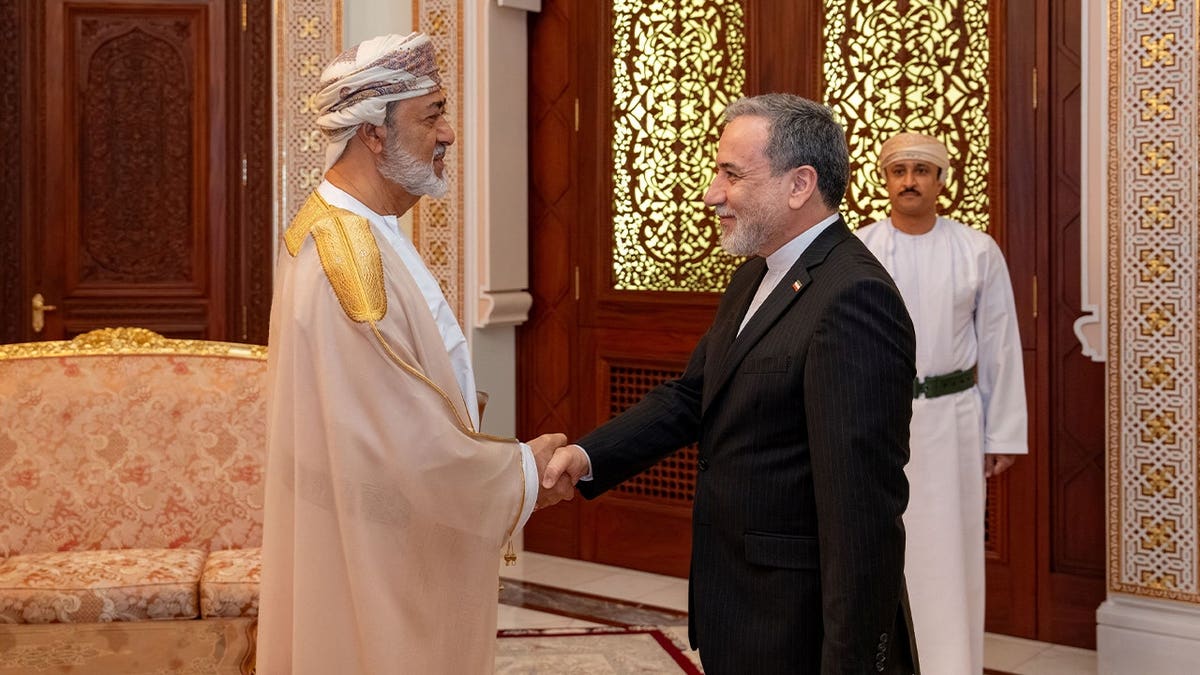
The recent comments by President Donald Trump regarding Oman have sparked considerable concern. Trump’s statement about ‘blowing up’ Oman if it fails to ‘behave’ revealed underlying tensions with a key Middle Eastern partner. This dispute arises during debates over the management of the Strait of Hormuz, a vital route for global oil shipments.
President’s Statements and Reactions
During a Cabinet meeting, Trump emphasized that the Strait of Hormuz should remain open to all, as it sits in international waters. He declared that no single nation would control it, implying that Iran and Oman might be coordinating efforts to change this status quo. Despite Trump’s aggressive rhetoric, this reflects a significant policy disagreement over the strait’s future management.
The Trump administration has opposed any potential arrangements between Iran and Oman that might involve imposing tolls or shared management of the Strait. Such moves could jeopardize the freedom of navigation and increase Iran’s influence over a critical shipping lane.
Oman’s Unique Position
Oman has long maintained communication and security ties both with the United States and Iran. It often acts as a mediator in the region, facilitating important discussions between adversaries. Omani neutrality provided a backchannel during U.S.–Iran nuclear talks and has helped foster negotiations in other conflicts, such as those involving Yemen’s Houthi rebels.
Experts like April Alley from the Washington Institute highlight Oman’s ‘Switzerland of the Middle East’ role. This position allows Oman to engage with actors that many others avoid, bolstering regional stability and U.S. diplomatic efforts.
Concerns Over Strait of Hormuz
The dispute over the Strait of Hormuz involves more than mere words. Allegations of tolling plans or administrative control by Iran and Oman provoke serious concerns among U.S. officials. If such proposals materialize, they could set precedents that threaten other international waterways.
Monetary benefits for Iran from managing the strait could threaten broader principles of navigation freedom. This scenario worries researchers and strategic analysts, as it could embolden Iran-aligned groups elsewhere.
Oman’s Broader Role and Criticism
While Oman serves as a vital intermediary, it has faced criticism for its actions beyond the current dispute. Some accuse it of overlooking issues like weapon smuggling and hosting leaders linked to terrorism. Researchers note Oman’s occasional divergence from Gulf norms can cause friction with U.S. policies.
Yet, despite recent tensions, Oman remains a critical partner for the United States. This partnership, built over a century and a half, underscores the strategic significance of maintaining a balanced and diplomatic relationship amidst broader regional conflicts.