Legal Battle Over Evanston’s Race-Based Reparations Program Intensifies
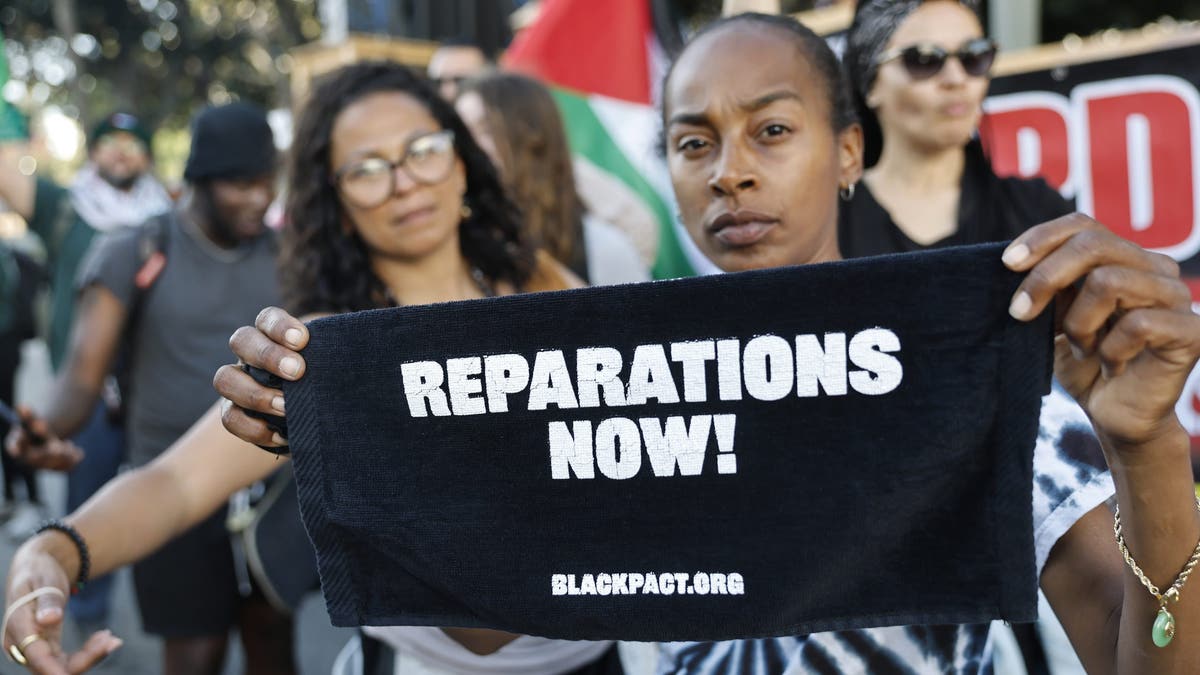
The Department of Justice (DOJ) is opposing efforts by Evanston, Illinois, to dismiss a federal lawsuit challenging its race-based reparations program. The dispute escalated after a federal judge allowed the DOJ to join the lawsuit originally filed by Judicial Watch, a conservative group.
Judicial Watch’s lawsuit claims that Evanston’s reparations program violates federal law by using race as a criterion for eligibility. The program, which began in 2019, offers $25,000 in housing-related benefits or cash payments to Black residents and their descendants who lived in Evanston from 1919 to 1969. Mayor Daniel Biss defends the initiative as a step to address the wealth gap and historical injustices.
The DOJ argues the program unlawfully distributes benefits based on race and ancestry, contravening the Equal Protection Clause of the 14th Amendment and the Fair Housing Act. The DOJ spokesperson declared, “Evanston’s race-based reparations program is illegal under federal law. We will be opposing the motion to dismiss.”
Despite the legal challenges, the city of Evanston plans to file a motion to dismiss the lawsuit. Attorney Precious S. Jacobs-Perry, representing Evanston, stated the city’s commitment to maintaining the reparations program.
Judicial Watch filed the lawsuit on behalf of six non-Black individuals with ties to Evanston during the qualifying period who are excluded from the program. Judicial Watch attorney Michael Bekesha called Evanston’s reparations “blatantly unconstitutional” and expressed confidence that both their lawsuit and the DOJ’s complaint would persist despite the city’s legal maneuvers.
Cynthia Vargas, the spokesperson for Evanston, reiterated the city’s stance: “The City of Evanston does not comment on pending litigation, but we will continue to vehemently defend any lawsuit brought against our city’s reparations program.”
The case highlights ongoing national debates about reparations and how they should be implemented. The DOJ’s involvement marks a significant federal intervention in a local program aimed at addressing historical racial disparities.