Increased Military Focus on Election Security Amid Foreign Threats
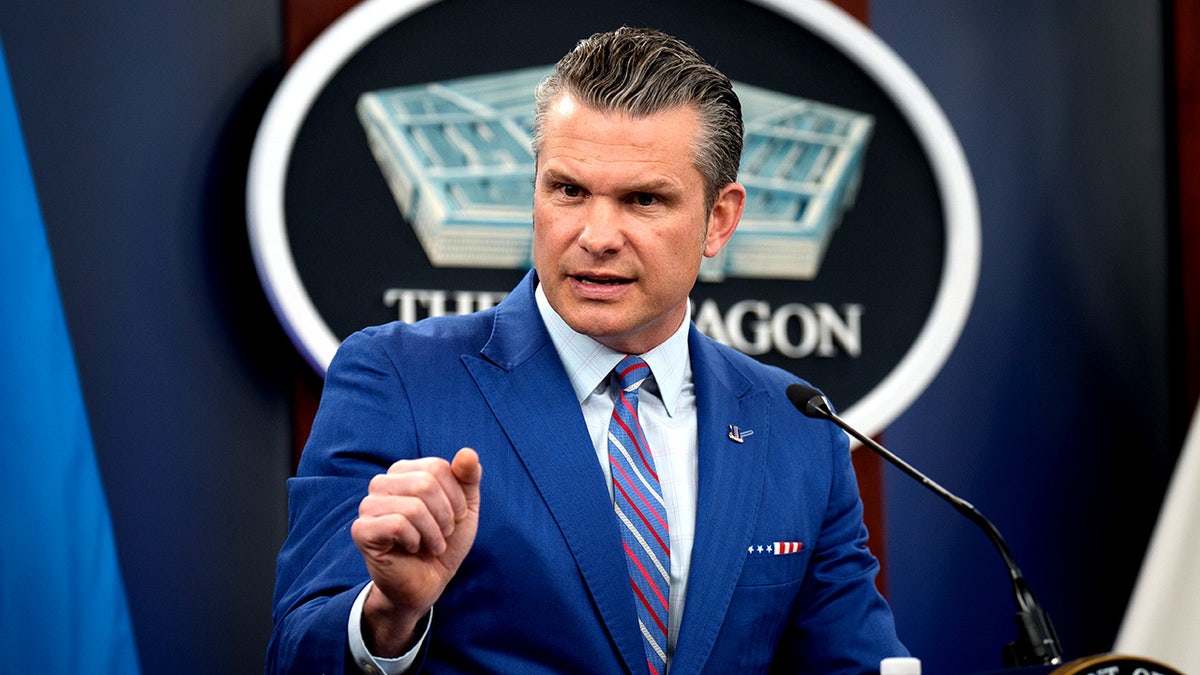
Foreign interference in U.S. elections, especially since the 2016 presidential election, has led to heightened efforts to protect the voting system. As the 2026 midterms approach, Secretary of War Pete Hegseth has directed intelligence and cyber forces to prevent foreign adversaries from meddling in the elections.
Hegseth’s directive to make election security a primary concern involves the entire Defense Intelligence Enterprise. This includes military and geospatial intelligence agencies working against foreign election threats. Over the last decade, specifically since Russia’s interference in 2016, the intelligence community has expanded its operations to secure the electoral process.
The order extends beyond the U.S. Cyber Command and the National Security Agency (NSA). It activates every authorized asset, capability, and partnership to address potential foreign threats. However, details on its implementation have not been fully disclosed.
The military intelligence agencies are responsible for identifying foreign operations targeting the U.S., alerting civilian agencies, and, when required, taking action against these threats. However, state and local officials manage the administration of elections, with the FBI and Department of Homeland Security handling domestic issues.
The focus on election security is not new. These agencies have consistently countered foreign threats, such as those from Russian actors. This strategy became formalized before the 2018 midterms with the creation of a ‘Russia Small Group’ that evolved into an Election Security Group combining NSA’s and Cyber Command’s capabilities.
In 2022, election security was deemed an ‘enduring, no-fail mission’ by Gen. Paul Nakasone, a sentiment Hegseth echoed. By the 2024 presidential election, the structure for election security remained active, although its exact form for the current midterms wasn’t confirmed.
Current Cyber Command and NSA head Gen. Joshua Rudd indicated that foreign interference is expected based on past patterns. He affirmed readiness to respond to election threats. Despite these efforts, no new authorities or organizations were publicly announced, but ongoing commitment to the mission is clear.
U.S. intelligence officials report no evidence of physical tampering with voting systems. However, foreign influence and disinformation campaigns, primarily from Russia, China, and Iran, continue to be monitored. Such activities could impact U.S. policy and public opinion without directly involving physical election infrastructure.
Official briefings indicate targeted disinformation efforts from Russia and more focused influence operations by China. The Pentagon’s strategy concentrates on foreign threats, with domestic election security managed by civilian agencies and local governments.
Hegseth’s directive underscores the priority of overseas mission engagements within the intelligence community in the lead-up to Election Day, although additional resources or changes have not been confirmed.