Embracing Art Deco: A Multifaceted Style
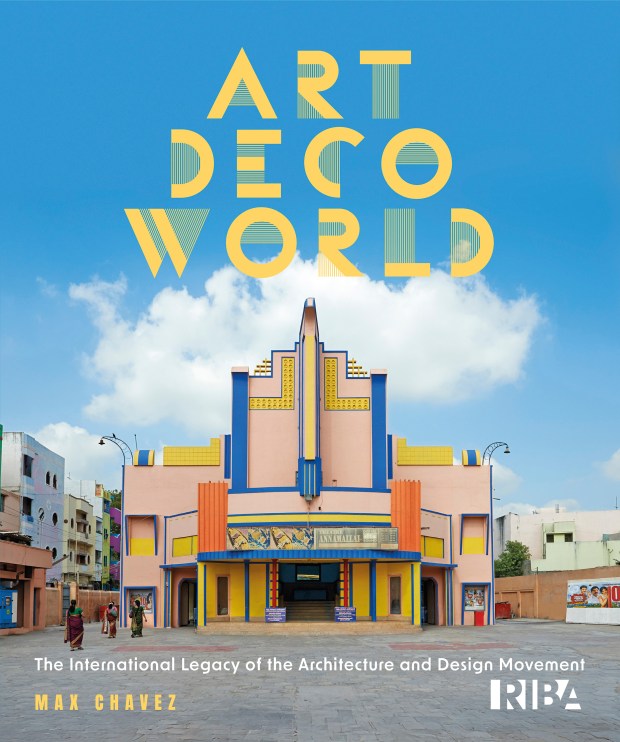
Mid-century modern designs may be ubiquitous in home decor today, but a century ago, Art Deco was the formidable style. Emerging in the early 20th century, Art Deco brought energy to architecture, design, and art. A new book, ‘Art Deco World,’ spanning 218 pages by Chicago architectural historian Max Chavez, explores this fascinating style.
The term ‘Art Deco’ originates from the French ‘arts décoratifs.’ Its first major showcase was at the 1925 Exhibition of Modern Decorative and Industrial Arts. People sought modernity beyond the Victorian era’s dark aesthetics. As Chavez notes, Art Deco stemmed from a fascination with technology and industry.
In its initial phase, Art Deco was marked by bold geometric patterns and vertical emphases, seen in buildings like Chicago’s Carbide & Carbon Building and New York’s Empire State Building. These skyscrapers embodied engineering marvels, with Art Deco amplifying their innovation.
Chicago is home to numerous Art Deco landmarks, including the Civic Opera House and the Chicago Board of Trade building. Chavez explains Art Deco’s design excess mirrored the thriving economics of the 1920s, and was synonymous with Hollywood’s brightness and optimism post-World War I. Materials like steel, glass, and gleaming metals reflect this vibrant period.
Chicago’s strongest Art Deco examples are often found beyond downtown, like in the First Church of Deliverance in Bronzeville. Originally a hat factory, it was transformed into a church, featuring Art Deco elements with striking terra cotta façade and glass block windows.
Chavez’s book also highlights the 1933 Chicago World’s Fair, ‘A Century of Progress,’ embodying Art Deco’s marriage of technology and modern life. Temporary structures like the Electric Building featured designs blending various inspirations, from Egyptian to Assyrian-Babylonian.
A lost Art Deco piece is John Warner Norton’s mural, ‘Gathering the News,’ once in the Chicago Daily News building. Issues like costly restoration led to its uncertain fate.
Art Deco resurged in the 1970s with historian Bevis Hillier popularizing the term. Through exhibitions and literature, Hillier demonstrated Art Deco’s cultural value, countering previous perceptions as kitsch.
The style’s revival continued in the 1980s, shown in media like ‘Miami Vice.’ Its architecture and design embraced Art Deco’s opulence, coinciding with economic excess of the era.
Despite its previous popularity, Art Deco struggles for contemporary resurgence due to shifting preferences like IKEA’s cost-effective designs. Chavez notes simplified Art Deco furniture lacks the style’s original richness.
Chavez urges exploring Art Deco’s many facets. Not solely for the wealthy, this style permeated middle-class life in the 1930s-40s with accessible designs. Gas stations and neighborhood buildings often exuded Art Deco charm.
Reflecting futurism and optimism, Art Deco may contrast today’s sentiments but remains a complex style. Chavez hopes his book encourages readers to appreciate Art Deco’s diverse identities and find beauty in subtle examples throughout cities.