Supreme Court Faces Crucial Case on Religious and Disability Accommodations
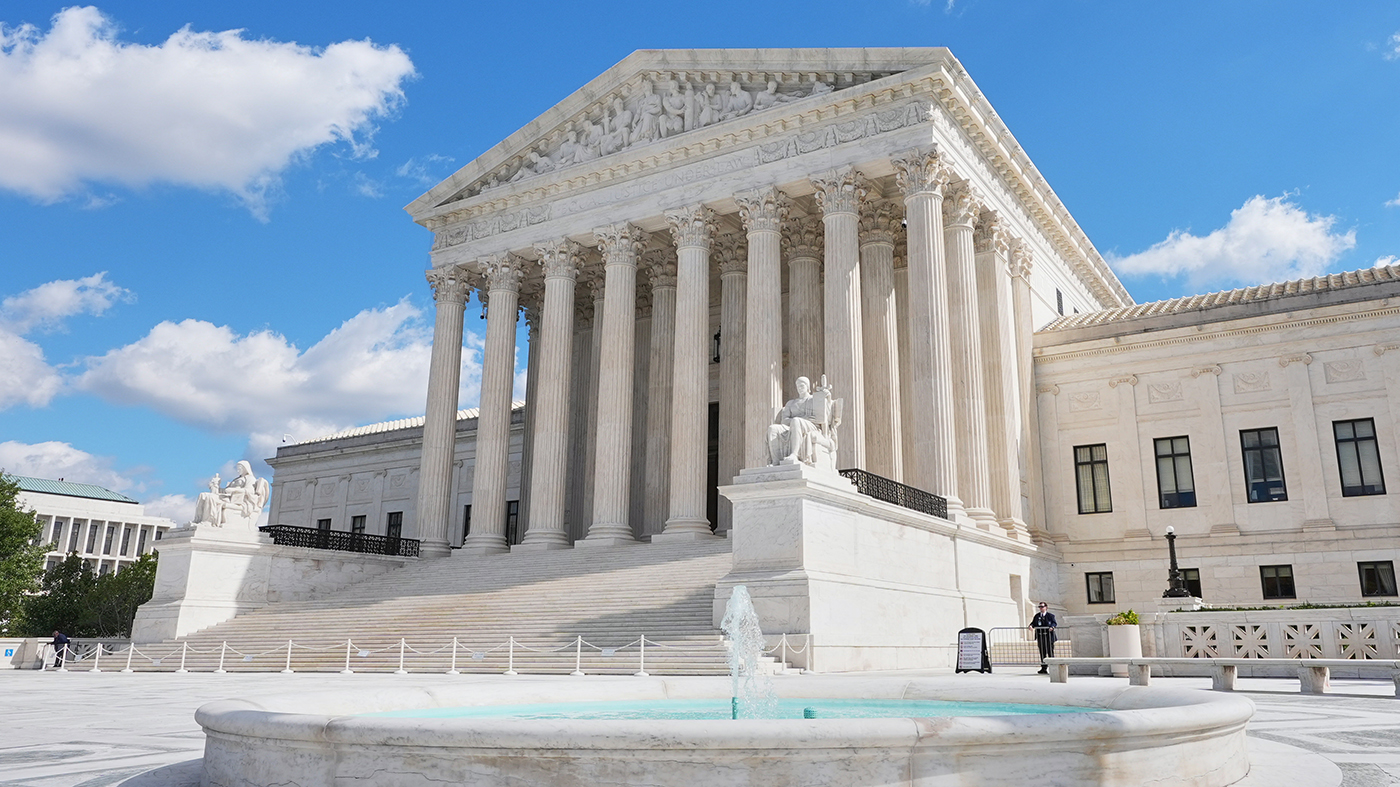
The Supreme Court recently engaged in deliberations about a significant case concerning religious and disability accommodations, spotlighting the experiences of individuals like Laura Wolk Slavis. As a blind appellate lawyer, Slavis reflects on the importance of accommodations in her professional and personal life. Her journey underscores the significance of enabling equal opportunities through accommodating disabilities.
Slavis, connected to the case by her law firm, the Becket Fund for Religious Liberty, brought forth the issue of religious accommodations. The case, St. Mary Catholic Parish v. Roy, examines whether Colorado’s exclusion of Catholic preschools from a tuition assistance program contravenes the principle of religious freedom. The program offers around $6,300 per year for preschool-aged children, yet denies participation to schools prioritizing religious beliefs.
Slavis highlights a noteworthy parallel between disability and religion. Colorado permits funding for schools that accommodate children with disabilities, criticizing the exclusion of schools serving students with specific religious beliefs. She argues that this differentiation unjustly penalizes religious practice, drawing unnecessary boundaries between the physical and spiritual limitations individuals face. As a Catholic, Slavis emphasizes the parallel between her unchangeable physical limitations and religious convictions.
Historically, American society has evolved to meet the needs of those with disabilities and religious beliefs. The Declaration of Independence emphasized equality and the inherent rights granted by nature and divine providence. Legal scholar Michael McConnell asserts that accommodations are essential for equitable treatment.
Examples of accommodations in different contexts illustrate this principle. For individuals with disabilities, ramps or Braille signage are common, while religious accommodations may include recognizing dietary restrictions or religious observances. Such measures have been integral in honoring dignity and ensuring participation in societal roles, even during wartime or periods like Prohibition.
“Accommodations are not favors. They are essential to uphold human dignity.”
Slavis criticizes Colorado’s selective recognition of dignity, supporting certain groups while neglecting religious communities. Despite the state’s provision for deaf or blind children, it denies similar support for Catholic families, leading to the closure of Catholic preschools and reducing choices for these families.
The debate underscores the principle that human dignity should transcend personal biases, acknowledging the rights of all citizens, including those with differing beliefs. Religious accommodations should be viewed as fundamental rights, mirroring the necessity of disability accommodations. Colorado must honor the dignity and rights of all its residents, validating diverse beliefs and practices.
Laura Wolk Slavis serves as counsel at the Becket Fund for Religious Liberty, advocating for these principles.