Concerns Over Trump’s Potential Refusal to Accept Midterm Results
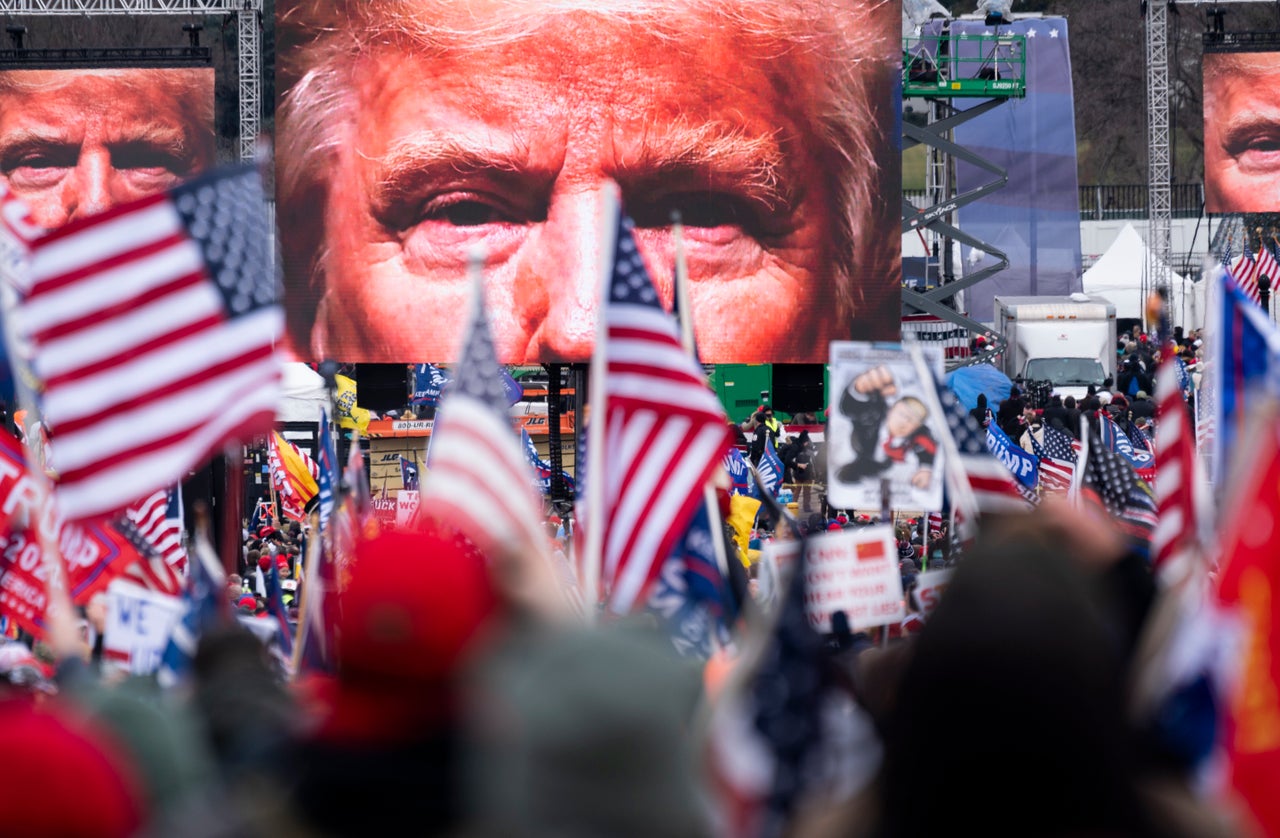
As the midterm election results unfold, many wonder about a key issue: what actions might Donald Trump take if he refuses to accept them?
Legal experts remind us that the Constitution does not allow a president any direct role in state-run elections. However, others highlight its lack of provisions for barring Trump from inciting violence, as seen when he spurred an attack on the Capitol following his 2020 election loss.
Ty Cobb, former lawyer in Trump’s White House Counsel’s office, commented, “The depths of his authoritarianism cannot be overestimated.” He noted Trump’s willingness to ignore legal and constitutional boundaries, making real violence a possibility.
Since returning to office, Trump has shown tendencies to stretch or ignore laws. Actions like deploying unidentified federal agents in cities and launching a military campaign against Iran without Congressional approval raise concerns over his disregard for legal processes.
Regarding midterms, fears peak over using illegal tactics to prevent Democratic wins. Reports suggest Trump might consider martial law and he regrets not seizing ballots in 2020.
Democracy advocates emphasize the courts’ tendency to uphold laws against such tactics. Norm Eisen, a lawyer from Obama’s Presidency, voices confidence in overcoming any sabotage attempts, stating, “Our democracy and the rule of law will prevail.”
Stephen Richer, former election official, discusses firsthand experience when Trump supporters armed with weapons aimed to disrupt vote tabulation post-2020. He reflected on this, saying, “My imagination is bounded by a belief in American exceptionalism.”
Trump’s attempt to overturn the 2020 election was thwarted by officials refusing allegiance to him over constitutional duty. Yet, concerns continue with Trump-first loyalists filling key positions. Republican insiders worry, saying, “The serious people are all gone.”
Lies about U.S. election integrity underpin Trump’s political career, starting as early as 2016. His claims of fraudulent results in several elections, unsupported by evidence, fueled skepticism.
Doubts intensified in 2020 amid ongoing mail-in ballot accusations. Post-election, despite recounts and court losses, Trump continued spreading falsehoods, asserting, “There was no question he was stoking violence.”
The violence on Jan. 6, spurred by Trump, resulted in numerous physical injuries and multiple deaths. Yet, Trump did not denounce the words leading to this unprecedented assault.
Nearing two years post-resumption, Trump maintains fraudulent claims. Comments like, “Right now the elections are rigged like nobody’s ever seen,” exemplify ongoing deceit.
Stephen Richer, now with Cato Institute, cautions potential abuse of presidential power in light of likely Republican midterm losses. He reiterates the importance of legal checks and balances.
Walter Olson, fellow Cato scholar, states optimism regarding American democracy hinges on inviolable rule of law. A breakdown requires societal mobilization.
Republican insiders stress the importance of figures like Senate Majority Leader John Thune and House Speaker Mike Johnson in preventing further chaos.
Thune previously certified election results, while Johnson played a role in legal challenges supporting Trump. The insider speculates, “If Mike Johnson loses the House, maybe he goes out as a statesman.”