Judge Sets Notification Requirements for Trump’s Memorial Arch Plans
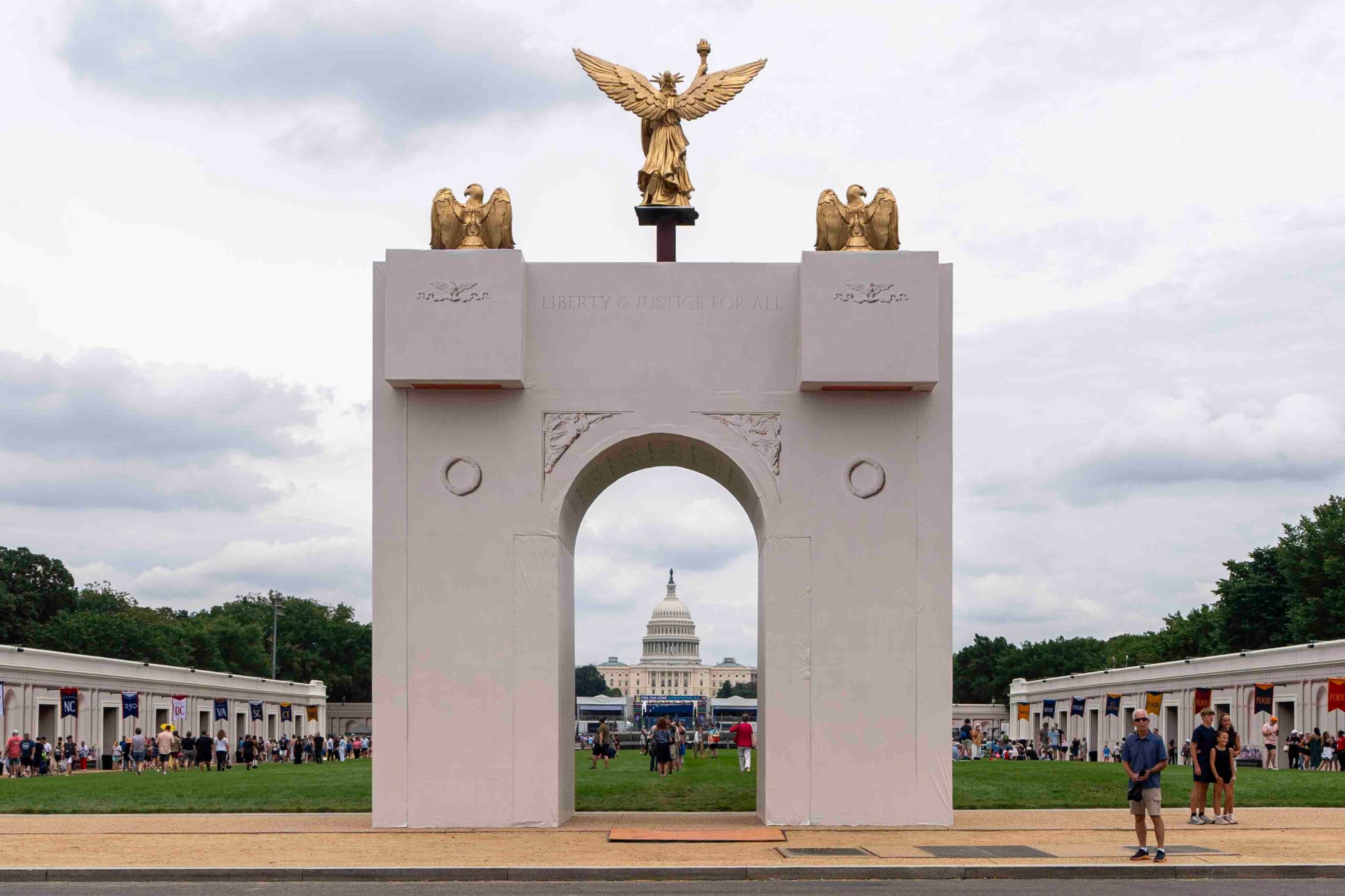
Washington, D.C. — U.S. District Judge Tanya Chutkan has mandated strict notification protocols for President Donald Trump’s administration concerning the construction of a proposed triumphal arch on the National Mall. The decision complicates efforts to proceed with the project.
The judge ordered that she must be informed within an hour of any decision by the National Capital Planning Commission regarding the arch. Similar time limits apply to the National Park Service and the Department of the Interior. These steps are part of the administration’s outlined process leading to a potential start of construction following approval, intended for November 5, 2026.
“Defendants shall also provide notice within thirty minutes of any activity related to or in preparation for the construction of an arch on Memorial Circle,” stated Chutkan, cautioning against any premature construction or demolition without proper authorization.
Chutkan’s ruling comes amidst active litigation. Three Vietnam veterans and an architectural historian had previously filed a lawsuit challenging the arch’s construction, followed by a separate lawsuit from the District of Columbia and Virginia seeking a temporary restraining order. The judge has consolidated these cases and established a joint briefing schedule.
The government’s detailed plan envisions a colossal structure over 12 stories tall, featuring a large bronze statue of Lady Liberty. The arch will include an observation deck and various other amenities like offices, staircases, elevators, and a fire command center. It will also involve rerouting traffic in nearby roads and serve national security purposes.
During a recent hearing, Chutkan questioned the urgent need for the project. Administration lawyer Robert Stander emphasized its high priority status, noting that judicial intervention would hinder the government’s operations.
This arch is one of several initiatives by Trump in Washington D.C., including renovations to public spaces and speculation over changes to iconic locations.
Charles A. Birnbaum, President of the Cultural Landscape Foundation, argued that the administration faces the judiciary’s oversight and cannot disregard it as they have the public.