Poland Boosts Security Amid Kaliningrad Concerns
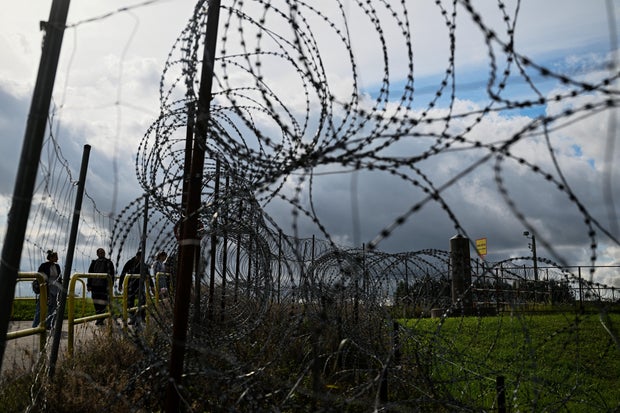
Poland has initiated an extensive security operation along its border with Kaliningrad, a Russian exclave. National police chief Marek Boroń stated that this operation will continue until at least November 8. The move follows warnings from Polish and allied intelligence about potential sabotage and provocations during early November.
New deployments include police, counterterrorism units, and elite military forces from the GROM unit. These forces focus on guarding the northeast regions of Warmia-Masuria and Podlaskie, where security alerts were already heightened.
Prime Minister Donald Tusk highlighted the importance of rapid response in maintaining border security.
The Polish Prime Minister reported suspect activities near Kaliningrad, mentioning individuals with flashlights near the borders. He credited the swift action of Polish forces for preventing the possible provocations. Although specific details are not confirmed, intelligence suggested potential threats to EU security, including armed intrusions.
To enhance coordination, a command center has been established at the national police headquarters. The main objectives are public safety, early detection of suspicious activities, and protection of critical infrastructure.
Kaliningrad, an exclave bordered by Poland, Lithuania, and the Baltic Sea, is strategically and militarily significant. There’s a belief that Russian intelligence agencies, including FSB and GRU, operate there.
The Suwałki Corridor, a crucial land link for NATO’s Baltic states, lies east of Kaliningrad. This corridor connects NATO’s Baltic members with the rest of the alliance, while sharing borders with Russian and Belarusian territories.
Currently, there are no specific published details of threats originating from Kaliningrad. However, warnings follow months of European incidents, attributed mainly to Russia, like sabotage and air incursions.
Last month, during a joint conference with Lithuania, Tusk discussed heightened concerns of sabotage threats. This was after conversations with NATO Supreme Allied Commander Alexus Grynkewich.
Similarly, British MI5 head Sir Ken McCallum emphasized growing European security threats, noting Russia’s role in hybrid warfare. He warned Russia against actions that could provoke NATO’s collective defense response, known as Article 5.
Recent incidents in Europe, attributed to Russia, include an August fire in a Polish military factory and a September arson attack on a Starlink ground station. Additionally, Russian drones have repeatedly crossed into NATO airspace amidst the ongoing Ukraine conflict.
This week, the UK Royal Navy intercepted a Russian spy ship near Scotland’s Hebrides islands during a NATO exercise.