Russia and Ukraine’s Stakes in the U.S. Midterm Elections
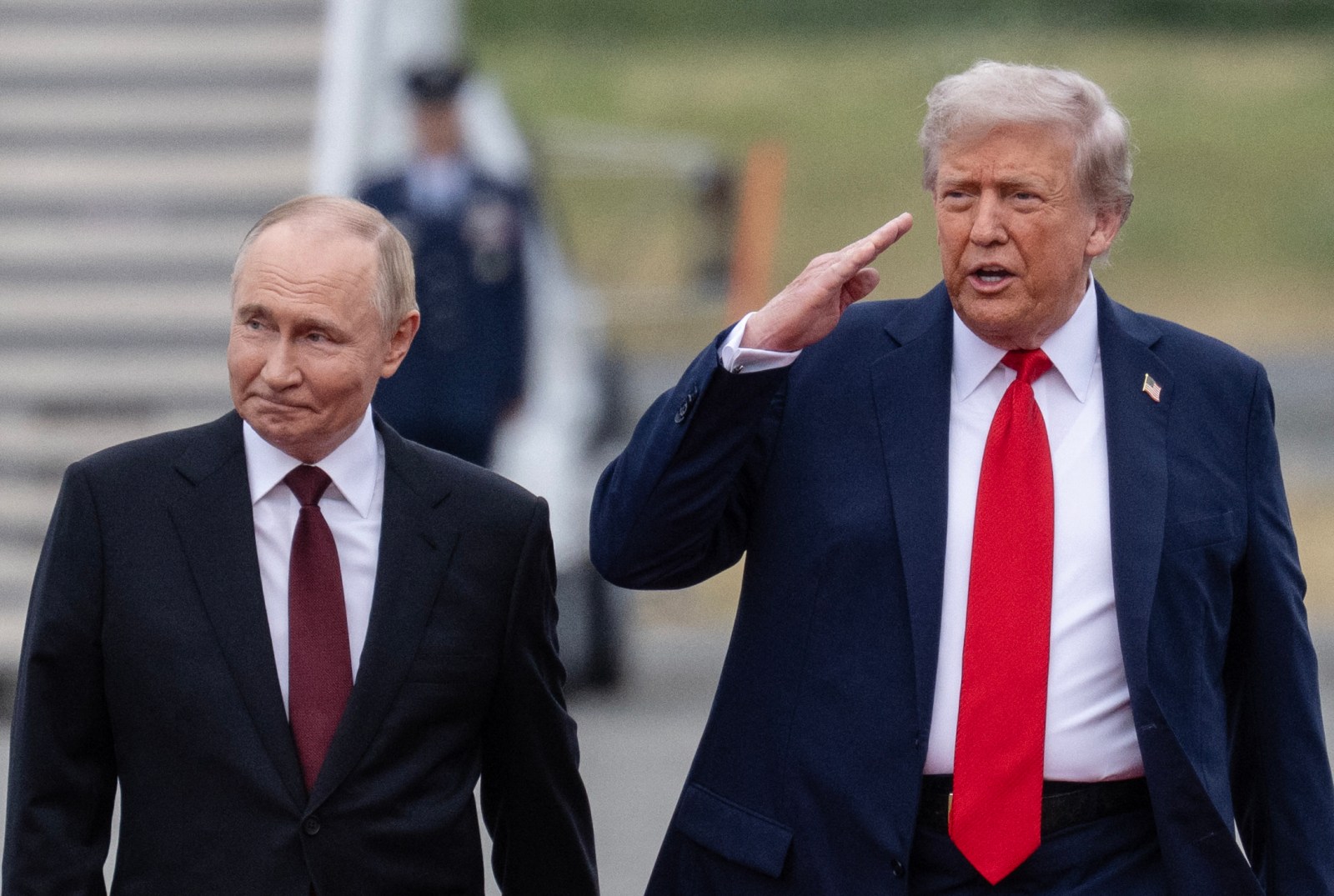
As the U.S. moves toward critical midterm elections, interests from Russia and Ukraine come into focus. The ties between President Donald Trump and Vladimir Putin provide Moscow with potential benefits, such as easing sanctions and fostering economic connections. On the other hand, Ukraine’s leader Volodymyr Zelensky navigates a landscape where U.S. pressure on Russia diminishes, while support for Ukraine faces restrictions.
What Do Moscow and Kyiv Want?
Negotiations will occur in Abu Dhabi next week, and a possible White House meeting initiated by Melania Trump prompts questions about the preferences of Moscow and Kyiv concerning the midterms. Examining these desires unveils complexities beyond simple partisan affiliations.
Moscow’s Perspective
Russian authorities see advantages in the Republicans maintaining congressional power, especially regarding sanctions relief. Alexander Shokhin, head of Russia’s Union of Industrialists and Entrepreneurs, noted potential challenges for Trump without congressional control.
Shokhin expressed hopes for lifting sanctions on the Russian Direct Investment Fund. The Kremlin has already engaged in discussions about easing restrictions on this fund. Kirill Dmitriev, head of the fund, has criticized Zelensky for undermining Republicans by suggesting an energy ceasefire.
Though Moscow benefits from Republican control, Putin’s official stance remains neutral. Spokesman Dmitry Peskov highlighted Trump’s continuity in shaping foreign policy, regardless of election outcomes. Sergei Ryabkov, Deputy Foreign Minister, stated that no major improvement is expected due to entrenched bipartisan anti-Russian sentiments.
Ukraine’s Position
President Zelensky interacts with U.S. Congress with caution, seeking bipartisan support rather than framing his stance in partisan terms. Zelensky voiced appreciation for congressional backing while urging continued military and defense aid.
Zelensky actively seeks Republican cooperation. Recently, he engaged with bipartisan delegations, promoting air defense support and fostering dialogues with experienced lawmakers.
Oleksandr Merezhko, Foreign Affairs Committee Chairman, articulated a strategy aimed at creating cross-party support in Congress. Denys Sienik, Ukraine’s senior diplomat, underlined a priority to maintain bipartisan backing in upcoming legislative interactions.
Ukraine has lost several Republican allies due to departures from Congress, impacting its leverage. The challenge remains to find lawmakers capable of influencing Trump effectively. Democratic strengths alone won’t suffice; Ukraine requires strategic allies who can resonate with the presidency.
Overall, while Russia and Ukraine have clear congressional preferences, they each face unique diplomatic challenges. Moscow continues to court presidential support, while Ukraine seeks to solidify bipartisan friendships capable of advancing its interests.