Supreme Court Examines Colorado’s Preschool Program Exclusion of Catholic Schools
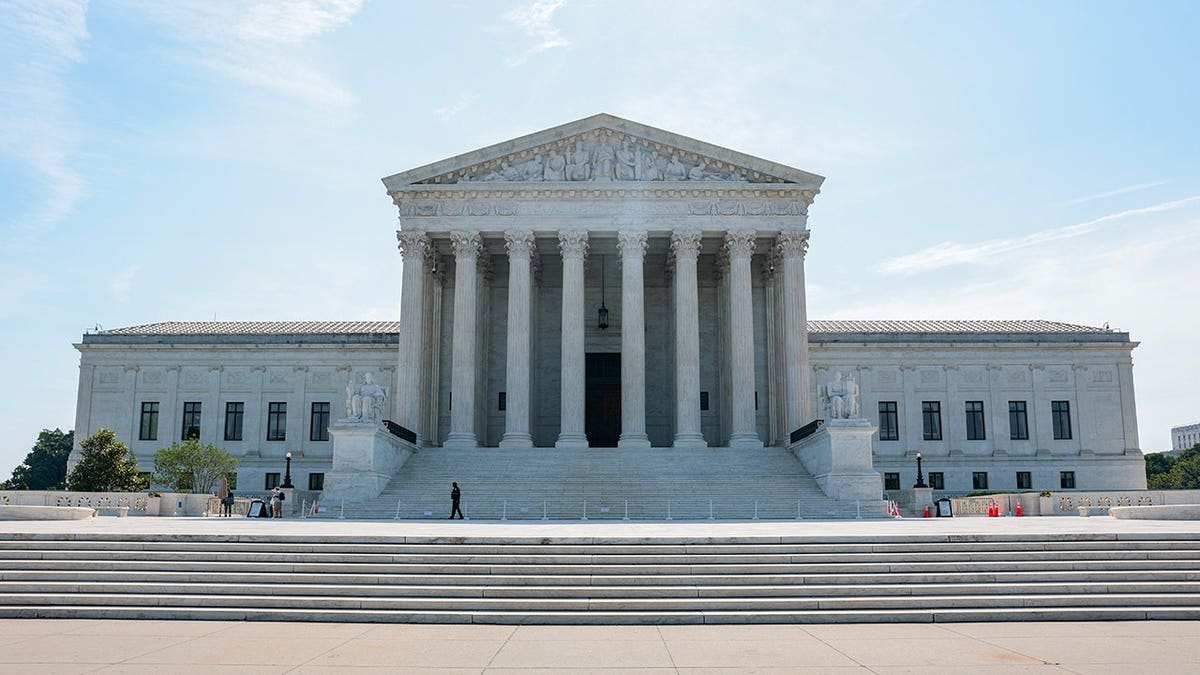
The U.S. Supreme Court is reviewing a case involving Catholic preschools in Colorado, focusing on a taxpayer-funded preschool program alleged to violate religious rights. These institutions claim exclusion by the state due to their religious teachings.
At the heart of the issue is whether denying admission to children of LGBTQ+ parents leads to discrimination and if this justifies the denial of public funds. This is one of several religious rights cases originating from Colorado recently.
During a vigorous two-hour oral argument, the justices explored religious freedom versus equal opportunity for gay and lesbian parents. Justice Sonia Sotomayor challenged the exclusion of LGBTQ+ families, highlighting the choice should lie with them. She expressed concern over public money subsidizing schools that can reject children based on their identity.
Justice Brett Kavanaugh suggested there might be a way to accommodate both religious beliefs and the rights of LGBTQ+ parents without creating unnecessary conflict. He pointed out opportunities for both parties to find suitable schools without infringing religious rights.
“Why not seek the win/win?” Kavanaugh posed, urging a resolution respecting both religious liberties and LGBTQ+ rights.
Colorado’s Universal Preschool Program, established in 2020, mandates equal opportunity for all children, irrespective of various personal identities. Two Catholic parishes challenged this, claiming the policy targets beliefs about same-sex marriage.
The Archdiocese manages preschools with admission based on Catholic ideology, seeking exemptions from the law they view as discriminatory. The Trump administration backed religious plaintiffs, but Colorado states the public benefit condition is neutral.
The state offers $6,300 per child annually for preschool services, funded by a tobacco tax. Officials assert religious schools must comply with nondiscrimination laws, akin to requirements for low-income and disabled children.
The Supreme Court’s ruling may address a 36-year-old precedent that religious practices are not exempt from broad laws. Previous court focus emphasized separation of church and state. Yet, recent trends show support for religious free exercise claims.
Conservative justices leaned toward religious exercise arguments, with Justice Amy Coney Barrett examining the practical implications for Catholic schools.
Justice Elena Kagan emphasized previous court decisions that ensured religious institutions are treated equally but not necessarily better or differently.
Chief Justice John Roberts questioned whether current claims mirror past cases where laws overtly discriminated against religious schools. He suggested Colorado’s law might apply uniformly.
The case, involving St. Mary Catholic School among others, raises concerns for individuals like Erika Nagle, who faced denial of preschool funding due to her Catholic faith.
“We are being excluded from this benefit because we are Catholic,” Nagle shared, illustrating the impact of policy decisions on her family.
The Becket Fund argued severe consequences of exclusion, noting a 20% drop in enrollment and closure of two preschools.
Colorado asserts many religious preschools continue participation under the program, provided they adhere to general conditions.
The case, St. Mary Catholic Parish v. Roy, awaits a decision next spring.