Johannesburg’s Water Crisis: Causes and Solutions
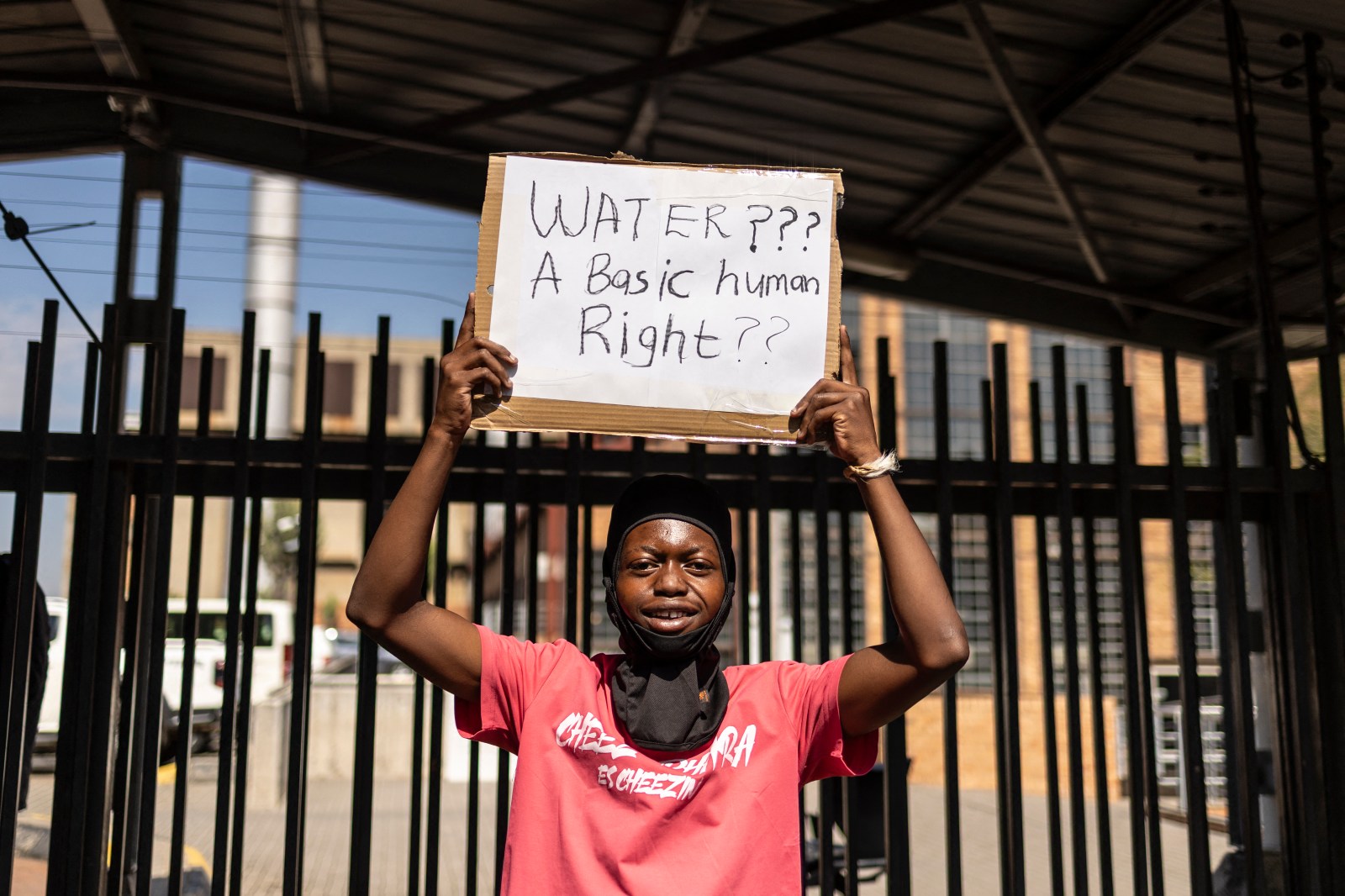
Johannesburg faces a severe water crisis as residents often experience more than a week without running water. This situation is deeply affecting the daily lives of roughly 6.2 million people living in the city.
Authorities have proposed new restrictions, including supply cuts in certain areas to manage the situation. The crisis has gained significant attention on social media, with a post by Polymarket about the issue receiving over 8 million views.
Residents are struggling to cope with the shortages. One story shared by Bloomberg highlights the plight of 59-year-old Sharlene Smith, who crosses gang-filled areas to gather water from a church or mosque for her elderly mother. Businesses are also impacted. A local coffee shop owner told The Star that he spends an entire day’s earnings to refill his backup tank.
Craig Sheridan, a professor leading water research at the University of the Witwatersrand in Johannesburg, explained the problem to Newsweek. “There is a lot of water in our dams,” he said. “The problem lies in the major constraints in delivering that water through the system to people’s taps.”
Sheridan noted that pipes, reservoirs, and water towers, crucial for storage, have not been properly maintained, exacerbating the situation as demand has soared.
Mike Muller, former director general of water affairs in South Africa, added that although Johannesburg’s dams are full, the city loses over 30% of its supplied water due to leaks within the distribution network.
Johannesburg Mayor Dada Morero addressed the crisis, mentioning Monday’s water storage levels had risen slightly from 37% to 41%. He outlined plans for Johannesburg Water to acquire a fleet of trucks for delivering water to informal settlements, which are predominant around the city.
Understanding the Network’s Challenges
Johannesburg’s unique geography lacks direct access to a river. The city’s supply relies on transporting water from dams to treatment plants, then pumped to municipal storage before reaching homes.
Sheridan highlighted that maintenance of thousands of kilometers of pipes has been “negligible,” with reservoirs and towers in disrepair. He remarked that the backlog in maintenance is beyond the city’s current budget capacity, leading to a reactive approach instead of preventive solutions.
He warned of real supply constraints without another dam usable until 2028 or 2029, noting it’s likely the last large dam possibility due to limited space in South Africa and neighboring countries.
Geography Associate Professor Anja du Plessis from the University of South Africa confirmed that despite sufficient water, a significant amount is lost through leaks. Power outages further complicate the movement of water through the network.
Addressing Distribution Issues
Johannesburg Water has issued “Level 1” restrictions since September, limiting watering gardens and swimming pools during specific hours. More intense restrictions have been proposed, including mandatory hose spray nozzles and utilizing treated wastewater for road construction.
Sheridan emphasized that reducing leaks through maintenance should be the primary focus. He estimated this could provide 30-40% more water than the city currently receives.
He also called for citizen involvement in conserving water and a review of billing systems to incentivize reduced consumption.
The political situation further complicates matters with coalition governance in Johannesburg since the ANC lost its majority in 2016.
All major political parties involved in upcoming elections have put the issue high on their agendas, prioritizing the repair of city infrastructure.
Johannesburg Water continues efforts in leak detection, pipe repairs, and infrastructure improvement, urging residents and businesses to reduce water use to aid in system recovery.