Abdul El-Sayed Makes History as First Muslim Elected to U.S. Senate
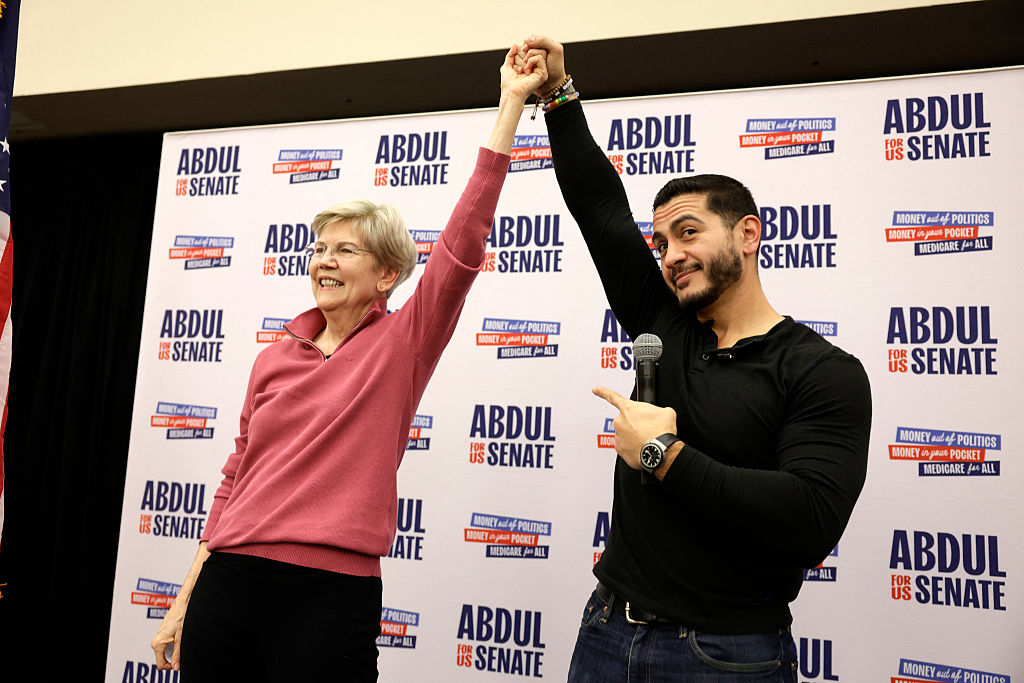
Historic Win in Michigan Senate Race
Dr. Abdul El-Sayed, a progressive Democrat with a background in public health, has secured a victory in Michigan’s Senate race, as reported by The Associated Press. This achievement marks him as the first Muslim to be elected to the United States Senate. His win ensures the seat remains with Democrats, countering Republican efforts to disrupt the Democratic momentum seen in this year’s midterm elections.
The race was highly competitive following Senator Gary Peters’ retirement at the end of the current Congress. Peters, a Democrat, had been a significant figure in a state often considered a battleground, given President Trump’s narrow two-point win there in 2024.
A Significant Political Shift
El-Sayed, 42, is the son of Egyptian immigrants and grew up in suburban Detroit. His election signifies both a milestone in American politics and a notable shift within the Democratic Party. Known for his outspoken critique of Israel, El-Sayed has advocated for a progressive agenda, aligning with a growing number of left-leaning Democrats who saw success this election cycle. Unlike other progressive victories in traditionally Democratic strongholds, El-Sayed won in a tightly contested statewide race.
This victory also challenges the notion, held by some moderate Democrats, that progressive candidates are not viable in battleground states. Despite facing a divisive campaign, El-Sayed rejected the socialist label and persevered through heavy spending by pro-Israel groups, even experiencing a dramatic rift with primary opponent Representative Haley Stevens, who endorsed his rival, Mike Rogers, shortly before the election.
Campaign Dynamics and Challenges
The campaign’s final weeks became contentious. Prominent Republicans like Trump used Islamophobic tropes, labeling El-Sayed a threat to national security. He faced backlash over association with controversial figures and criticism stemming from his stance on Israel.
Trump falsely claimed El-Sayed was linked to the Muslim Brotherhood, suggesting his election would lead to terror threats in the U.S. Such rhetoric highlights his prominence as a Republican target this cycle. Rogers, former chairman of the House Intelligence Committee, also shared claims about El-Sayed’s ties to the Brotherhood, which El-Sayed has vehemently denied.
Personal attacks recalled earlier doubts El-Sayed faced, such as an encounter with former President Bill Clinton, who suggested a political career despite El-Sayed’s concerns over his name’s feasibility in politics.
A Journey Shaped by Public Health and Advocacy
El-Sayed’s path to the Senate reflects his varied background. A University of Michigan graduate, Rhodes Scholar at Oxford, and Columbia medical degree holder, he has not pursued medicine traditionally. Instead, he served as an epidemiology professor and led public health efforts in Detroit and Wayne County. In 2018, he unsuccessfully ran for governor, drawing hopeful comparisons to former President Barack Obama.
His Senate campaign became a referendum on President Trump amid falling approval ratings in Michigan. A New York Times/Siena University poll in September showed only 34% of likely voters supported Trump’s performance. El-Sayed framed the race as a choice against Trump, urging voters to reject Rogers, connected closely to the President.
Despite Rogers attempting distance from certain Trump policies, like tariffs, the broader negative Republican atmosphere proved challenging. His defeat indicates backlash against Trump affected Michigan, which had crucially supported Trump’s presidential win.
El-Sayed’s Progressive Vision
El-Sayed promoted a bold progressive platform: Medicare for All, increased taxes on the wealthy, and reducing corporate influence in politics. His campaign linked economic issues with the dominance of wealthy interests over ordinary citizens’ concerns.
His opposition to Israel formed a core part of his campaign. In Michigan, home to significant Muslim and Jewish communities, his stance resonated differently amid recent tensions following events like the 2023 Gaza conflict. Arab and Muslim activists voiced dissent against Biden’s Israel stance, influencing El-Sayed’s candidacy for Senate.
The election amplified divisions on Israel, with groups like AIPAC actively opposing him, while some Jewish voters viewed his rhetoric as contributing to local hostility, noting incidents like the attack on a synagogue. El-Sayed later apologized for perceived comments rationalizing violence.
Unifying Democrats Amid Division
El-Sayed’s primary win over Stevens resulted in complex efforts to consolidate Democratic support, amidst criticism about antisemitism among his backers and tensions over campaign messaging linked to Israel policy.
Stevens’ eventual endorsement of Rogers intensified intra-party conflicts, highlighting divergent views on Israel and broader Democratic values. The endorsement sparked debate over Democratic coherence heading into the election.
El-Sayed’s win raises questions on accommodating the growing progressive faction challenging traditional Democratic leadership. His victory may become a central element in discussions about the future direction of the Democratic Party as it confronts ongoing debates over foreign policy, economic inequality, and wealthy donor influence.