Trump’s Unpredictable Campaign Leads to GOP’s Defeat
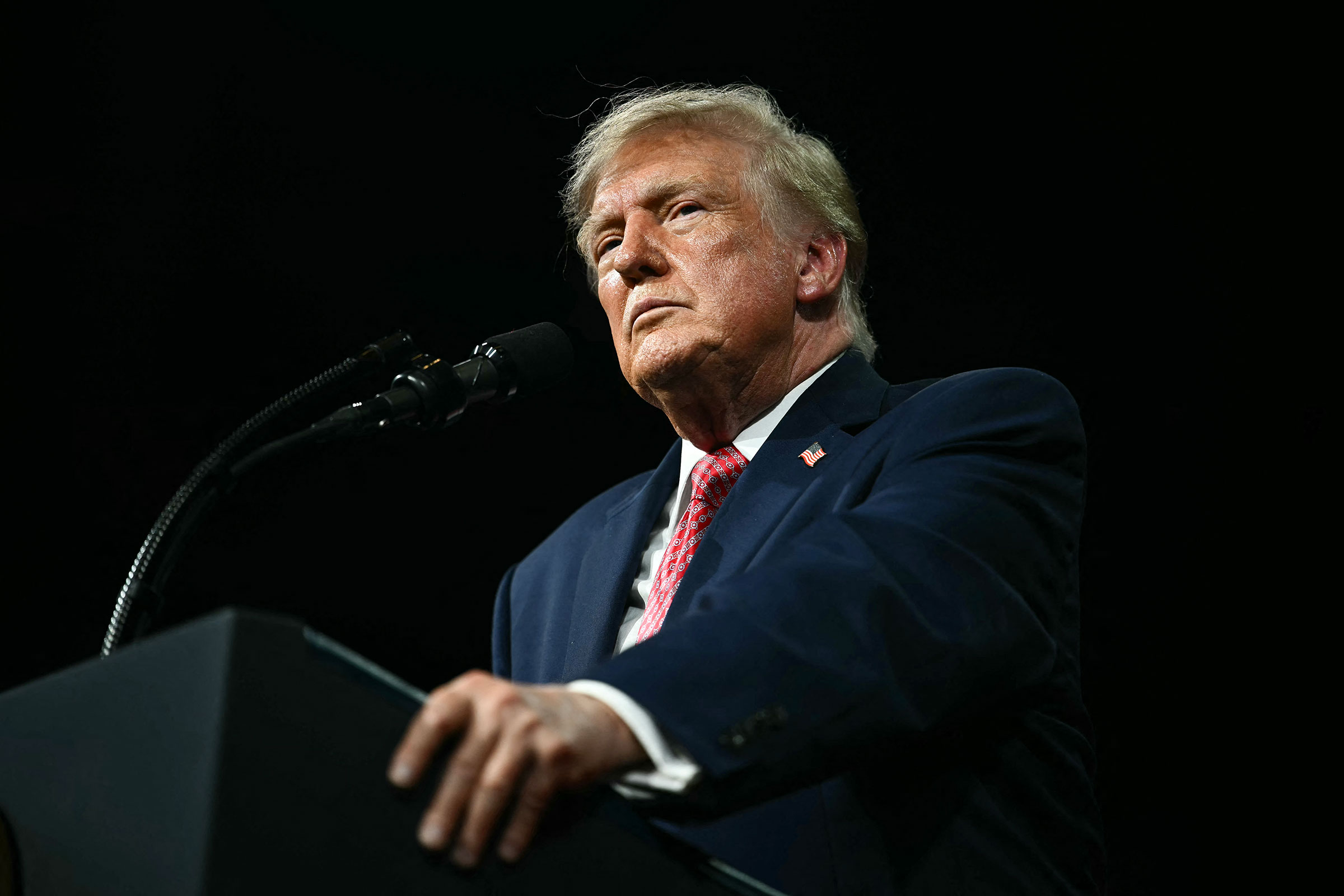
On the eve of a crucial election, President Donald Trump visited the Lincoln Memorial Reflecting Pool. This site had witnessed a failed renovation under his oversight, leaving its new surface peeling and algae spoiling the water. Amid rising grocery costs, gas prices, and a new conflict in the Middle East, aides wanted him to address issues pressing on average Americans. Instead, Trump spoke for 53 minutes about construction projects, largely ignoring national challenges.
Trump’s inability to remain on message during his national tours perplexed his allies. He frequently veered off-topic, discussing the wealth of oil companies amid energy struggles and making unusual suggestions, such as renaming New Mexico and bizarre critiques of political opponents.
The results of the election were overwhelmingly in favor of the Democrats. They took control of both the House and Senate. Strong victories were achieved in traditional Republican strongholds and gerrymandered districts. Even candidates personally chosen by Trump, like Ken Paxton in Texas and Darlene Graham in South Carolina, suffered defeats.
Trump acknowledged the Democratic victory and admitted the war in Iran contributed to his loss. Despite claiming the U.S. had a great economy, he acknowledged the public’s focus on gas prices, attributing the issue to Iran.
Trump viewed the midterm outcomes as a natural historical trend. Previous Presidents, like Barack Obama and George W. Bush, had faced similar setbacks. Trump lost several House seats in 2018 and saw the loss of Congress seats as inevitable. His advisors claimed he had difficulty seeing beyond historical patterns to influence the election’s direction.
Yet, Trump loyalists believed his hold over the Republican Party might weaken. An NBC News poll indicated that 43% of voters used their votes to express disapproval of Trump. The loss could lead to a different dynamic for Trump during the rest of his presidency.
Entering the latter half of his term, Trump’s focus might shift more toward foreign policy. There is potential to increase activity in the Western Hemisphere, especially in regions where China and Iran are known competitors.
Despite experiencing new limitations on his executive power, Trump insiders believe he will become more bold and unyielding. A close ally warns not to expect a softer Trump, viewing these years as the start of a new phase.
As midterms approached, Trump’s involvement seemed minimal despite a substantial campaign war chest. He eventually approved spending efforts to support the Republicans’ Senate control fight. His Chief of Staff Susie Wiles and others urged more active campaigning, resulting in an ambitious tour across numerous competitive districts.
But even as he resumed his rallies, Trump frequently strayed from prepared messaging. At events across the country, he praised supporters for aggressive behavior and mocked his own followers’ loyalty.
In an effort to reach diverse voters, Trump brought celebrities like athletes and musicians to his stops. This included appearances by Baltimore Ravens players, Todd Gurley, Jake Paul, and Nicki Minaj. Despite these efforts, many Republicans, closely tied to Trump, faced backlash.
There were concerns ethics watchdogs raised when Trump promised $5,000 checks to voters if Republicans controlled Congress, interpreting it as an attempt to buy votes. Staffing changes within his administration further compounded controversies.
The Republican defeat, despite Trump’s campaign efforts and nearly half a billion dollars from allies like Elon Musk, highlighted a significant backlash against his administration. Voters were frustrated with gas prices, conflict in the Middle East, and the Administration’s handling of controversial issues.
The election results sent a strong message requesting change. As Trump’s second presidency phase begins, challenges arise. The divided government will bring new investigations and possible impeachment proceedings. Confidence remains among his allies that Trump can frame these pursuits as political persecution.
Within the White House, personnel turnover is anticipated. There may be an increased reliance on loyalists. Discussions within the administration suggest a readiness to confront Democratic challenges head-on.
However, Trump faces a potentially groundbreaking political landscape. Constitutionally barred from running again, next steps involve considering the post-Trump Republican future. Vice President J.D. Vance will navigate establishing his own position while maintaining Trump’s endorsement.
This shift could strain the Republican coalition as Trump’s influence wanes. As support from figures like Tucker Carlson and Marjorie Taylor Greene diminishes, questions arise over whether fear and loyalty can sustain Trump’s party dominance.