Democrats’ Midterm Win Sparks New Push for Student Loan Policies
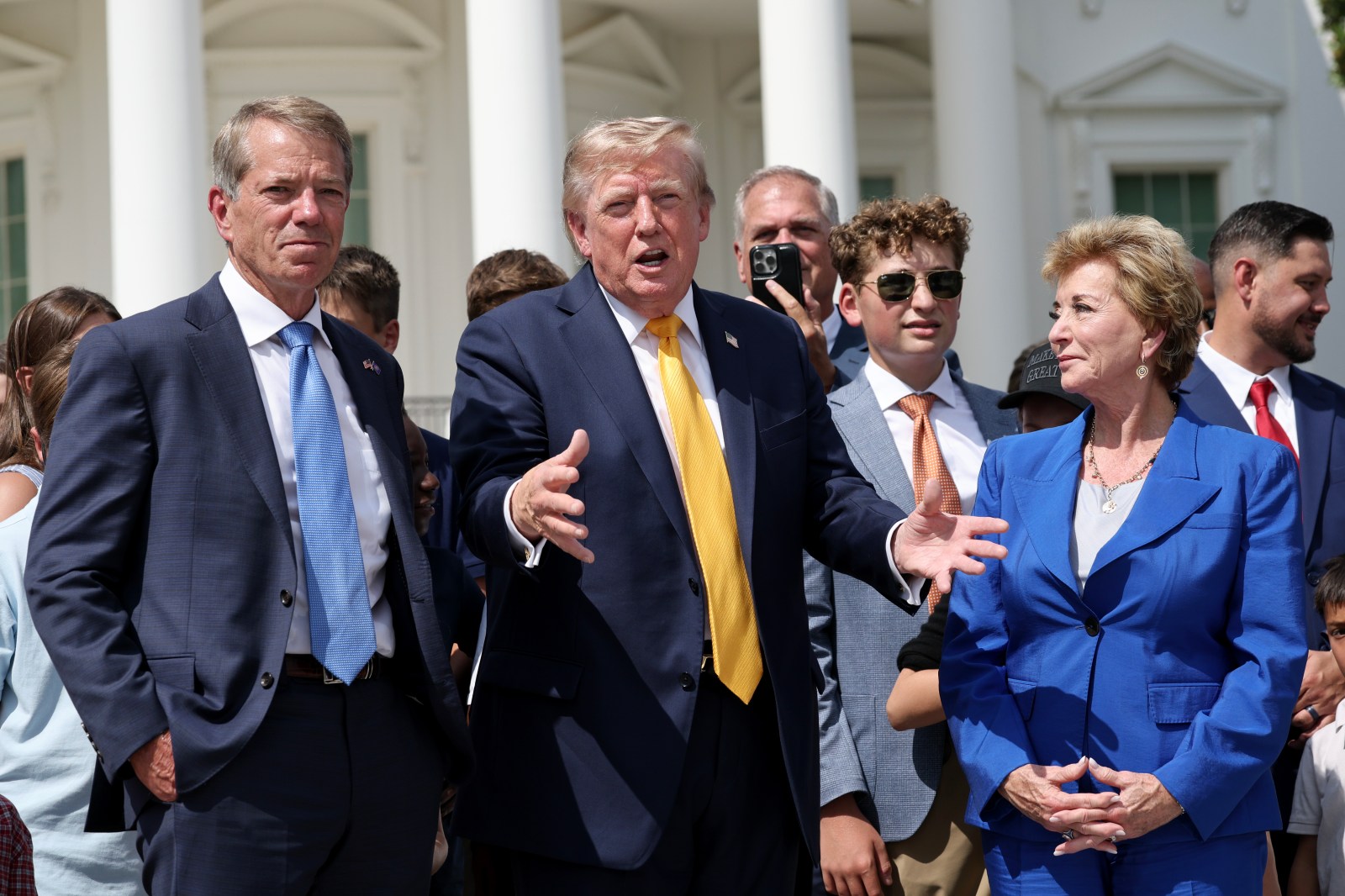
The recent midterm elections saw Democrats gain control of both chambers of Congress. This shift could breathe new life into stalled proposals regarding student loans. These initiatives include eliminating interest on federal loans and making it easier for borrowers to avoid default.
Challenges Ahead
Despite gaining control of Congress, Democrats face hurdles in reversing President Donald Trump’s student loan agenda. Trump remains president, meaning he has veto power over new legislation. His administration continues to manage the Department of Education. Still, the Democrats now have opportunities to push their proposals.
Finance expert Michael Ryan noted, “Democrats might challenge borrowing limits, expand Pell Grants, and revisit repayment protections. But widespread forgiveness remains unlikely with Trump controlling the Education Department. They can investigate, negotiate funding, and force votes, providing leverage but not changing monthly bills.”
Federal Policy Shifts
Republican efforts under the One Big Beautiful Bill Act reshaped federal student loan policy. Democratic control might redefine these conversations, even if they can’t reach their most ambitious goals due to Trump’s potential veto.
A Democratic Congress can advance bills, negotiate spending, and oversee the Education Department. However, legislation still requires either Trump’s signature or enough support to override a veto.
Key Proposals Under Consideration
Eliminating Student Loan Interest
The Student Loan Interest Elimination Act seeks to remove interest on federal student loans. Introduced by Representative Joe Courtney and Senator Peter Welch, this bill proposes an Education Affordability Trust Fund and changes federal student loan limits. It has remained in committee stages but could now advance in a Democratic-controlled Congress.
Lowering Interest Rates
Representative Mike Thompson introduced the Lowering Student Loans Act. This bill suggests setting federal student loan interest rates at 2 percent. It includes covering new loans disbursed after July 1, 2026, and lowering rates for existing loans above this percentage. While referred to committee, a Democratic majority makes consideration likely, though Trump’s approval or veto override is necessary.
Public Service Loan Forgiveness Access
A bipartisan initiative, the Public Service Loan Forgiveness Inclusion Act, proposed by Representative Bill Foster and former Representative Brian Fitzpatrick, aims to expand qualification for Public Service Loan Forgiveness. While broadening payment eligibility, it remains dependent on navigating political divisions.
Addressing Loan Delinquency
The SIMPLE Act, by Representative Suzanne Bonamici, focuses on delinquent borrowers. It proposes automatic enrollment in income-driven plans for those over 31 days delinquent, providing repayment notifications. While Trump’s agreement is uncertain, its focus on loan administration may allow room for negotiation.
The Future of Loan Forgiveness
Democrats’ victory might not mean broad forgiveness similar to the Biden administration’s attempted $10,000 cancellation program. However, proposals concerning interest, refinancing, and delinquency protection are in play.
CEO Kevin Thompson of 9i Capital Group remarked, “Expect efforts to reverse Trump’s orders, especially regarding repayment and forgiveness policies. Reforms could make loans more accessible and encourage school choice.”
Legislative Challenges
While controlling Congress helps Democrats influence policy, executive power still limits their reach. Trump’s potential vetoes imply that some negotiation with his administration and Republicans is necessary.
“The executive branch’s veto power requires significant support to pass reforms,” said Thompson. “Legislation may need a two-thirds majority to override vetoes, which Democrats currently lack.”
Upcoming Decisions
The current Congress remains active until year’s end. The new Congress assumes power in January, allowing Democrats to determine the focus on student loan proposals.
Thompson concludes, “Expect gridlock and concessions for meaningful legislation. After electoral losses, some moderate Republicans might support important bills for their constituents.”