Potential Cybersecurity Threats to Grocery Systems
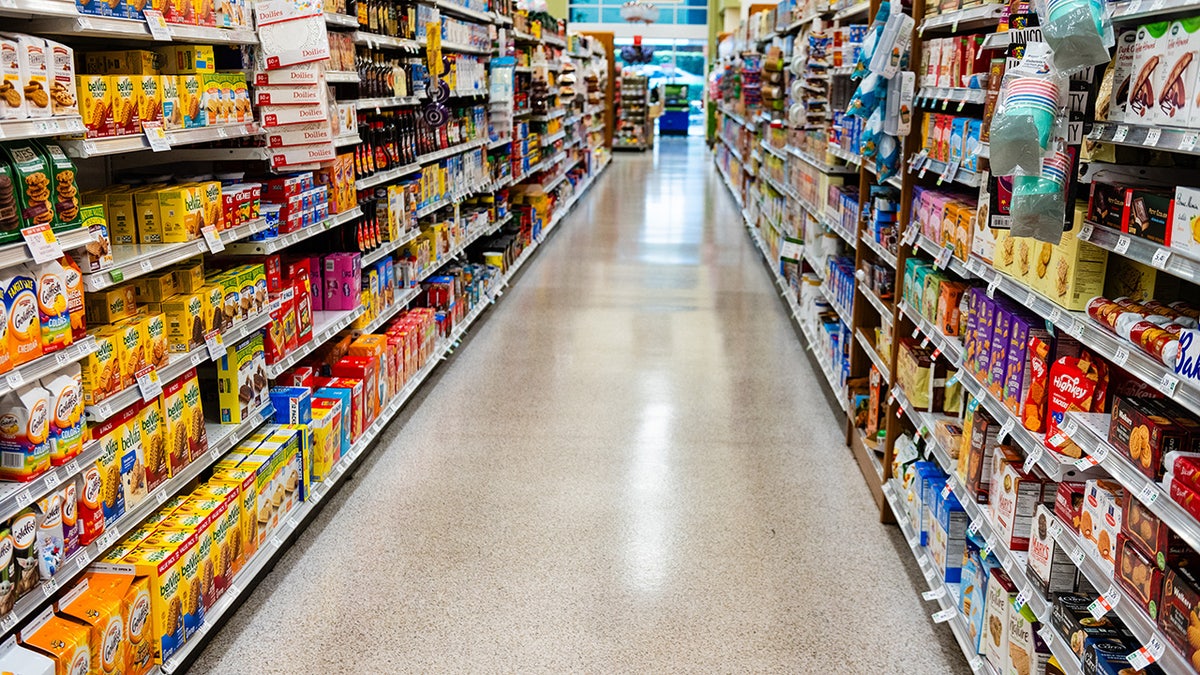
Former FBI Special Agent Nicole Parker cautioned that Americans might face future disruptions in grocery stores due to cyber threats. Recent incidents in Europe, where hackers reportedly increased supermarket freezer temperatures, have raised concerns about such possibilities.
Cyberattack Concerns for the U.S.
Parker emphasized that attacks on food supply systems could affect the United States. She told Fox News Digital, “Every human being has to eat.” Her remarks followed investigations by the Army Criminal Investigation Division’s Cyber Field Office into refrigeration failures at military commissaries in August. These inquiries involve the Defense Commissary Agency and the Defense Criminal Investigative Service. Investigators are also cooperating with French authorities to determine potential links between U.S. and European outages. Although cyberattacks haven’t been confirmed as the cause, the concern persists.
Military Base Commissary Incidents
In August, refrigeration problems affected several military base commissaries. Locations included Fort Huachuca in Arizona, where frozen food spoiled, as well as F.E. Warren Air Force Base in Wyoming, Naval Station Newport in Rhode Island, Columbus Air Force Base in Mississippi, and others in California. Some units had temperatures increased rather than being switched off, according to Reuters.
European Supermarket Disruptions
Recently, supermarkets in Europe experienced similar disruptions, forcing many retailers to discard food. Countries affected included Sweden, Belgium, and Luxembourg, with some refrigeration systems reaching 122 degrees Fahrenheit. Parker noted that these incidents highlight the threat of cyberattacks targeting critical infrastructure.
Implications and Preparations
Parker offered a broader perspective, describing this threat as a form of “asymmetrical warfare” with serious psychological implications. She explained, “An attacker can disrupt daily life without firing a missile or deploying troops.” While the perpetrator of the European incidents remains unknown, Parker stressed the importance of community preparedness.
Parker advocated for coordinated efforts beyond law enforcement, urging city officials and leaders to develop strategies for community resilience. She recommended families keep essential supplies ready, such as food, water, medication, important documents, and a battery-operated AM radio for emergencies.
Parker drew parallels between these preparations and those for natural disasters, stating, “The preparation would be very much the same” as for hurricanes in her Florida community.