The Aftermath of the Republican Defeat and Future Political Strategies
The recent election results have exposed the fractured state of Republican political fortunes. Observations indicate that Democrats intend to capitalize on their victories by exerting pressure on the Republicans.
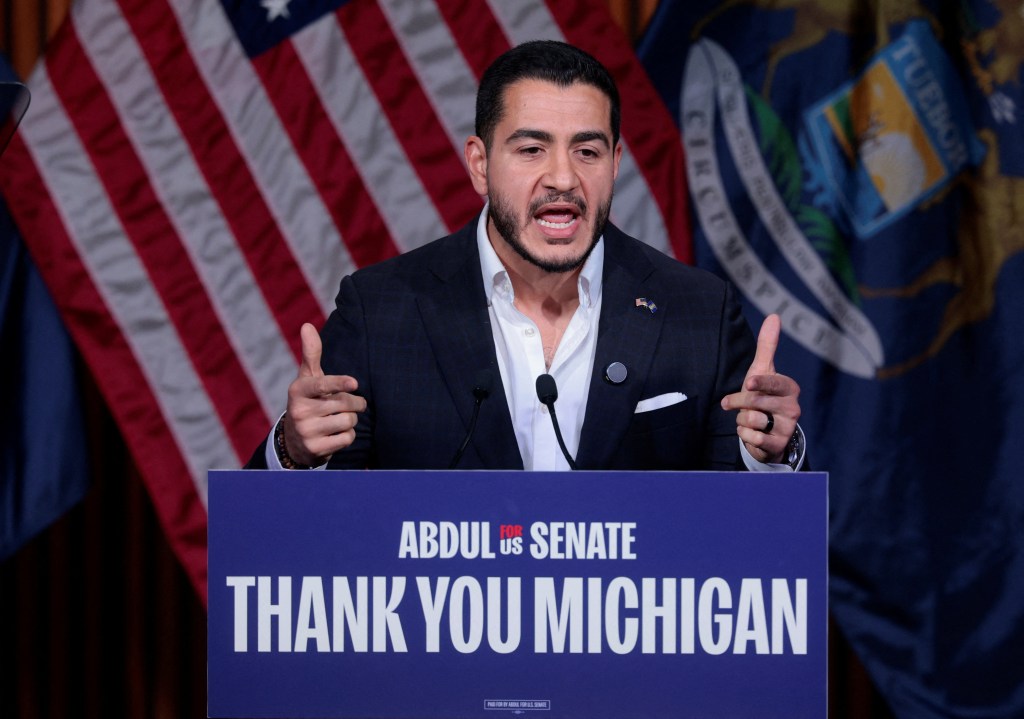
Democratic leaders used their win to push back against their opponents. Michigan’s Senator-elect Abdul El-Sayed made a point during his victory speech by referring to Vice President JD Vance as someone who would face humility at the swearing-in ceremony. In Minnesota, Sen.-elect Peggy Flanagan vocally targeted Immigration and Customs Enforcement (ICE), and Representative Jamie Raskin from Maryland showed eagerness to pursue impeachment actions.
New York University professor Scott Galloway harshly criticized Elon Musk, labeling him a ‘traitor to the West’ and reminiscently suggesting execution by referencing historical instances, highlighting the hostility aimed at billionaires.
One consequence of what many see as Democratic overconfidence is potential political overreach. Such actions risk alienating an unstable electorate before the approaching 2028 elections. Incoming House Speaker Hakeem Jeffries must focus on managing the emerging socialist-aligned newcomers within the party.
During the campaign, internal conflicts within the Democratic Party were downplayed, except for an incident involving Haley Stevens in Michigan. Her claims regarding antisemitism against El-Sayed were met with severe backlash from the party, serving as a warning to Democrats who might challenge the current progressive surge.
On the Republican side, President Trump cannot shy away from accountability. The electorate viewed the results as a verdict on his leadership and style. Despite his call to voters to act as if he were on the ballot, the feedback was clear with only 38% approval ratings, with many citing economic woes and criticism of the Iran conflict.
For some Republicans, the Iran war and immigration were central issues. Former Speaker Newt Gingrich identified gas prices as the deciding factor in the election. He predicted that gas price levels on Labor Day would directly influence election outcomes. In fact, gas stood at an average of $4.55 per gallon, resulting in widespread dissatisfaction.
Senator-elect Troy Jackson in Maine emphasized these talking points in his campaign, successfully identifying them in exit polls: cost of living, gas prices, immigration enforcement, perceived corruption, and the war’s impact. He linked the dramatic rise in fuel costs directly to the administration’s decisions.
Across the campaigns, Democrats pushed a corruption narrative against the Trump administration, highlighting various allegations against Trump’s circle. These stories painted a picture that Democrats skillfully used to their advantage.
President Trump now faces a pivotal moment. By ending involvement in the Iran conflict and focusing on economic recovery, he has the opportunity to change his trajectory. Presidents like Obama and Clinton recovered from losing Congress in midterms and subsequently proved successful through executive actions. Trump may similarly aim for economic recovery and gas prices reduction.
As signaling for future presidential candidacies begins, the steps taken now could shape the Republican party’s prospects for 2028.