Democrats Gain Senate Majority, Impacting Trump’s Supreme Court Nominee Prospects
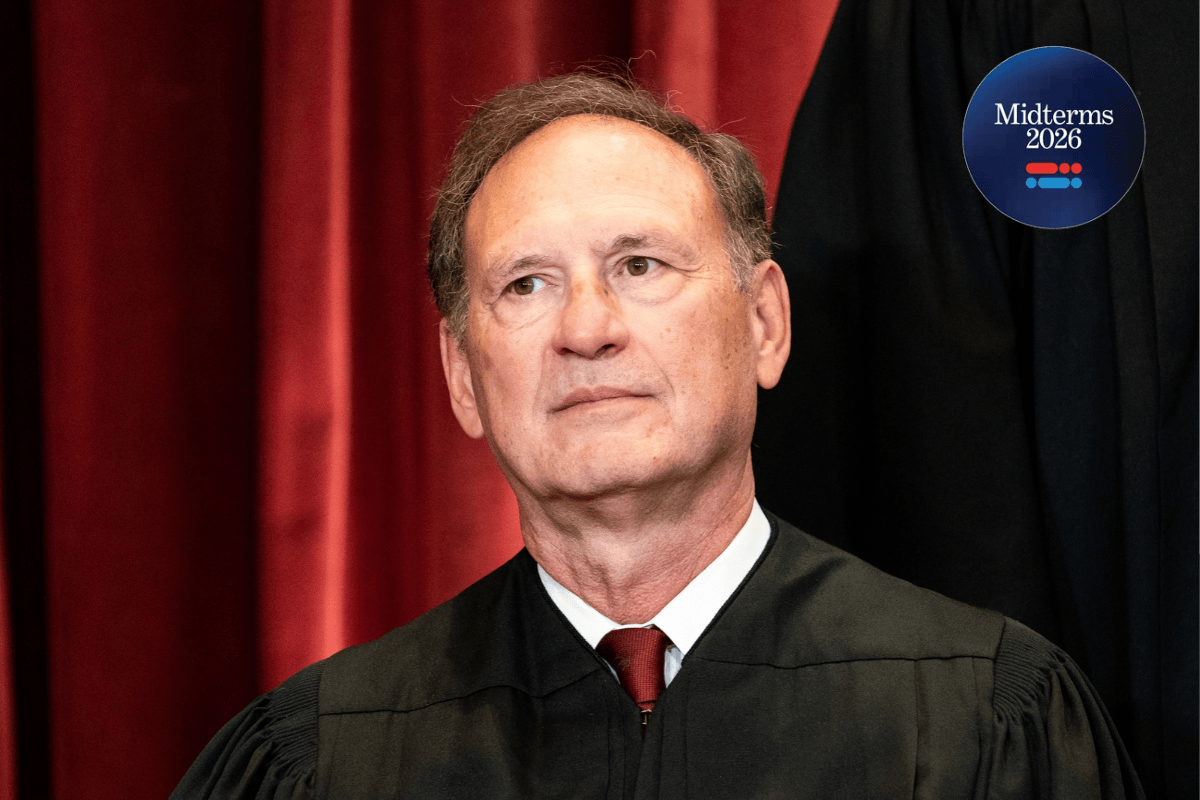
President Donald Trump may face challenges appointing another Supreme Court nominee as the Democrats have secured a Senate majority. Legal experts say this could block any of Trump’s appointees during the latter half of his term. Democrats are projected to gain at least seven Senate seats after recent midterms, with Alaska and Mississippi races still undecided.
A Democratic Senate could prevent Trump from appointing a Supreme Court justice if a vacancy arises in the next two years. Senate confirmation is required for any appointee, and Democrats now have the votes to block Trump’s choices. Historically, justices were confirmed with bipartisan support, but the process has grown more partisan. This shift began notably with the 2016 refusal to confirm Merrick Garland, appointed by Barack Obama following Justice Antonin Scalia’s death. Republicans stalled the nomination hoping for a change in presidency, leading to Trump’s appointment of Justice Neil Gorsuch in 2017.
In 2020, the confirmation of Justice Amy Coney Barrett, following Justice Ruth Bader Ginsburg’s death, spurred further partisan conflict. Despite Democratic pushback referencing the 2016 precedent, Republicans moved forward with her confirmation ahead of the election.
Some Republicans had hoped for retirements from older conservative justices like Samuel Alito or Clarence Thomas pre-midterms to secure a younger, long-serving replacement. With no retirements, and new Democratic Senate control, Trump’s chances for another appointee are diminished.
Democrat Block on Trump Nominees
Democrats will hold at least 54 Senate seats as of January. Northeastern University law professor Daniel Urman believes Democrats are likely to block any Trump nominee. If a seat opens, they could refuse hearings for Trump’s nominee, potentially leading to a split 4-4 Court on some cases, maintaining lower court decisions. This scenario encourages finding common ground among justices, as after Scalia’s death.
Urman sees a slim possibility for Trump negotiating a moderate nominee, doubting its likelihood due to Trump’s past frustrations with his appointees. Urman suggests Trump favors justices loyal to his policies. Republican concerns over Supreme Court influence were voiced by Florida Governor Ron DeSantis, warning no appointee would pass without Senate changes in six weeks.
Potential Retirement of Alito
Any retirement by year’s end could allow Republicans to confirm a nominee, said Paul Collins, a legal studies and political science professor. He noted the shrinking opportunity. Although a lame-duck retirement for political reasons is unprecedented, Alito or Thomas could be candidates due to their conservative ties and anticipated ideological shifts under a Democratic president.
Former Palm Beach County state attorney Dave Aronberg suggests Republicans might encourage Alito’s retirement during the lame-duck session, though a hasty decision is unlikely. Should Democrats take the Senate, Trump’s chances of confirming another justice drop significantly. Urman warned a rushed retirement to ensure a Trump nominee could further harm the Court’s standing.
Speculation about Alito’s retirement was addressed by Alito himself, expressing bemusement in a recent interview and indicating no planned retirement. Senate Majority Leader John Thune had previously commented on the potential for confirming a justice during the lame-duck session, a possibility soon threatened by the reduction of Republican seats as new members are sworn in.
Collins highlighted the risks of a pre-new Senate retirement, suggesting Democrats may push Supreme Court reform, including Court expansion and term limits as responses to a perceived partisan appointment by Trump.
Clarence Thomas and Republican Appointment Concerns
Clarence Thomas, a long-serving conservative justice, may consider his legacy and ideological court balance. Collins speculates Thomas might weigh his tenure against a Democratic president’s potential to name his successor. Wermiel doubts Thomas will retire soon, particularly before setting the record for longest Supreme Court service in 2028.
Democratic Senate’s Impact on Supreme Court
The Democratic Senate could consider Supreme Court reforms, though President Trump is expected to veto such measures. Public support for the Court stands low, with proposals for justice term limits and ethics codes gaining interest. Wermiel believes reform efforts may stall without bipartisan support due to the president’s veto power.
Polling indicates trust in the Supreme Court remains near historic lows, with only 34 percent approval in a recent Gallup poll. This represents a slight rebound from a July record low.
Contact Newsweek editors on this story: Jason Lemon and Gray R. Thomas